Uber Teams Up with Pony AI to Launch Self-Driving Taxis in Middle East Pilot Program

Uber announced on Tuesday a new partnership with China-based autonomous driving company Pony AI, marking its latest move to expand into the robotaxi market. The collaboration will begin with a pilot launch in a key Middle Eastern market later this year, with plans for further international rollout.

During the pilot phase, Pony AI vehicles will operate with onboard safety drivers, with the goal of transitioning to fully autonomous commercial service as regulatory and technical milestones are met.

The deal is part of Uber’s growing portfolio of partnerships aimed at strengthening its foothold in self-driving mobility, as it competes with rivals like Lyft and Tesla. In recent weeks, Uber also announced collaborations with May Mobility and Momenta, and expanded its strategic alliances with WeRide and Alphabet’s Waymo.

Pony AI shares rose nearly 13% in premarket trading following the news, while Uber shares dipped slightly by 1%. Pony AI, which went public on Nasdaq in November, is backed by Toyota and has active robotaxi licenses in major Chinese cities including Beijing, Shanghai, Guangzhou, and Shenzhen. The company is also exploring expansions into South Korea, Luxembourg, Hong Kong, and other international markets.

As the U.S. government continues to ease certain regulatory barriers for self-driving vehicles—while requiring incident reporting—companies like Uber and Pony AI are accelerating efforts toward large-scale robotaxi deployment.
Treasury’s Bessent Says $2 Billion Cut from IRS Tech Budget Without Operational Disruptions

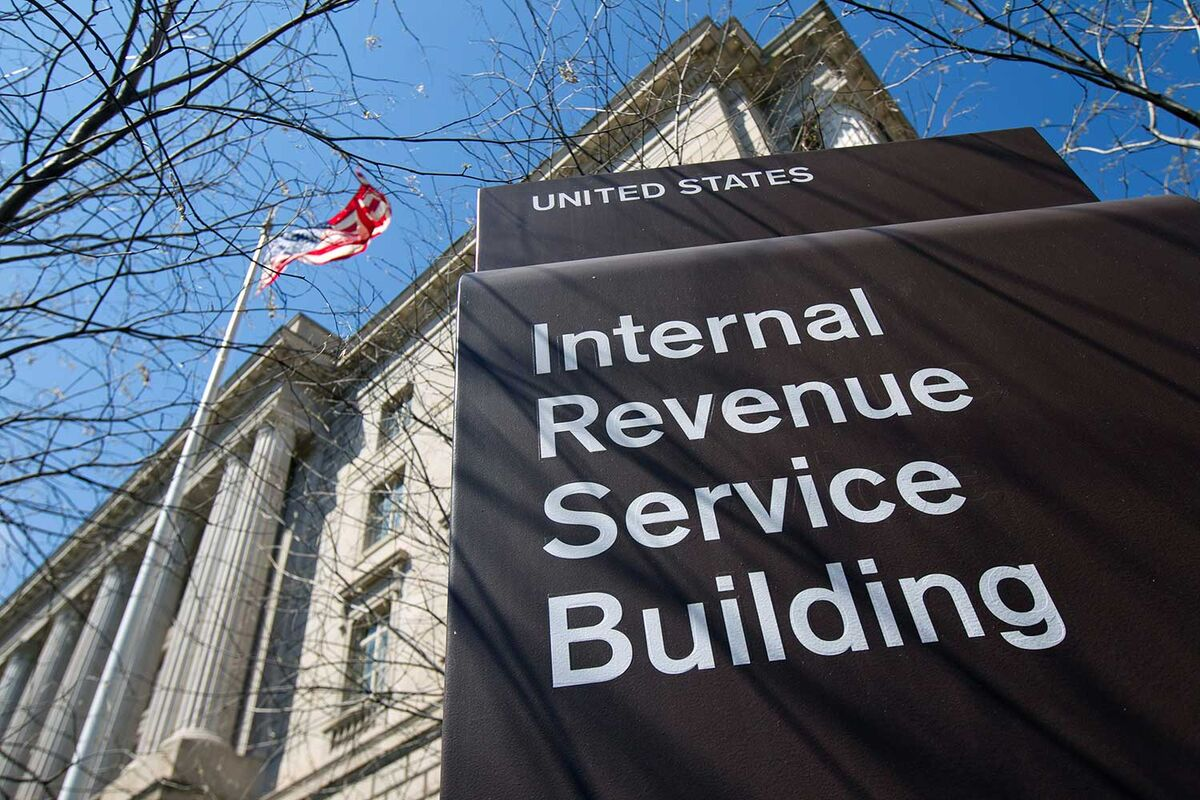
U.S. Treasury Secretary Scott Bessent told lawmakers Tuesday that the Trump administration has already cut $2 billion from the IRS information technology budget without disrupting operations and plans to save hundreds of millions more through automation and efficiency reforms.

Speaking before a House Appropriations subcommittee, Bessent revealed that the IRS had been spending approximately $450 million annually on processing paper forms, with around 6,500 full-time staff dedicated to the task. By introducing policy changes and automating manual workflows, the Treasury aims to reduce that expense to under $20 million by the end of President Trump’s second term.

The savings so far have been achieved by eliminating unused software licenses, renegotiating contracts, and cutting what Bessent called “wasteful” IT and professional services deals. He projected long-term savings of hundreds of millions of dollars annually in IRS operations.

Bessent also defended the proposed $2.5 billion budget cut for the IRS in the fiscal 2026 White House budget, calling its current tech budget “bloated” due to the Biden-era Inflation Reduction Act, which had allocated $80 billion to enhance IRS IT and tax enforcement. That funding has since been halved by Republican-backed budget rollbacks.

Responding to Democratic concerns that budget cuts could weaken tax enforcement, Bessent said the IRS can maintain strong collections by leveraging AI tools and smarter IT infrastructure, noting that collections remain robust and that training personnel for high-end audits takes years.

He also touched on the looming U.S. debt ceiling, refusing to predict when Treasury would exhaust its borrowing authority but warning that the government is on the warning track”close to the limit. Bessent assured lawmakers that no gimmicks would be used to avert default and that Congress would ultimately need to raise or suspend the limit.

Bessent echoed former Treasury Secretary Janet Yellen’s stance on monitoring debt-to-GDP ratio rather than the raw debt number, and said the administration aims to both control debt levels and boost economic growth.

On a lighter note, Bessent also said the Treasury is examining ways to reduce the cost of minting nickel coins, noting: “I believe the dime is profitable.”

U.S. Seeks Breakup of Google’s Ad-Tech Business After Judge Finds Illegal Monopoly

The U.S. Department of Justice (DOJ) is pushing to break up Google’s advertising technology empire, proposing that the tech giant be forced to sell its AdX ad exchange and DFP publisher ad-server platform following a federal judge’s ruling that Google illegally monopolized the online ad-tech market.

In a court filing late Monday, the DOJ stated that such divestitures are essential to restore fair competition in the ad-exchange and publisher ad-serving sectors, where Google — a subsidiary of Alphabet Inc. — has long held dominant positions.

U.S. District Judge Leonie Brinkema ruled last month that Google had willfully acquired and maintained monopoly power” in both markets. The case marks another major legal setback for Google, coming after a separate ruling last year found the company guilty of maintaining an illegal monopoly in online search.

A September trial date has been scheduled to determine final remedies. While Google has said it is open to behavioral changes, such as giving competitors access to real-time bidding data, the company opposes any forced divestitures, arguing such a move lacks legal standing and would hurt advertisers and publishers alike.

This goes well beyond the Court’s findings,” said Lee-Anne Mulholland, Google’s VP of Regulatory Affairs. “It would harm publishers and advertisers, and has no basis in law.”

AdX (Ad Exchange) is Google’s real-time ad marketplace, while DFP (DoubleClick for Publishers) is used to manage and deliver ads on websites. Together, they are key tools that allow digital publishers to monetize their content, and their dominance has drawn increasing antitrust scrutiny.

In Europe, Google previously offered to sell AdX to settle an EU investigation, but publishers rejected the offer, calling it inadequate.

Alphabet’s shares fell 1.1% in premarket trading on Tuesday following the DOJ’s filing.