Lyrid Meteor Shower 2025 Set to Illuminate the Night Sky: Here’s When to Catch the Show

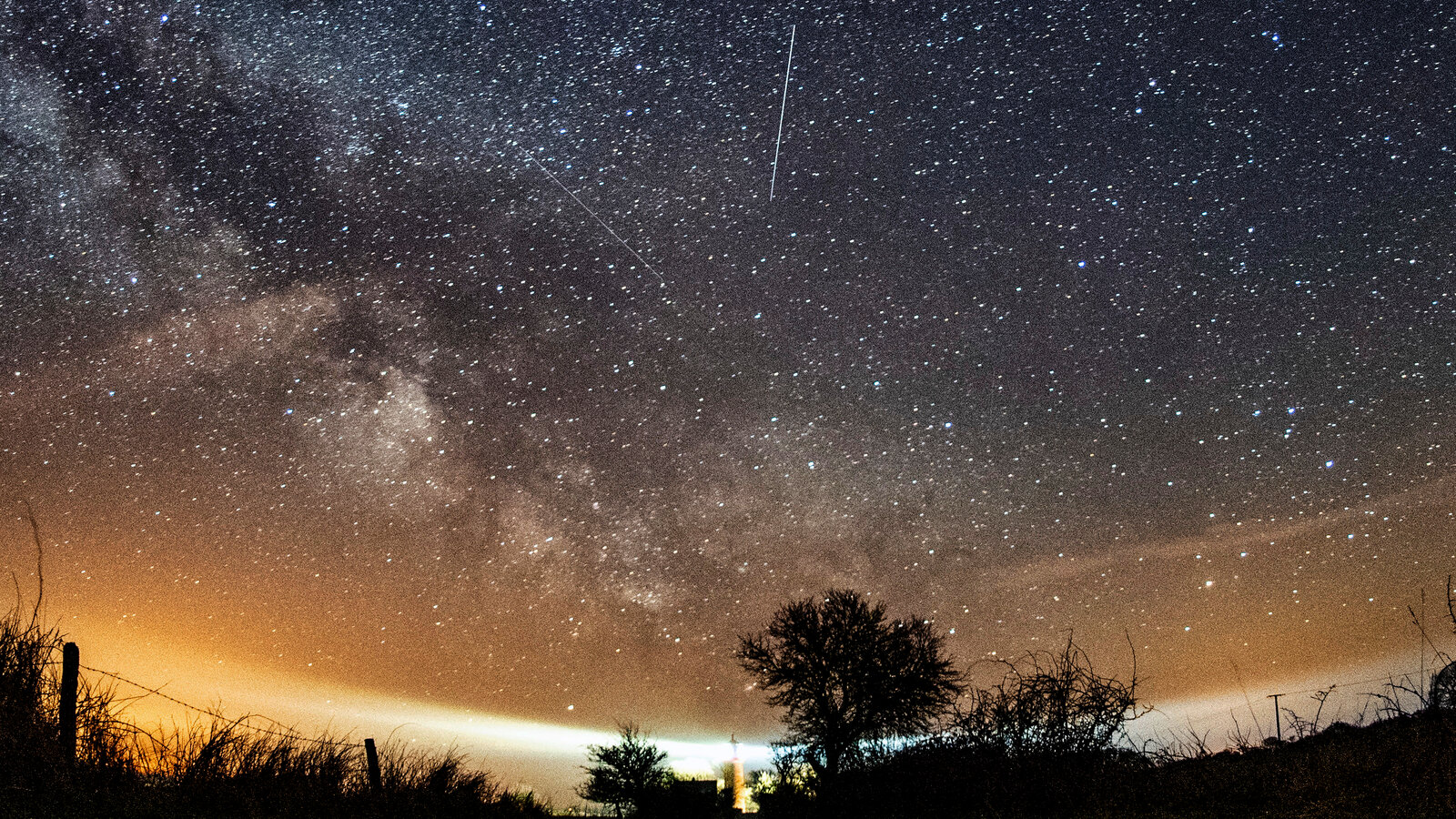
The highly anticipated Lyrid meteor shower is almost here, and skywatchers are in for a spectacular show. Every year, the Lyrids light up the night sky with their fast-moving meteors, which radiate from the Lyra constellation, close to the bright star Vega. These meteors streak across the sky at impressive speeds, and the best part is that you don’t need a telescope to enjoy the show—simply step outside, and the meteors are visible to the naked eye. This is one of the oldest meteor showers on record, having been documented for over 2,700 years, and it’s expected to deliver bursts of up to 100 meteors per hour.

So, what causes these dazzling meteors? The Lyrids are formed from the debris left behind by Comet Thatcher (C/1861 G1), which orbits the Sun every 415 years. As Earth passes through this dust trail, the particles enter our atmosphere at high speeds, creating the brilliant streaks we see as meteors. While the Lyrids aren’t known for being the brightest meteor shower of the year, they still offer a breathtaking spectacle for those who take the time to watch.

The Lyrids will be visible between April 15 and April 29, but the peak of the meteor shower is expected on the morning of April 22. The best time to observe the meteors will be between 3:00 a.m. and 5:00 a.m., just before the break of dawn when the sky is darkest. For the optimal viewing experience, escape the city’s bright lights and head to a rural area, such as a park, mountain, or coastal trail. Not only will the view be much clearer, but the experience will also be more serene and awe-inspiring.

To make the most of your meteor-watching experience, give your eyes at least half an hour to adjust to the darkness. It’s also helpful to use red light to preserve your night vision. If you’re planning to head out, be sure to inform someone about your whereabouts for safety. And if you can, bring friends along to share in the excitement. With a little preparation, you’ll be ready to witness one of nature’s most magical events.

Nubia Unveils Launch Date, Design, and Color Options for Z70S Ultra Photographer Edition

Nubia has officially confirmed the launch of its highly anticipated Z70S Ultra Photographer Edition, set to debut later this month. The Chinese smartphone maker shared details about the upcoming handset, which will come in two distinct colorways and a unique design. The Z70S Ultra Photographer Edition will feature a vegan leather back panel, designed to evoke the look and feel of a professional camera. This variant is expected to offer similar specifications to the Nubia Z70S Ultra, which launched in November 2024, including a Snapdragon 8 Elite chipset, a large 6.85-inch OLED display, and a robust 6,150mAh battery.

In a recent post on the popular Chinese platform Weibo, Nubia revealed that the Z70S Ultra Photographer Edition will be officially launched in China on April 28. New images of the device have also surfaced, showcasing its dual-tone color options—black and light brown—adding to its premium, camera-inspired aesthetic. The rear panel houses a triple camera setup, with a notable inclusion of a telephoto lens, a signature feature of the Z70S Ultra series. Notably, the primary camera will feature a 35mm lens, elevating its photography capabilities even further.

While full specifications for the Photographer Edition remain under wraps, it’s anticipated that the handset will mirror the Z70S Ultra in many respects. The original Z70S Ultra, launched in late 2024, came with an impressive 6.85-inch OLED screen, boasting a 144Hz refresh rate and an impressive peak brightness of 2,000 nits. It is powered by the Snapdragon 8 Elite chipset and comes with up to 24GB of LPDDR5x RAM and up to 1TB of fast UFS 4.0 Pro storage, ensuring top-tier performance.

The Z70S Ultra series is also known for its exceptional camera setup. The main rear camera is a 50-megapixel sensor with a variable aperture (f/1.59 – f/4.0), complemented by a 50-megapixel ultrawide camera and a 64-megapixel periscope telephoto lens for enhanced zoom capabilities. Additionally, the phone features an under-display selfie camera, further cementing its place as a top choice for mobile photography enthusiasts.

NASA Partners with Joby Aviation to Analyze Wind Impacts and Enhance Aircraft Tracking

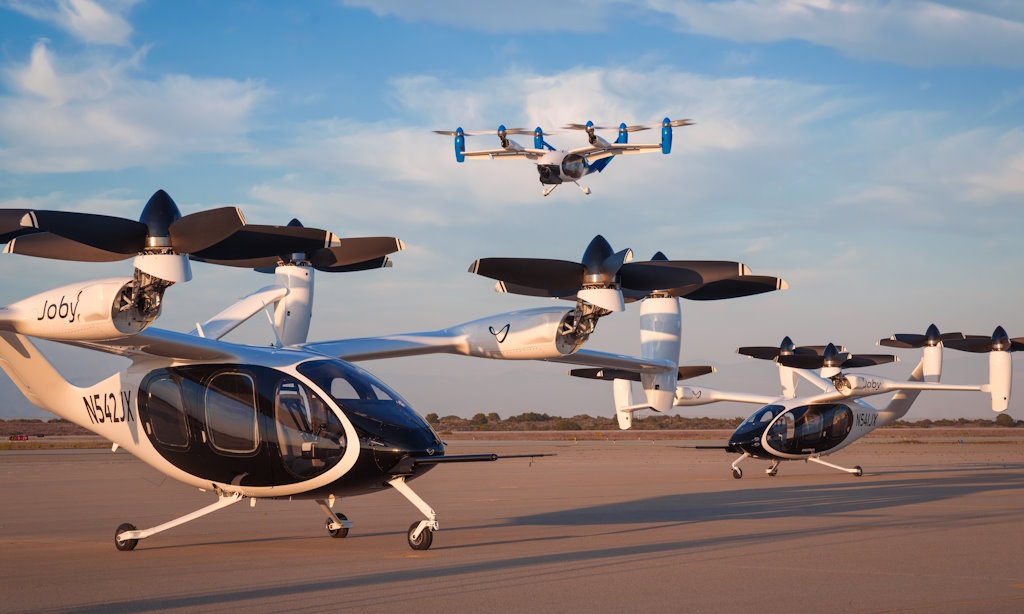
In March, NASA engineers launched a new data-gathering campaign aimed at improving the safety and performance of emerging air taxi technology. Using a network of advanced ground sensors, the team monitored an experimental Joby Aviation aircraft as it flew over terrain near NASA’s Armstrong Flight Research Center in Edwards, California. The campaign focused on analyzing how air taxis behave in varied weather conditions, particularly in urban environments. The collected data will help refine collision avoidance systems, landing protocols, and overall air taxi operations in real-world scenarios.

The collaboration centers around the Joby Aviation demonstrator, an electric vertical takeoff and landing (eVTOL) aircraft equipped with six rotors that enable both vertical lift and efficient forward flight. Traditionally, NASA has studied how environmental wind patterns influenced aircraft near the ground, especially in areas with uneven terrain. However, in this test, the wind in question is being generated by the aircraft itself—specifically, the turbulent circular airflow created by its propellers during takeoff and landing.

This turbulent airflow, especially during low-altitude operations, can affect not just the aircraft’s stability but also nearby vehicles and people on the ground. To analyze these effects in detail, NASA has enhanced its sensor systems by integrating a newly developed lidar unit capable of detecting fine-scale wind disturbances. According to Grady Koch, the project lead from NASA’s Langley Research Center, the pairing of Joby’s aircraft design with NASA’s lidar technology offers an unprecedented look at how wind and turbulence may influence the safety and efficiency of next-generation flight.

To further support this initiative, NASA has deployed a second sensor array featuring radar, cameras, and acoustic sensors. This setup is designed to collect detailed tracking and environmental data during repeated routine flights over the coming months. By combining airflow analysis with high-resolution tracking, NASA aims to build a comprehensive picture of how eVTOL aircraft interact with their environment—ultimately paving the way for safe and scalable urban air mobility solutions.