NASA Explores Crystal Growth in Space to Unlock Future Technological Advances

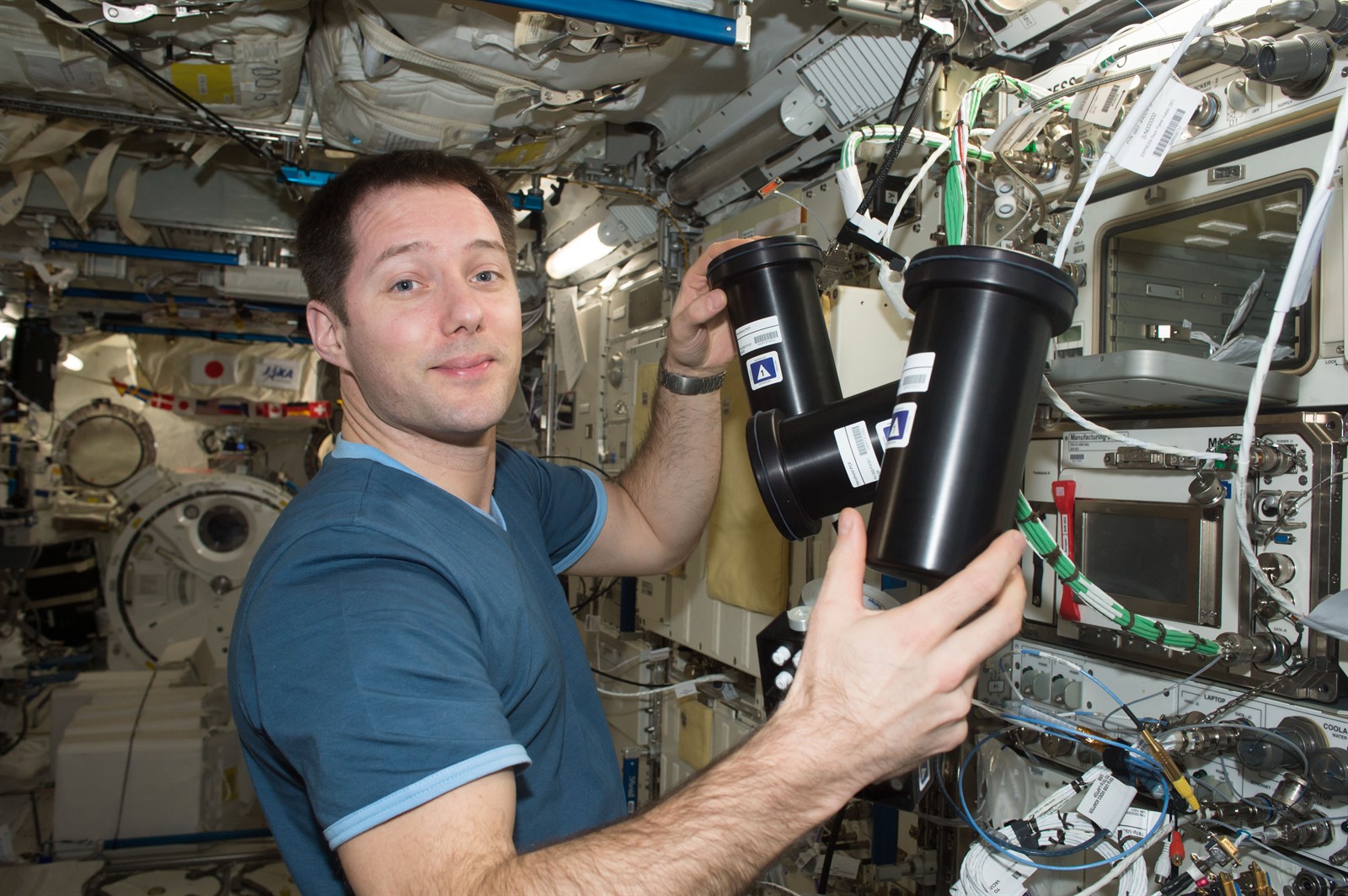
NASA scientists have long been fascinated by the process of crystallisation and its potential to improve technologies here on Earth. Most recently, researchers have turned their attention to how crystals form in microgravity aboard the International Space Station (ISS). A team led by Alexandra Ros from Arizona State University launched a series of protein crystallisation experiments using specially designed microfluidic devices. These experiments aim to evaluate whether the low-gravity environment of space enables the formation of higher-quality protein crystals compared to those grown under Earth’s gravity. If successful, this could revolutionize how we approach drug development, materials science, and more.

Crystallisation is the process through which liquid or molten materials cool and solidify into highly ordered structures known as crystals. These formations aren’t limited to gemstones or snowflakes—they are an essential part of modern life. From natural minerals to complex synthetic compounds, crystals can form from a variety of substances and serve diverse purposes across industries. Understanding how to control and optimize crystallisation can lead to better materials and more precise scientific tools.

Everyday items owe their functionality to crystals. Whether it’s the ceramic in your coffee mug, the silicon in your smartphone, or the memory chips that store your data, crystallisation plays a central role in shaping their components. Semiconductor crystals are critical for detecting radiation such as gamma and infrared rays, and optical crystals power laser technologies used in everything from barcode scanners to medical instruments. Even the durable turbine blades in jet engines rely on metal crystals designed for high strength and heat resistance.

The implications of space-based crystal research are profound. If space-grown crystals can achieve superior structure and purity, scientists could gain new insights into diseases, develop more effective medications, and engineer advanced materials with exceptional precision. As NASA and its research partners continue to explore these possibilities, microgravity experiments may become a cornerstone in developing next-generation technologies—both in orbit and back on Earth.

Intel CEO Lip-Bu Tan Restructures Leadership, Appoints New Head of AI, Internal Memo Reveals

Intel’s newly appointed CEO, Lip-Bu Tan, is initiating a significant leadership shakeup aimed at streamlining operations and strengthening the company’s engineering focus. In a recent internal memo obtained by Reuters, Tan revealed that several of Intel’s core chip divisions will now report directly to him, flattening the organizational structure in a move designed to bring greater agility and responsiveness to the semiconductor giant.

Among the key changes, Sachin Katti—formerly head of Intel’s networking chip division—has been promoted to serve as both Chief Technology Officer and head of Artificial Intelligence. This dual role signals the growing importance of AI in Intel’s strategic roadmap, as the company seeks to reassert its position in a highly competitive global market. The data center and AI chip group, along with the personal computing chip group, are now under Tan’s direct supervision, bypassing previous layers of management.

These leadership adjustments mark the first major strategic shift since Tan took the helm last month. They reflect a hands-on approach to reforming Intel after years of stagnation and missed opportunities in advanced chip manufacturing. Michelle Johnston Holthaus, who previously oversaw the groups now reporting to Tan, remains a key figure as CEO of Intel Products. Her responsibilities will be expanded into new areas as part of a broader reorganization still in development.

“I want to roll up my sleeves with the engineering and product teams so I can learn what’s needed to strengthen our solutions,” Tan wrote in the memo. His remarks underline a more engaged leadership style, with a clear emphasis on execution and product innovation. The restructuring also comes as Intel continues to face challenges from competitors and grapples with maintaining its technological edge. Tan’s early moves suggest a decisive effort to simplify operations and refocus the company on its engineering roots.

Student’s Accidental Discovery of Shape-Shifting Liquid Sparks Rethink of Thermodynamic Principles

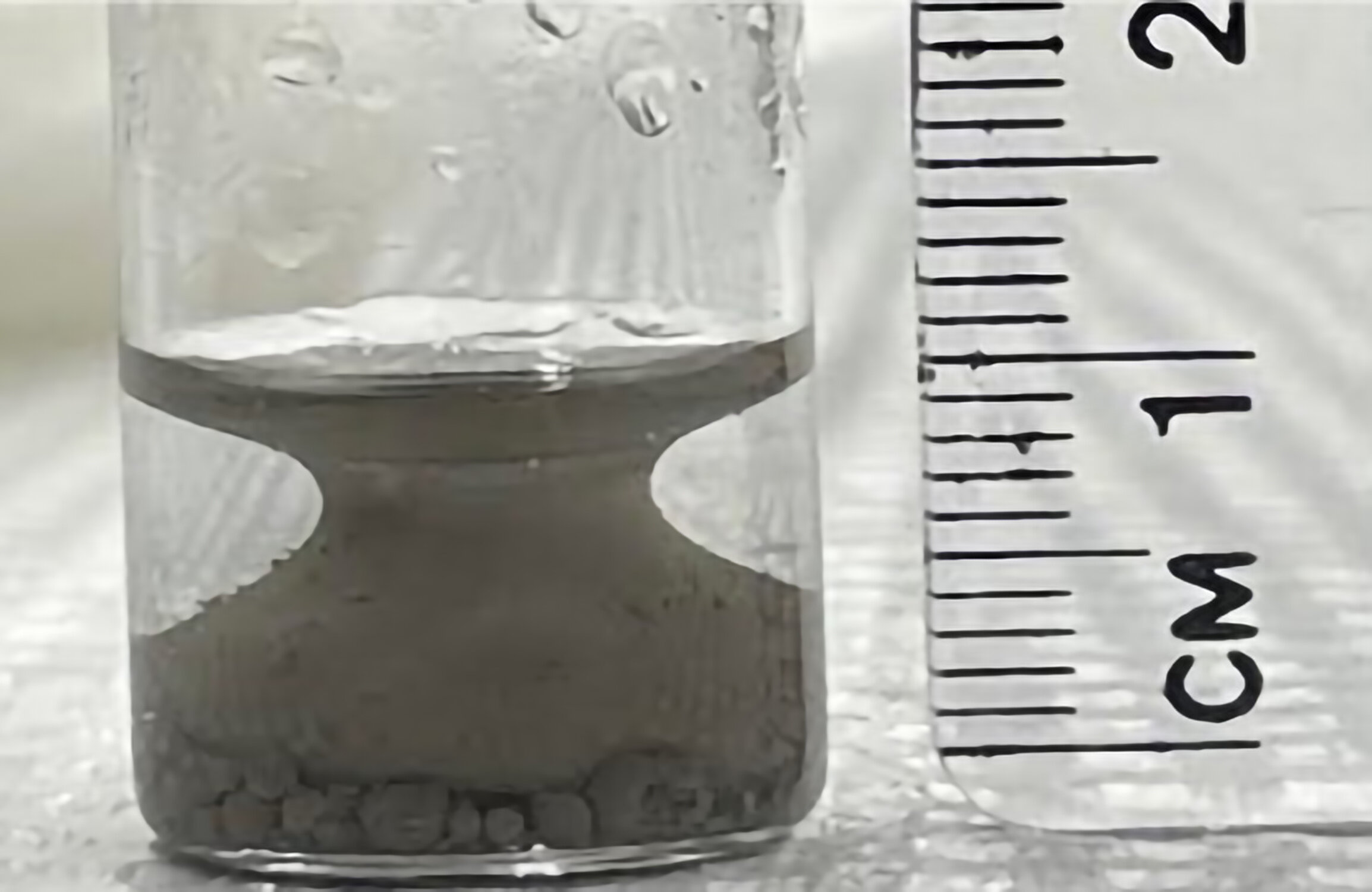
A surprising breakthrough in fluid dynamics has emerged from an accidental experiment conducted by a graduate student at the University of Massachusetts Amherst. While working on an unrelated project, Anthony Raykh, a student of polymer science and engineering, unintentionally created a shape-recovering liquid by mixing oil, water, and nickel particles. What should have been an unstable emulsion instead stabilized into a persistent and unexpected form—one resembling a Grecian urn. The phenomenon defied conventional expectations and was detailed in a study published April 4 in Nature Physics.

The discovery took place when Raykh shook a vial containing the mixture, expecting it to either separate or form spherical droplets, as dictated by established thermodynamic behavior. But instead of dispersing or coalescing into spheres, the emulsion repeatedly returned to the same ornate, vase-like shape—even after multiple disturbances. Professor Thomas Russell, who supervised the work, remarked that such behavior is highly unusual. In traditional emulsions, different liquids like oil and water do not mix and tend to revert to equilibrium states with minimal surface interaction, not form elaborate, self-recovering structures.

This persistence of shape directly challenges a key concept of thermodynamics: the tendency of systems to minimize interfacial energy. Typically, emulsions form spherical droplets to reduce the contact area between immiscible liquids, a process governed by the second law of thermodynamics. The Grecian urn shape, with its larger surface area, contradicts that principle. This anomaly has sparked scientific intrigue, as it suggests that under certain conditions, complex shapes can emerge and stabilize even when they appear thermodynamically unfavorable.

Researchers are now exploring whether this behavior can be replicated and controlled for practical purposes. The implications could be wide-ranging—from developing new smart fluids and programmable materials to revisiting the theoretical limits of self-assembly and equilibrium in soft matter physics. For now, what began as an unintentional mishap may be opening a new frontier in our understanding of the fundamental laws that govern matter and energy.