
Gemini Advanced and NotebookLM Plus Now Free for Students Through 2026, with 2TB Cloud Storage Included

Gemini Advanced, the AI service bundled with the Google One AI Premium plan, is now available for free to U.S. college students for a full year. As part of a special promotion, students can claim 15 months of free access to Gemini Advanced. This move comes as Google looks to compete with OpenAI’s recent initiative to offer two months of ChatGPT Plus for students in the U.S. Along with Gemini Advanced, students will also gain access to 2TB of cloud storage for Google products on their personal accounts, alongside other Gemini AI features.

The offer is currently limited to students in the U.S. who are enrolled in college. According to details shared on the Google Gemini website, students can claim the promotion until June 30. This offer allows them to experience a wide array of AI tools without the usual cost. If a student has already subscribed to the Google One AI Premium plan, they will need to cancel their subscription and wait until the next billing cycle to claim the offer. For students interested in claiming the benefits, they must use an email address ending in “.edu,” which is provided to students by U.S. colleges to verify eligibility.

Once students claim the offer, they will receive access to Gemini Advanced (featuring Gemini 2.5 Pro), Notebook LM Plus (for research), Whisk (for image and animation generation), and Veo 2 (for video generation). In addition to these AI tools, students will also be able to use Gemini’s features across Google Workspace apps, enhancing productivity and creativity in their academic work.

The promotion includes a generous 2TB of cloud storage, which will be activated on a student’s personal Google account once they sign up and verify their eligibility. These benefits will remain available to students until “spring 2026,” giving them several years of access to cutting-edge AI tools and ample storage for their academic needs.
Hydrogen Gas Cloud Could Hold Key to Unraveling the Mystery of Missing Non-Dark Matter in the Universe

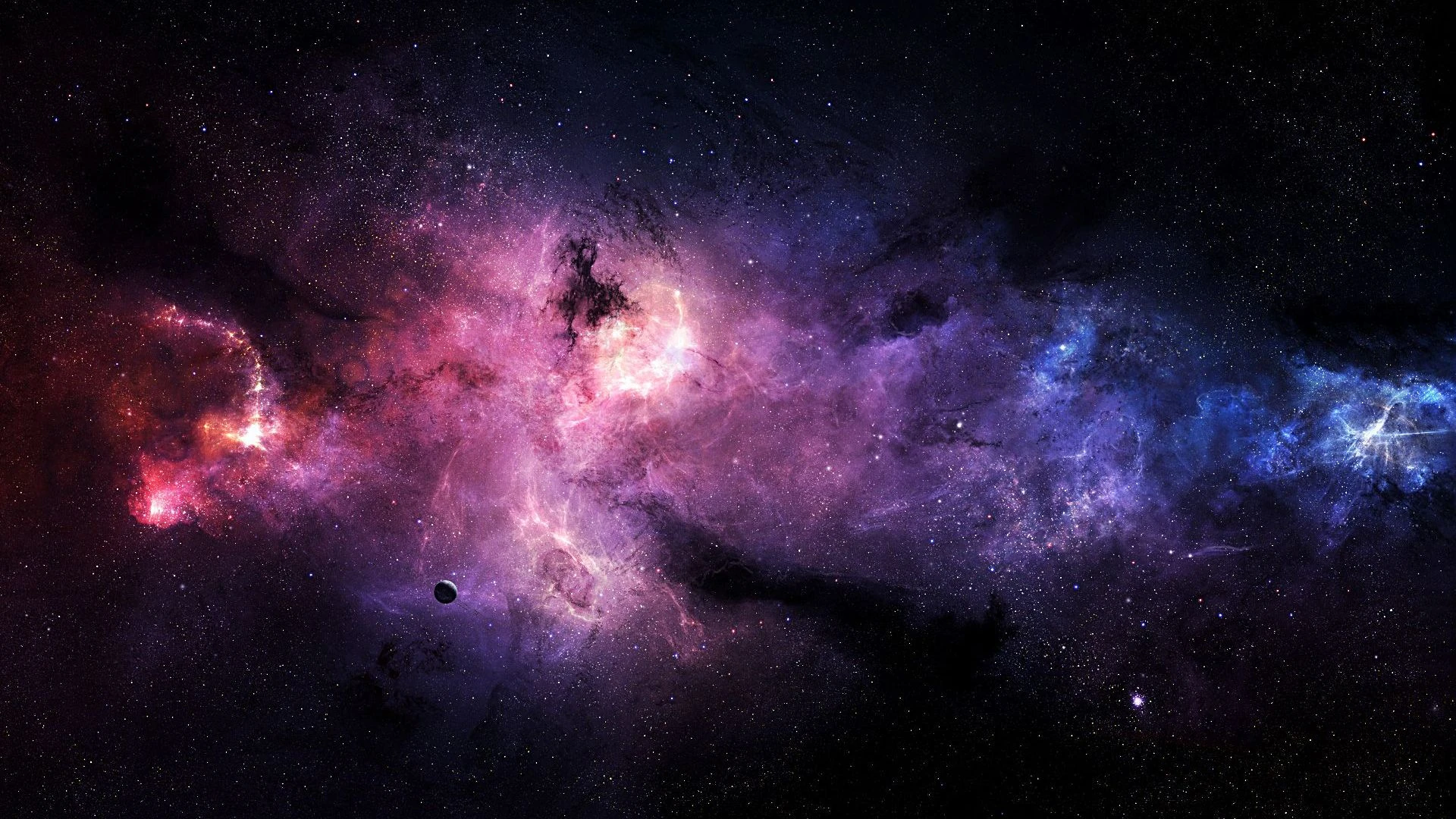
For years, scientists have struggled to account for a significant portion of the universe’s matter. While stars, galaxies, and visible structures make up a portion of the cosmos, it’s been observed that about half of the matter remains unaccounted for. Recent discoveries point toward hydrogen gas clouds as the missing piece of the puzzle, potentially unveiling what has been referred to as the “missing” normal matter of the universe. This missing matter, which isn’t dark matter, could account for as much as 15% of the universe’s total mass.

A groundbreaking study led by Simone Ferraro from the University of California, Berkeley, suggests that hydrogen gas clouds surrounding most galaxies are far more extensive than previously understood. This newfound expansiveness could be the key to solving the mystery of the universe’s missing matter. The study, published in the online preprint journal arXiv, presents compelling evidence that these gas clouds may hold the answer to one of the most perplexing questions in modern astrophysics.

To explore this mystery, Ferraro and her team utilized data from the Dark Energy Spectroscopic Instrument (DESI), which gathered images of approximately 7 million galaxies. By studying the faint halos of ionized hydrogen gas at the outer edges of these galaxies—structures that are invisible to traditional observation methods—the team was able to detect signs of this missing matter. The halos, when connected across galaxies, form a cosmic web that could span vast distances, offering a potential explanation for the undetected matter that has eluded scientists for decades.

This discovery not only sheds light on the missing matter but also offers new insights into the behavior of black holes. Initially, researchers believed black holes emitted a large amount of gas during their early life cycles. However, the study suggests that these cosmic giants may be far more active than previously thought, with some black holes potentially switching on and off in cycles. The next step for astronomers is to integrate these new findings into existing models of the universe, potentially transforming our understanding of both matter and the dynamic role of black holes in cosmic evolution.

Study Uncovers Microplastics in 1970s Caddisfly Casings, Highlighting Persistent Contamination Risks

A team of biologists from the Naturalis Biodiversity Centre in the Netherlands has made a groundbreaking discovery, revealing the presence of microplastics in the casings of caddisfly larvae dating back to the 1970s. This finding challenges previous assumptions about the timeline of microplastic contamination, suggesting that environmental damage from plastic pollution may have begun much earlier than previously thought. The researchers’ discovery highlights the long-term and far-reaching impact of microplastics on ecosystems.

Caddisflies, small moth-like insects typically found near freshwater habitats such as lakes and streams, are known for their unique behavior of constructing protective casings out of materials from their environment. These casings help shield the larvae from predators and harsh environmental conditions. Caddisflies are found in various parts of the world, and their larvae are particularly skilled at collecting materials like twigs, sand grains, and even small pebbles to create these shelters.

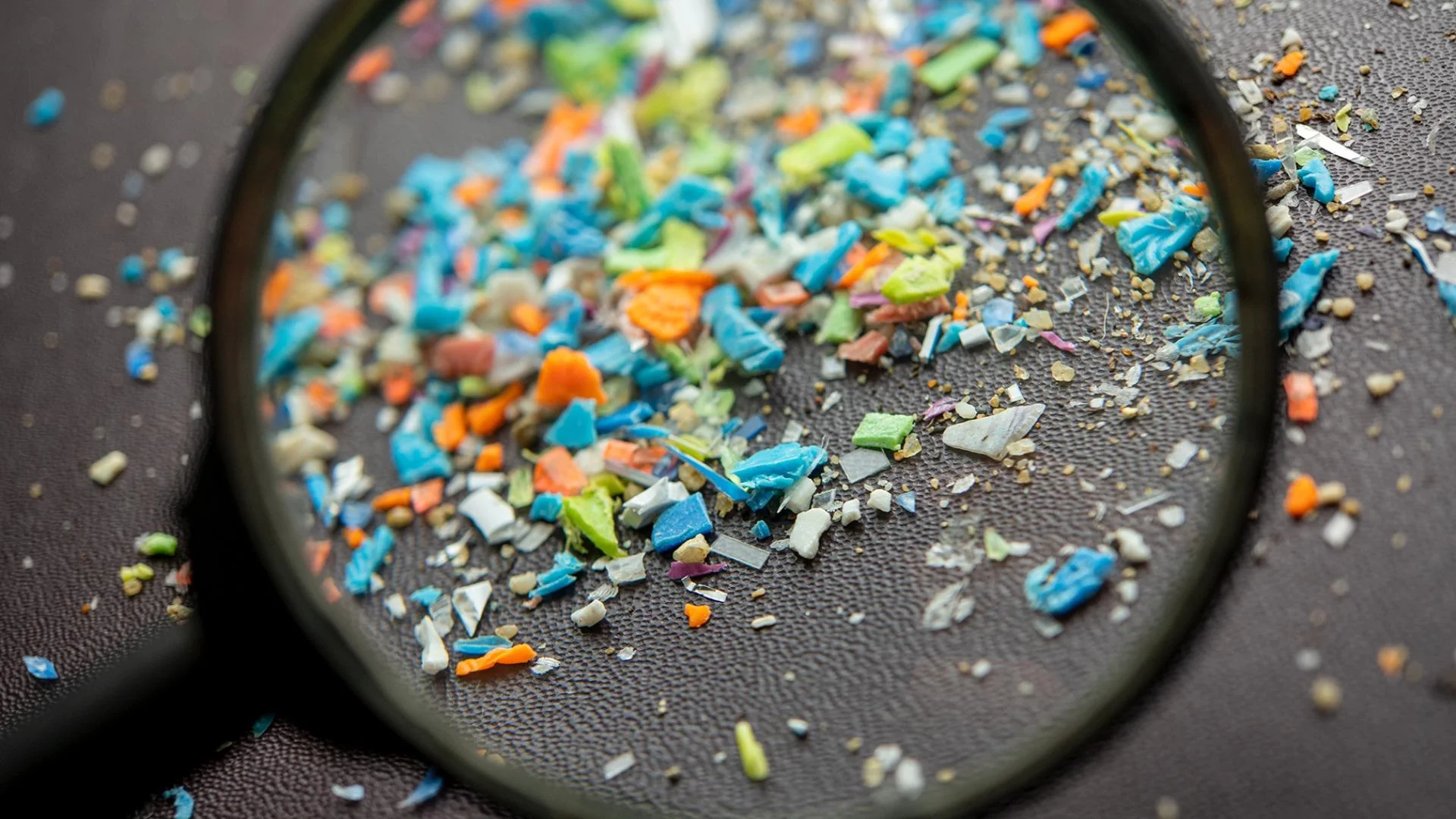
The team’s investigation began when they noticed a brightly colored material on a caddisfly casing in their collection. Upon closer inspection, they discovered that the vibrant substance was, in fact, microplastic particles. Intrigued by this find, the researchers expanded their study to include 549 caddisfly casings from different decades. The results were startling—many of these casings contained microplastics, further confirming the widespread presence of plastic pollution in natural environments for several decades.

This discovery, published in the Science of the Total Environment journal, offers significant insight into the persistence of microplastics in ecosystems. It also raises important questions about the long-term effects of plastic pollution on wildlife and the environment. As microplastics continue to accumulate in natural habitats, this research underscores the urgent need to address the global plastic waste crisis before the environmental consequences become irreversible.