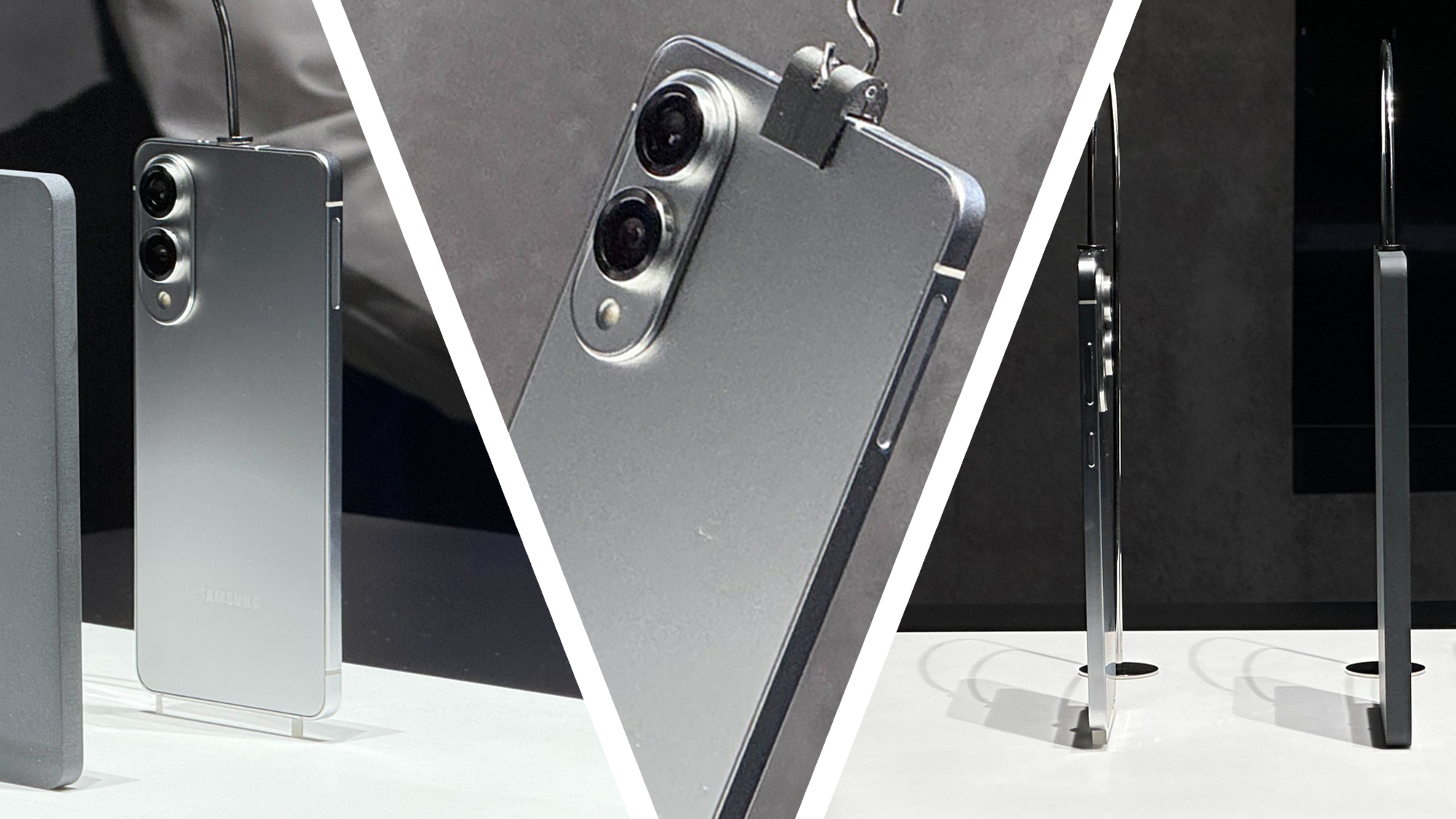
iPhone 17 Air Rumored to Feature Slimmer Design Than Samsung Galaxy S25 Edge; Battery Specs Surface

Apple is gearing up to launch the iPhone 17 Air, likely alongside the standard iPhone 17, iPhone 17 Pro, and Pro Max models this September. The iPhone 17 Air, rumored to be the thinnest iPhone yet, is expected to replace the iPhone 16 Plus in the lineup. Recent leaks have shed light on the device’s battery capacity, thickness, and weight, fueling excitement around this sleek new addition. Notably, it’s said to be thinner than Samsung’s Galaxy S25 Edge, potentially making it the slimmest flagship phone on the market.

According to tipster Yeux1122, who cites sources from Taiwan’s supply chain, the iPhone 17 Air will measure just 5.5mm in thickness. This confirms earlier predictions by analyst Ming-Chi Kuo and surpasses the Galaxy S25 Edge’s rumored 5.8mm thickness. Alongside its slim profile, the phone is expected to weigh approximately 145 grams, maintaining a lightweight feel without compromising build quality or durability.

One of the most interesting details concerns the battery: the iPhone 17 Air is expected to house a 2,800mAh battery, which is considerably smaller than those in current models. For context, the iPhone 16 features a 3,561mAh battery, while the Galaxy S25 Edge reportedly comes with a 3,900mAh cell. However, Apple may compensate for this smaller battery size by using advanced high-density silicon-anode battery technology, which could boost the effective capacity by 15 to 20 percent, helping the phone maintain strong battery life despite its slim form factor.

The decision to use a smaller battery aligns with the goal of delivering an ultra-thin design without sacrificing performance. Additionally, Apple is rumored to introduce a special phone case accessory designed to extend battery life for users who need extra power on the go. This combination of innovative battery tech and smart accessories may allow the iPhone 17 Air to balance style, portability, and endurance in a way that appeals to many users looking for a lightweight yet capable smartphone.


Android 17 Expected to Introduce Desktop Mode on Pixel Devices, Featuring Enhanced Multitasking

Google has been working on a dedicated desktop mode for Android devices for several years, aiming to bring a more seamless desktop experience to smartphones and tablets. This feature, known as Android Desktop Mode, was initially expected to launch alongside Android 16. However, recent leaks suggest that its debut may now be pushed back to Android 17, giving Google additional time to refine the user interface and overall experience.

According to tipster Mishaal Rahman, Android Desktop Mode will allow users to connect their Pixel phones to external displays, such as laptops or monitors, via USB Type-C. Once connected, the phone could switch to a desktop-style interface, similar to Samsung DeX or Motorola Connect. This mode is expected to support multitasking with resizable and movable windows, making it easier for users to work across multiple apps simultaneously, mimicking a traditional computer setup.

The upcoming desktop mode will likely include essential desktop-like features such as an app management system, a taskbar, and intuitive navigation elements to enhance usability. A developer option to “Enable desktop experience features” was even spotted in the Android 16 beta, hinting that Google has been testing the groundwork for this functionality. However, despite these early signs, the feature’s broader rollout seems to be delayed as Google focuses on polishing the interface.

By targeting Android 17 for the official release, Google hopes to deliver a more polished and fully functional desktop mode experience, especially on its next-generation Pixel phones. If successful, this could transform how users interact with their mobile devices, offering a flexible environment that bridges the gap between mobile convenience and desktop productivity.

Apple to Launch AirPods with Integrated Camera Next Year; Major Upgrades Delayed Until 2026

Apple is reportedly shifting its AirPods upgrade strategy, with no major new features expected until 2026. Last year, Apple introduced the AirPods 4, which brought active noise cancellation (ANC) to the base true wireless earbuds lineup for the first time. However, this year’s update seems to be on pause, as the company focuses on a more ambitious product set for 2026 and beyond.

According to TF Securities analyst Ming-Chi Kuo, Apple plans to hold off on substantial upgrades to the standard AirPods until 2026. While the core TWS models may see limited changes, the premium AirPods Max line could get a refresh sooner. Kuo revealed that Apple is working on a lighter version of the AirPods Max, which could enter mass production around 2027, signaling a gradual evolution rather than drastic changes.

Alongside these product improvements, Apple is expected to launch a completely new type of AirPods next year: earbuds equipped with built-in infrared (IR) cameras. This new model is anticipated to offer innovative features by detecting environmental cues and enabling “in-air” gesture controls. The IR cameras could significantly enhance user interaction by recognizing hand movements and gestures, offering a more intuitive way to control audio and other device functions.

The introduction of IR cameras in AirPods aligns with previous rumors suggesting that Apple is developing wearable devices with advanced sensing capabilities, including Apple Watch models and possibly smart glasses. This leap toward more interactive, sensor-driven earbuds could open up new possibilities for how users engage with their devices, making the AirPods not just audio accessories but also sophisticated input tools for the future.