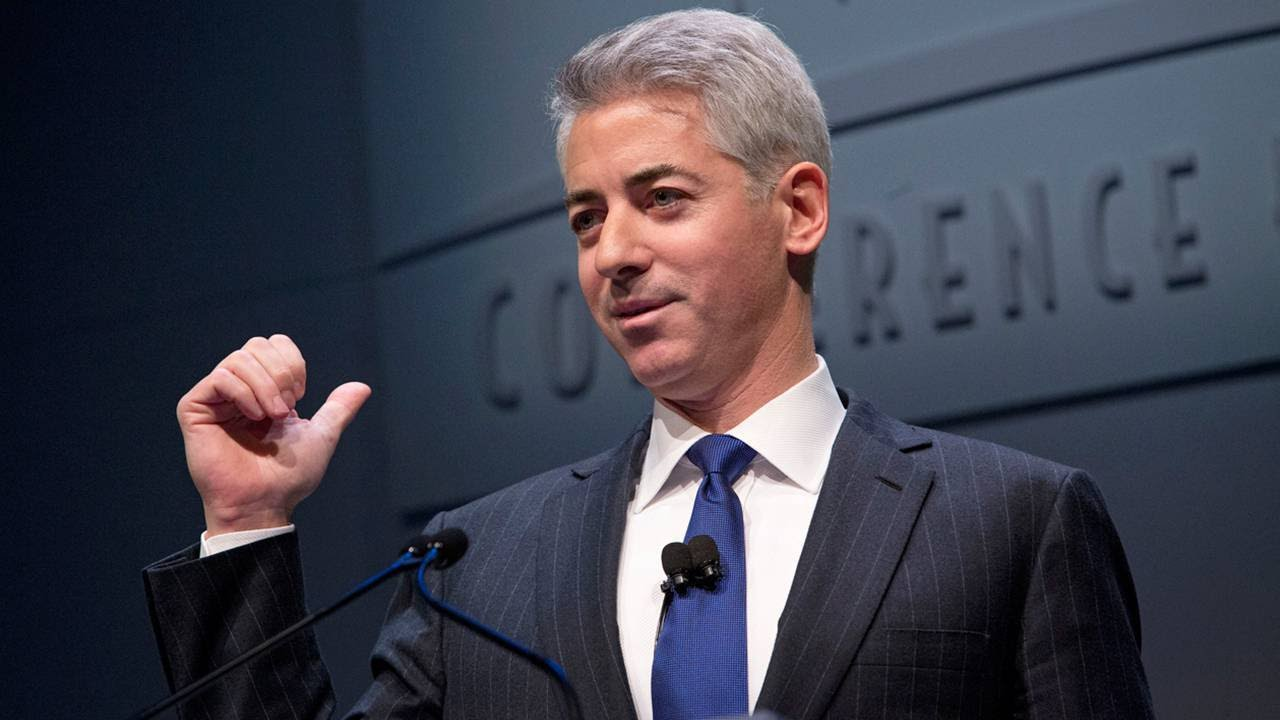
Ackman’s Pershing Square Bets Big on Amazon, Sells Out of Canadian Pacific

Billionaire investor Bill Ackman has added Amazon to his Pershing Square Capital Management portfolio, marking a major move into the e-commerce and cloud giant. The decision comes as Trump-era tariffs appear less damaging than initially feared and Amazon’s valuation offered an attractive entry point after market turbulence in April.


Key Takeaways:

  • Amazon Stake: Pershing Square initiated a new position in Amazon, with Chief Investment Officer Ryan Israel saying the stock became affordable after a tariff-driven market selloff. The hedge fund believes Amazon’s earnings growth remains robust, and CEO Andrew Jassy’s leadership will help expand margins amid strong revenue growth.

  • Tariff Impact Minimal: Ackman’s team downplayed concerns over Trump’s import tariffs, suggesting Amazon’s retail earnings won’t be materially affected, and the cloud division (AWS) can weather any slowdown.

  • Strategic Portfolio Shift: To fund the Amazon investment, Pershing Square exited Canadian Pacific, one of Ackman’s historically profitable holdings. The move was made “with regret,” as Ackman remains bullish on the rail company’s long-term potential.

  • Other Changes:

    • New Positions: Stakes were also added in Hertz and Uber, broadening exposure to transport and mobility sectors.

    • Trims: Positions in Chipotle, Hilton, and Universal Music Group were reduced.

    • Nike Adjustment: Equity holdings in Nike were converted into deep-in-the-money call options, allowing continued exposure with less capital deployed.


Strategic Outlook:

Ackman’s Amazon bet signals growing confidence in tech and e-commerce resilience, particularly as U.S. trade policy evolves and inflation moderates. Meanwhile, the exit from Canadian Pacific—despite long-term optimism—reflects the need to rebalance capital toward higher-growth opportunities.

The move into Uber and Hertz also aligns with trends in urban mobility and travel rebound, while trimming strong performers like Chipotle and Hilton frees up capital amid rising valuations.


Major U.S. Banks Explore Joint Stablecoin Initiative, WSJ Reports

Several top U.S. banks, including JPMorgan Chase, Bank of America, Citigroup, and Wells Fargo, are reportedly in early discussions to jointly issue a stablecoin, according to a Wall Street Journal report published Thursday. The conversations are still preliminary and conceptual, sources told the newspaper.


Details of the Stablecoin Proposal

  • The effort involves entities co-owned by the banks, including The Clearing House and Early Warning Services.

  • One proposed structure could allow non-owner banks to also use the stablecoin, potentially expanding it into a broadly accepted digital settlement method within the financial industry.

  • The banks aim to explore whether a jointly issued dollar-backed stablecoin could enhance settlement efficiency, particularly for digital payments and interbank transfers.

  • Discussions also include the regulatory implications and technical infrastructure needed for a consortium-based coin.


Context and Market Implications

  • Stablecoins are cryptocurrencies pegged to fiat currencies (usually the U.S. dollar) and are primarily used to transfer value across crypto ecosystems quickly and with minimal volatility.

  • Currently, the U.S. stablecoin market is dominated by private players like Tether (USDT) and Circle (USDC). A move by traditional banks could challenge their dominance and legitimize digital dollar alternatives in regulated finance.

  • The initiative, if realized, would mark one of the most significant entries by traditional financial institutions into crypto infrastructure.


Political and Regulatory Backdrop

  • The report comes amid a shifting regulatory and political landscape in the U.S.:

    • Former President Donald Trump has positioned himself as a pro-crypto advocate, promising to become the “crypto president” and backing policies that promote blockchain innovation.

    • This contrasts with prior Democratic efforts to regulate or restrict aspects of crypto finance.

  • Regional banks are reportedly considering forming a separate consortium, highlighting the fragmented but growing interest in stablecoin issuance across the banking spectrum.


Responses and Next Steps

  • Citigroup, Bank of America, and Wells Fargo declined to comment.

  • JPMorgan did not respond to inquiries.

  • No official decisions have been made, and the project remains exploratory with potential changes in direction depending on regulatory feedback and internal priorities.

U.S. Indicts Russian Hacker Behind Qakbot Malware, Unseals Charges Against DanaBot Network

The U.S. Department of Justice on Thursday unsealed criminal charges against Russian national Rustam Rafailevich Gallyamov, accusing him of masterminding Qakbot, a long-running malware operation that infected thousands of computers worldwide and facilitated ransomware and cyber fraud schemes.

At the same time, prosecutors also announced charges against 16 individuals allegedly behind the DanaBot malware, part of an international enforcement effort called Operation Endgame.


Qakbot Mastermind Indicted

  • Rustam Gallyamov, 48, of Moscow, is accused of leading a cybercriminal group responsible for developing and deploying Qakbot since the early 2010s.

  • Qakbot was used to:

    • Infect computers with ransomware and other malware

    • Build and operate botnets to control compromised devices

    • Launch further malicious campaigns

  • A federal complaint also seeks the forfeiture of over $24 million in seized crypto and fiat funds linked to the case.

  • The DOJ said Gallyamov remained active in cybercrime operations as recently as January 2025, despite a major 2023 international takedown of Qakbot infrastructure.

  • Gallyamov’s current whereabouts are unknown, and he has not responded to comment requests.


DanaBot Network Brought Down

  • Prosecutors in Los Angeles also unsealed charges against 16 people tied to the DanaBot malware operation.

  • DanaBot has infected more than 300,000 computers globally since 2018 and caused an estimated $50 million in damages.

  • Initially designed to steal banking credentials, DanaBot evolved to include broader information-theft capabilities and enabled unauthorized access for further cybercrime.

  • It was still seeing 1,000 new infections daily across over 40 countries in 2025, according to threat researchers at Black Lotus Labs, a participant in Operation Endgame.

  • This coordinated campaign involved international law enforcement and cybersecurity firms to dismantle infrastructure and arrest perpetrators globally.


Broader Impact

  • These cases illustrate the ongoing and evolving threat of malware and cybercrime, even after major takedowns.

  • The DOJ emphasized that it will continue pursuing cybercriminals operating beyond U.S. borders, often in partnership with global agencies.