Intuit Lifts Forecasts on Strong Tax Season and AI Momentum

Intuit raised its fourth-quarter and full-year guidance after strong demand during the U.S. tax season and growing interest in its AI-powered financial tools, sending shares up over 8% in extended trading.

The company, known for TurboTax, Credit Karma, and QuickBooks, saw a 15% year-over-year increase in third-quarter revenue to $7.75 billion, beating analysts’ estimates. Adjusted earnings per share (EPS) rose to $11.65, also topping consensus expectations of $10.91.

AI Push and Product Revamp

Intuit is preparing to launch a suite of AI agents designed to act on behalf of users, with deployment in the QuickBooks portfolio planned in the coming weeks. CFO Sandeep Aujla confirmed a revamped product lineup featuring AI agents such as “accounting” or “finance” specialists, which users will be able to purchase as add-ons to their standard plans.

“There’s going to be a new lineup, and as part of that, we will have price changes,” Aujla told Reuters.

Q4 and Annual Outlook Raised

  • Q4 Revenue Forecast: $3.72B–$3.76B (vs. $3.51B estimate)

  • Q4 Adjusted EPS: $2.63–$2.68 (vs. $2.59 estimate)

  • Full-Year Revenue Growth: ~15% (up from 12–13%)

Intuit now expects stronger growth driven by product innovation and the expansion of AI-driven tools across its offerings.

TurboTax Trends

TurboTax performance saw a strategic shift this year:

  • Paying TurboTax Online Units: Expected to rise 6%

  • Free Filings: Expected to fall by 2 million to 8 million users, as Intuit shifted focus to paid and assisted options

This reflects Intuit’s strategy to monetize more of its user base while maintaining leadership in the tax prep market.

Specialized Robots Surge as Investors Favor Function Over Flash

Investors are pouring billions into task-specific robots that prioritize utility over flair, signaling a shift from the pursuit of humanoid machines to efficient, profitable automation. These boxy, utilitarian robots — more warehouse workhorse than sci-fi android — are quietly transforming industries by doing one thing well: repeating a task reliably and cheaply.

Instead of dancing or flipping like Boston Dynamics’ Atlas, these machines haul industrial parts, collect waste, deliver hospital supplies, and inspect equipment. The appeal? Predictable performance, scalable deployment, and a clearer path to returns.

“We’ve found that by solving a very specific problem in a high-need area like healthcare, we can create a sustainable business model,” said Andrea Thomaz, CEO of Diligent Robotics, maker of the hospital-assistant robot Moxi.

Investment Boom in Purpose-Built Robots

According to PitchBook, robotics firms raised $2.26 billion globally in Q1 2025, and over 70% of that went to companies building task-focused robots — a clear vote of confidence in function-first machines.

  • Ati Motors, based in Bengaluru, has deployed hundreds of its Sherpa Tug robots across 50+ industrial sites, hauling loads of over 1,000 kg for clients like Hyundai, Bosch, and Forvia.

  • ViaBot, backed by Era Ventures, focuses on automating trash collection in parking lots.

  • Diligent Robotics’ Moxi helps in hospitals by handling supply deliveries and lab sample transport, reaching product-level profitability.

CEO Saurabh Chandra of Ati Motors credited Nvidia’s Orin NX chip for enabling real-time AI on the edge, reducing dependency on cloud infrastructure and improving robot autonomy.

Humanoids Lag Behind in Practical Use

In contrast, companies pursuing general-purpose humanoid robots face serious challenges:

  • Lack of physical training data: Unlike language models trained on internet-scale datasets, robots must learn by doing.

  • Cost and complexity: Hardware alone can cost $50,000–$200,000 per unit, much higher than the $5,000–$100,000 range for task-specific bots.

  • Limited environments: Even advanced humanoids like those from Figure AI are confined to structured settings like car factories.

“(True) general-purpose robots have not really been invented yet,” said Marc Theermann, Chief Strategy Officer at Boston Dynamics. “Anyone claiming commercial general-purpose deployment is over-promising and will under-deliver.”

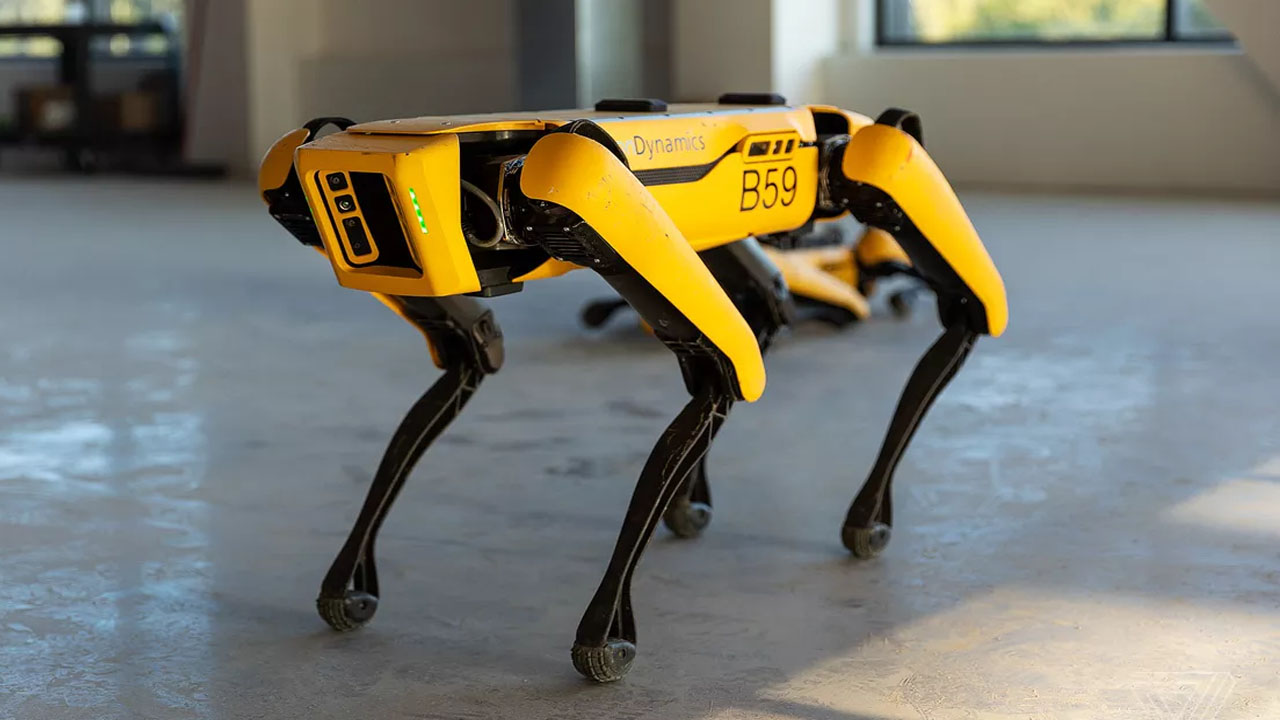
Boston Dynamics is instead capitalizing on niche opportunities like Spot, a quadruped robot used for industrial inspection.

Strategic Outlook

Investors see current deployments of functional robots as proving grounds for a future where humanoid robots may eventually scale, once reliability and cost barriers are overcome.

“There will be robots built for a task doing something very useful, very cost-effectively,” said Raja Ghawi of Era Ventures. “And as that gets better, people will realize there is a good reason to have a full humanoid.”

Lenovo Q4 Profit Plunges 64%, Misses Forecasts Amid Tariff Blow

Lenovo, the world’s largest PC maker, reported a 64% year-on-year plunge in fourth-quarter net profit, falling far short of analysts’ estimates and triggering a sharp 5.4% drop in its share price on Thursday.

The company blamed the profit collapse largely on a fair value loss on warrants and the unexpected imposition of 20% tariffs on Chinese imports by U.S. President Donald Trump in March, targeting fentanyl-related goods but affecting broader categories.

“The 20% tariffs announced in March were implemented suddenly and left us no time to prepare. It had a significant impact on our numbers in the last quarter – it’s not a small number,” CEO Yang Yuanqing said during an earnings call.

Key Financial Results (Jan–Mar Quarter):

  • Net Profit:
    $90 million, vs. $225.8 million expected (LSEG consensus)
    ↓ 64% YoY

  • Revenue:
    $15.72 billion,
    ↑ 23% YoY, exceeding analyst forecast of $15.6 billion

Business Unit Highlights:

  • Infrastructure Solutions Group (ISG):
    Revenue ↑ 64% YoY, driven by server demand

  • Solutions and Services Group (SSG):
    Revenue ↑ 22%, reflecting strong enterprise cloud software sales

  • Personal Computing (PC):
    Continued global leadership but margin pressure remains amid tariff uncertainty

Tariff Impact and Strategy:

Yang confirmed that Lenovo may raise product prices if tariffs persist. He emphasized that the company’s 30 manufacturing facilities across more than 10 countries provide flexibility to adjust operations and mitigate future trade risks.

Although many U.S.-China tariffs imposed since April were rolled back, the 20% fentanyl-related levy remains, continuing to strain Chinese tech firms like Lenovo.

Market Reaction:

  • Lenovo stock:
    ↓ 5.4%, vs. Hang Seng index decline of 1.3%