
Samsung Galaxy Z Flip FE Reappears on Geekbench Featuring New Processor Variant

Samsung’s Galaxy Z Flip FE continues to attract attention as it nears its anticipated launch later this year, alongside the Galaxy Z Flip 7 and Galaxy Z Fold 7. While previous leaks about the device have been somewhat inconsistent, particularly regarding the chipset, a fresh Geekbench listing has surfaced that could shed more light on what to expect. Notably, this new benchmark reveals different chipset details compared to earlier rumors.

The latest Geekbench entry for the Galaxy Z Flip FE, bearing the model number SM-F766U, highlights a ten-core processor with a motherboard code-named ‘s5e9955’. This CPU features a 1+2+5+2 core configuration, with the prime core clocked at 3.30GHz, two cores running at 2.75GHz, five at 2.36GHz, and two efficiency cores at 1.80GHz. These specifications strongly align with the Exynos 2500 chipset, suggesting Samsung may be opting for this newer Exynos processor in this foldable.

According to the benchmark results, the device runs Android 16 and comes equipped with 12GB of RAM. It scored 2,012 points in single-core tests and 7,563 points in multi-core tests, reflecting a decent performance for a mid-range foldable. Previously, the Galaxy Z Flip FE had appeared with the Exynos 2400 chipset or rumors suggested it might come with the Snapdragon 8 Gen 3. This new listing could signal a shift in Samsung’s plans or indicate multiple chipset variants.

Interestingly, this would mark the first time Samsung uses an Exynos processor in a foldable phone, if the information proves accurate. Earlier this month, a different Geekbench listing showed the Flip FE (model SM-F761N) running on the Exynos 2400 with 8GB of RAM, also on Android 16. The presence of multiple listings hints at possible regional variants or evolving development for the device ahead of its official unveiling.

Samsung Galaxy Buds Core Rumored to Feature Bigger Battery Compared to Galaxy Buds FE

Samsung is gearing up to launch the Galaxy Buds Core as the next iteration following the Galaxy Buds FE, which debuted in October 2023 across select markets. Recently, the Galaxy Buds Core appeared on the Bureau of Indian Standards (BIS) website, signaling an imminent launch in India. Additionally, support pages for the earbuds have gone live in several regions, hinting that the official announcement is not far off. New leaks have also revealed that the Galaxy Buds Core and their charging case might feature larger batteries compared to their predecessors.

According to a tip shared by X user Anthony (@TheGalox_), the Galaxy Buds Core could house a 500mAh battery in the charging case, while each earbud might come equipped with a 100mAh cell. This would be a significant upgrade from the Galaxy Buds FE, which contained 60mAh batteries in each earbud and a 479mAh battery in the charging case. This increase in battery capacity suggests a notable improvement in playback and usage times.

The Galaxy Buds FE currently offer a total battery life of up to 21 hours, including charging case usage, with active noise cancellation (ANC) enabled lasting for up to 13 hours. With the larger batteries rumored for the Galaxy Buds Core, users can likely expect longer listening sessions, potentially making these earbuds more appealing for extended use. This could especially benefit those who prioritize battery life alongside premium sound quality and features.

Reports also suggest that the Galaxy Buds Core support pages have already appeared in multiple countries, including India, the UAE, Russia, and Turkey, indicating a global rollout is planned. Industry insiders anticipate that Samsung will unveil these earbuds during the Galaxy Unpacked event scheduled for July, alongside the Galaxy Z Flip FE foldable phone. This launch could mark a strong push by Samsung into the mid-range TWS segment with improved battery life and advanced features.

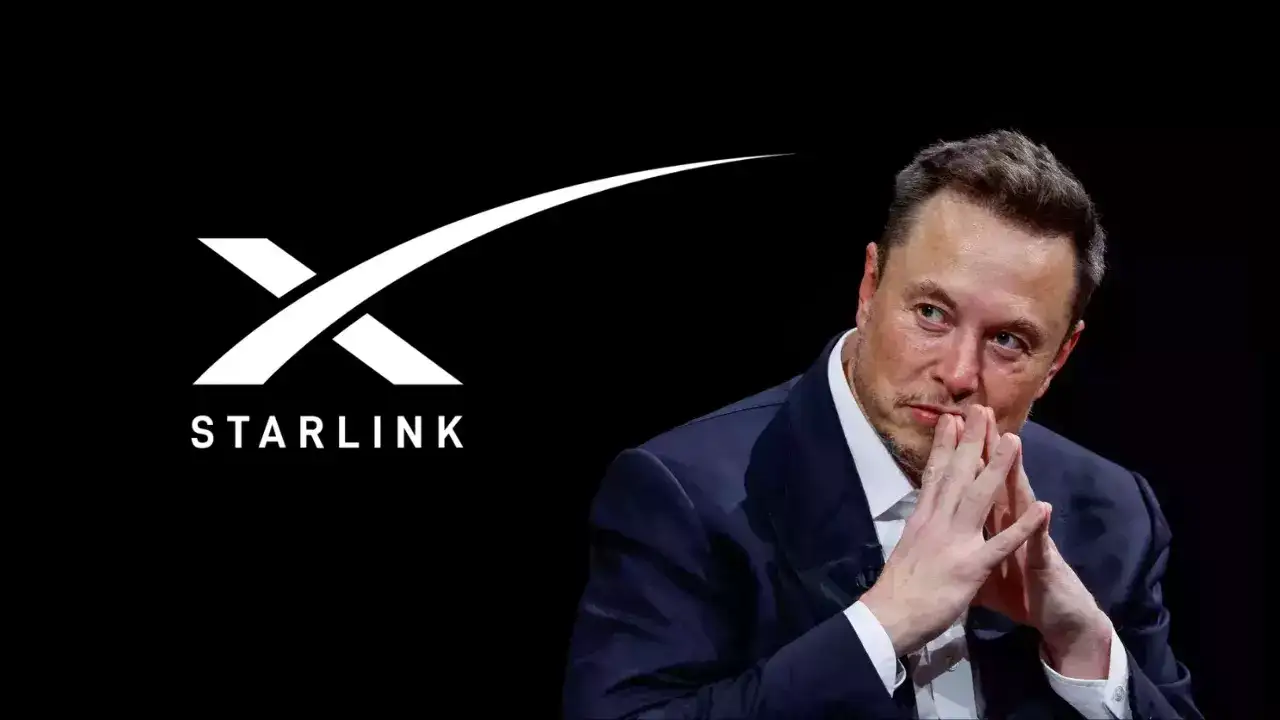
Elon Musk’s Starlink to Enter Indian Market Offering Plans Below ₹850 Monthly: Report

Starlink is preparing to launch its satellite internet services in India, having cleared key regulatory approvals. According to recent reports, the company plans to offer subscription packages starting at around $10 per month, which is roughly Rs. 850. These plans are expected to include unlimited data as part of initial promotional offers, aiming to attract a large user base quickly. Elon Musk’s SpaceX hopes to reach 10 million Indian subscribers to balance the high costs of spectrum and licensing through scale.

Earlier this month, Starlink received a Letter of Intent from India’s Department of Telecommunications (DoT), granting permission to roll out its satellite communication network in the country. However, the Telecom Regulatory Authority of India (TRAI) has recommended additional charges, including an extra Rs. 500 per month per urban user, which could make satellite internet services pricier than traditional broadband options. These proposals also include fees like 4% of adjusted gross revenue and a minimum annual spectrum charge, along with an 8% licensing fee for commercial operations.

Despite these regulatory costs, Starlink and other satellite internet providers are expected to offer competitive pricing to recover their initial investments. The rumored Rs. 850 monthly plan with unlimited data could position Starlink as one of the most affordable satellite internet services globally, making it accessible to a wide population across India, including rural and underserved areas.

Starlink uses a vast network of low Earth orbit (LEO) satellites orbiting approximately 550 kilometers above Earth to provide high-speed, low-latency internet connectivity. This technology allows Starlink to deliver broadband in remote locations where traditional cable or fiber infrastructure is not feasible. With India’s vast geography and digital demand, Starlink’s entry could significantly boost internet access and bridge connectivity gaps across the country.