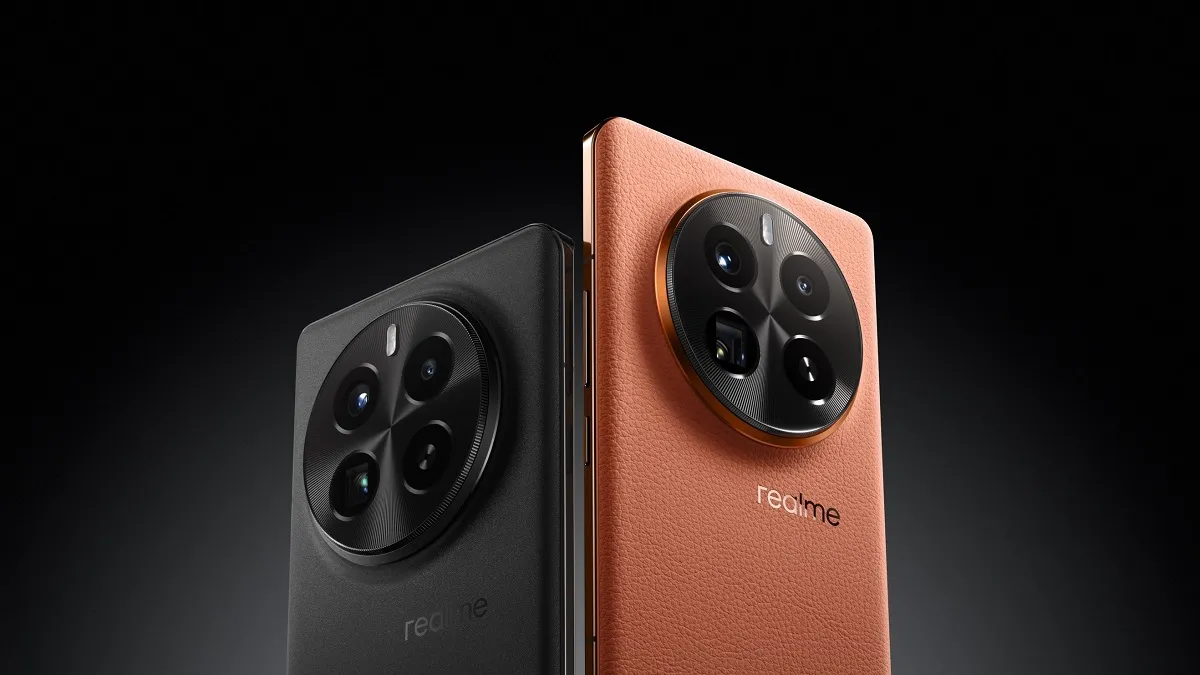
Realme GT 7 and GT 7T Leaked: Pricing, Specs Reveal Possible IP69 Rating and 1.5K Display

Realme is gearing up to launch the Realme GT 7 and Realme GT 7T on May 27, with both models set to debut in India as well as other global markets. Ahead of the official announcement, these phones have appeared on a popular retailer’s website, revealing key specifications and price details that fans have eagerly awaited. The GT 7 features a slightly larger 6.78-inch display, while the GT 7T comes with a compact 6.68-inch screen, catering to different user preferences in size and handling.

According to the listing on Amazon Germany, the Realme GT 7 is priced at around EUR 749 (approximately Rs. 72,000) for the 12GB RAM and 256GB storage variant, with a higher 12GB + 512GB model priced at EUR 799 (around Rs. 77,000). The Realme GT 7T offers a more affordable entry point, with prices at EUR 649 (Rs. 62,000) and EUR 699 (Rs. 68,000) for the respective 12GB RAM + 256GB and 12GB RAM + 512GB configurations. Both phones come in eye-catching shades: IceSense Black and IceSense Blue for the GT 7, and IceSense Blue and IceSense Yellow for the GT 7T.

The Realme GT 7 boasts a 6.78-inch display featuring a 1.5K resolution and an impressive peak brightness of 6,000 nits, ensuring vibrant visuals even in bright sunlight. Under the hood, it runs on the powerful MediaTek Dimensity 9400e chipset, paired with a sophisticated 7,700mm² vapor chamber cooling system designed to keep the phone running smoothly during heavy tasks. Photography enthusiasts will appreciate the triple rear camera setup, headlined by a 50-megapixel Sony IMX906 main sensor with optical image stabilization (OIS) to deliver crisp, steady shots.

Both the GT 7 and GT 7T are rumored to house large 7,000mAh batteries to support long hours of use, paired with fast charging capabilities. Perhaps most notably, these devices are expected to carry an IP69 rating, making them highly resistant to dust and water — a rare feature for smartphones in this price segment. This blend of powerful specs, premium durability, and competitive pricing positions the Realme GT 7 series as a strong contender in the mid-to-high-end smartphone market.
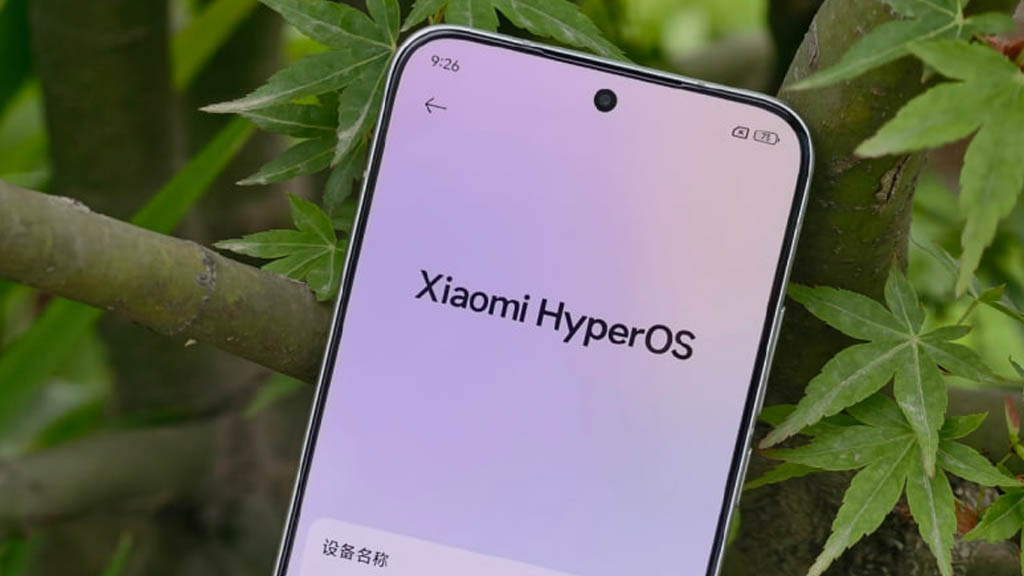

Xiaomi’s HyperOS 3 Based on Android 16 Expected to Launch with Xiaomi 16, Following HyperOS 2

Vivo is gearing up to expand its mid-range lineup with the introduction of the Vivo T4 Ultra, a higher-end variant of the recently launched Vivo T4. The Ultra tag is familiar within Vivo’s T series, with the Vivo T3 Ultra currently available in India at an affordable price point. According to recent leaks, the Vivo T4 Ultra is expected to hit the market by early June, potentially replacing the T3 Ultra as the premium option in this series.

The Vivo T4 Ultra is rumored to feature a 6.67-inch pOLED display with a smooth 120Hz refresh rate, promising vibrant visuals and fluid scrolling. Powering the device will be a MediaTek Dimensity 9300 series chipset, although the exact model within the series has yet to be confirmed. The focus on performance and display improvements suggests Vivo’s intent to offer a compelling package for users seeking a high-end experience without breaking the bank.

Camera upgrades are expected to be a highlight of the T4 Ultra. While it may retain the 50-megapixel Sony IMX921 primary sensor found on previous models, the secondary camera is said to be a significant upgrade: replacing the ultrawide lens with a 50-megapixel periscope telephoto lens. This change could bring enhanced zoom capabilities and improved versatility for photography enthusiasts. On the software side, the device is anticipated to run Funtouch OS 15 based on Android 15, offering a modern and smooth user experience.

Battery details remain under wraps, but the Vivo T4 Ultra is tipped to support faster 90W wired charging, a step up from the 80W charging on the Vivo T3 Ultra. Speaking of which, the current Vivo T3 Ultra features a 6.78-inch AMOLED display, MediaTek Dimensity 9200+ processor, and a 5,500mAh battery. It sports a triple 50-megapixel camera setup and is priced starting at Rs. 27,999. With these rumored enhancements, the Vivo T4 Ultra could become a compelling option in the mid-range segment for users looking for a performance and camera boost.

HyperOS 3 Based on Android 16 Expected to Launch in Q3 2025, Possibly with Xiaomi 16

Earlier this year, Xiaomi launched HyperOS 2, a new operating system based on Android 15, alongside its Xiaomi 15 series on the global stage. Now, rumors are swirling about the next iteration, HyperOS 3, which is expected to be built on Android 16. According to a well-known tipster, this latest version of Xiaomi’s OS could arrive as soon as the third quarter of 2025, potentially coinciding with the launch of the much-anticipated Xiaomi 16 smartphone. This timeline aligns closely with Google’s expected release of Android 16, rumored to happen next month.

The release schedule for HyperOS 3 was shared by tipster Digital Chat Station on Weibo, hinting that Xiaomi aims to unveil the new OS during Q3 2025. It is anticipated that HyperOS 3 will come pre-installed on the Xiaomi 16 series, which is expected to debut in China around September or October—mirroring the timing of previous Xiaomi releases like the Xiaomi 15. The synchronization of OS and device launches suggests Xiaomi’s continued strategy of tightly integrating hardware and software to deliver a cohesive user experience.

Meanwhile, Xiaomi has not been idle on the software front and is reportedly rolling out the stable HyperOS 2.2 update to a dozen devices within its lineup. This update focuses on enhancing system smoothness, improving battery optimization, and boosting overall responsiveness. Among the notable changes are a redesigned notification management system and new AI-driven features designed to enhance productivity and camera capabilities, including the introduction of Camera Interface 6.0.

Additionally, HyperOS 2.2 aims to deepen integration across Xiaomi’s ecosystem, allowing for better cross-device connectivity and user convenience. These ongoing improvements reflect Xiaomi’s commitment to refining its operating system and expanding its feature set as it prepares to transition to HyperOS 3, which is expected to push the envelope even further when it launches later in 2025.