Airwallex Hits $6.2 Billion Valuation in New $300 Million Funding Round

Airwallex, the global fintech firm specializing in cross-border payments, announced on Wednesday that it has raised $300 million in fresh capital, lifting its valuation to $6.2 billion — an 11% increase from its previous valuation in 2022.

The raise comes at a time when the broader private funding market remains tepid. According to PitchBook, over 26% of completed deals in Q1 2025 were either flat or down rounds, reflecting ongoing investor caution amid persistent high interest rates, recession fears, and geopolitical uncertainty, particularly around U.S. trade policy under Donald Trump.

Growth Despite Market Headwinds

Founded in Melbourne in 2015, Airwallex has grown into a leading payments platform offering international invoicing, cross-border payments, and spend management tools. The company moved its U.S. headquarters to San Francisco in 2023 and now has its global headquarters in Singapore.

“Just a few years ago, most of our business came from our cross-border infrastructure. Today, online payment processing and spend management account for over 70% of net revenue,” said Jack Zhang, co-founder and CEO of Airwallex.

The firm’s client roster includes global names such as Shein, Qantas, and Xero.

Investor Support and Strategic Focus

The latest round included backing from well-known venture firms such as Square Peg, DST Global, Lone Pine Capital, and Blackbird, bringing Airwallex’s total funding to over $1.2 billion.

Zhang emphasized that Airwallex is targeting Japan, Korea, and Latin America for its next wave of geographic expansion, further challenging incumbents like JPMorgan Chase, Bank of America, and Citigroup in the global payments arena.

Industry Context

While the fintech sector enjoyed explosive growth during the post-COVID digital transformation wave, funding has since slowed dramatically. Airwallex’s successful raise — and upward valuation — positions it as a standout performer in a cautious investment climate, signaling investor confidence in its business model and global strategy.

M&S Faces $400 Million Hit from Cyberattack, Online Disruption to Last Into July

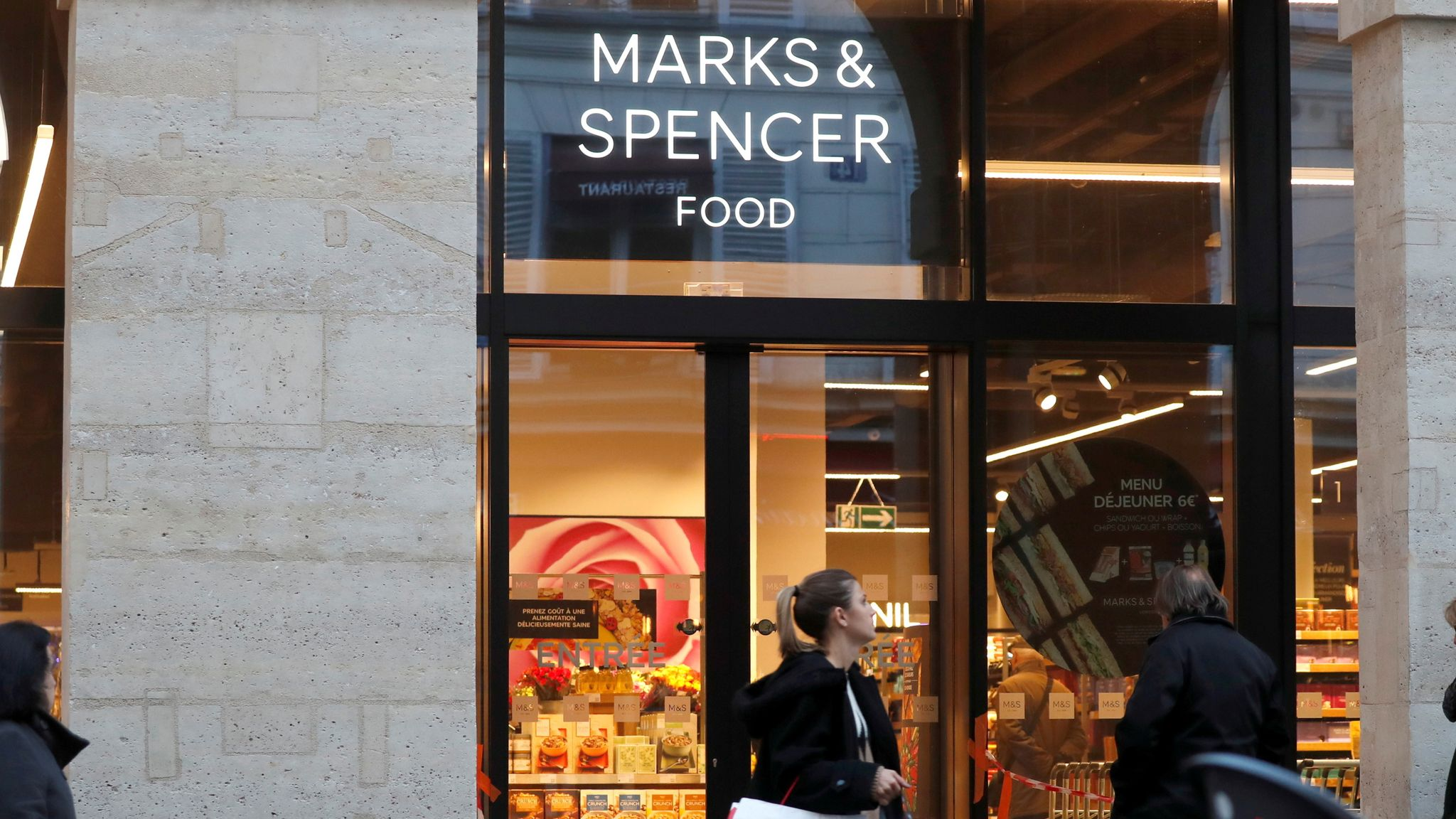
Marks & Spencer (M&S) confirmed on Wednesday that the cyberattack disclosed in April will cost the British retailer approximately £300 million ($403 million) in lost operating profit, with disruption to its online operations expected to continue into July.

The attack, described by the company as “highly sophisticated and targeted“, forced M&S to shut down its automated stock systems, temporarily reverting to manual, pen-and-paper processes to manage billions of pounds worth of fresh food, clothing, and home goods. The fallout led to empty food shelves, delayed deliveries, and significant customer dissatisfaction.

Financial and Operational Impact

The cyberattack has been a major blow to M&S during a crucial period in its ongoing turnaround strategy. It has already:

  • Wiped more than £1 billion off M&S’s market value,

  • Halted online clothing, home and beauty sales, which have been “heavily impacted”,

  • Caused reduced food availability, higher waste, and increased logistics costs.

Despite this, in-store sales have remained “resilient,” and food sales recovered over the past week.

CEO Stuart Machin said the company expects 85% of online clothing and home items to be back on the site in the coming weeks. However, the full system restart will continue into July.

M&S reported £984.5 million in operating profit for the year ended March 29. It expects to mitigate some of the projected £300 million loss through insurance claims, cost-saving measures, and operational recovery.

Source and Method of Breach

Machin reiterated that the breach did not result from a failure in M&S’s own cybersecurity infrastructure. Instead, hackers gained access via “social engineering” at a third-party contractor. The attackers used deceptive methods to trick employees, breaching external access points rather than M&S’s internal systems.

“We didn’t leave the door open. This wasn’t anything to do with underinvestment,” said Machin.

The National Crime Agency has linked the incident to a group of young, English-speaking hackers, part of a wider pattern of cyberattacks affecting UK institutions including the British Library, London Underground, and blood testing services.

Market Reaction and Outlook

Despite the disruption, M&S shares rose 2% on Wednesday, reflecting investor confidence in the company’s recovery efforts. The stock is still down 9% since the attack.

Archie Norman, M&S chairman, acknowledged the setback but remained optimistic about the company’s broader transformation:

“Just as you think you’re onto a good streak, events have a way of putting you on your backside.”

Analysts said M&S’s strong underlying performance — with adjusted pretax profit up 22.2% and sales rising 6.1% to £13.9 billion — suggests its turnaround remains intact. The clothing and food divisions both gained market share, reinforcing the company’s momentum before the attack.

Nevertheless, competitors like Next, John Lewis, Tesco, and Sainsbury’s may benefit from M&S’s temporary online absence.

Cybersecurity Response

M&S stated that it will use the crisis to accelerate improvements in its technology infrastructure, emphasizing the importance of resilience in the face of rising global cyber threats.

The retailer also disclosed a £248.5 million non-cash impairment charge, linked to longer-term digital and operational investments affected by the incident.

Amazon Tests AI-Powered Audio Summaries to Enhance Shopping Experience

Amazon has begun testing AI-generated audio summaries on select product detail pages, marking another step in the tech giant’s broader push to embed artificial intelligence across its platforms. The feature, announced on May 21, provides short-form spoken summaries of product information, designed to streamline the shopping experience for users.

The AI summaries are based on a synthesis of product details, customer reviews, and other related online content. U.S. customers in a test group can access the feature by tapping the “Hear the highlights” button within the Amazon shopping app. The company said it plans to expand availability to more products and users in the coming months.

The move is part of Amazon’s accelerated investment in voice- and AI-powered tools, following the rise of consumer interest in generative AI sparked by platforms like OpenAI’s ChatGPT.

Amazon’s Expanding AI Ecosystem

Amazon has recently:

  • Upgraded Alexa+, its voice assistant, with generative AI capabilities,

  • Launched Rufus, an AI-powered assistant that answers product-related queries,

  • Introduced Shopping Guides, which offer curated product recommendations and expert advice.

These tools aim to deliver a more personalized, conversational shopping experience and help users navigate the vast inventory more efficiently.

Industry-Wide AI Race

Amazon’s announcement follows a wave of AI-driven innovations by other major tech firms. OpenAI, for example, recently enhanced ChatGPT’s web search to include personalized shopping suggestions with visual previews and purchase links.

Similarly, Google and Meta have integrated AI-powered features across search, messaging, and social media platforms, reflecting a broader industry trend toward more intelligent, voice-driven, and context-aware user experiences.

Amazon’s audio summary test suggests a future where spoken AI guidance may become a regular part of digital commerce, particularly as users increasingly expect faster and more intuitive ways to shop online.