
Netflix Ad-Supported Tier Reaches 94 Million Subscribers Amid Global Growth Push

Netflix announced on Wednesday that its advertising-supported tier now has 94 million users, a sharp rise from 70 million in November 2024, as more subscribers gravitate toward lower-cost streaming options amid global economic headwinds.

With over 300 million total global subscribers, Netflix emphasized that spending across all pricing tiers remains strong, helping ease investor fears that shifting U.S. trade policies or broader economic uncertainty would impact consumer streaming habits.

We’re not seeing any major pullback in user spending,” Netflix stated, pointing to sustained demand even in the ad-tier segment.

📈 Key Highlights:

  • 🆕 94 million users on the ad-supported plan (up 34% in 6 months).

  • 🧾 The ad-tier accounted for 55% of new sign-ups in eligible markets.

  • 📺 Enhanced subtitle and dubbing options have supported growth in non-English speaking regions.

  • 📌 The platform continues to see stable global engagement, despite rising concerns around inflation and trade policy volatility.

🌍 Global Content Strategy Under Threat?

Netflix’s content success relies heavily on foreign-made hits like:

  • Squid Game (South Korea)

  • Money Heist (Spain)

However, President Donald Trump’s recent tariff proposala 100% duty on foreign-made filmscould disrupt Netflix’s international production model, which often films abroad for cost and cultural relevance.

If enforced, the tariffs may:

  • Increase production costs

  • Delay release schedules

  • Pressure Netflix to shift more production domestically

🧭 Strategic Focus Going Forward

  • Expand language support and global appeal to drive growth in emerging markets.

  • Increase investment in the ad-supported tier, leveraging its rising popularity to diversify revenue streams.

  • Monitor U.S. trade developments closely while navigating geopolitical risk tied to content production.

Netflix’s growing ad-tier user base signals that price-sensitive consumers are still engaging with the platform in large numbers, making the ad-supported model a core growth engineeven as political developments threaten to reshape the streaming landscape.
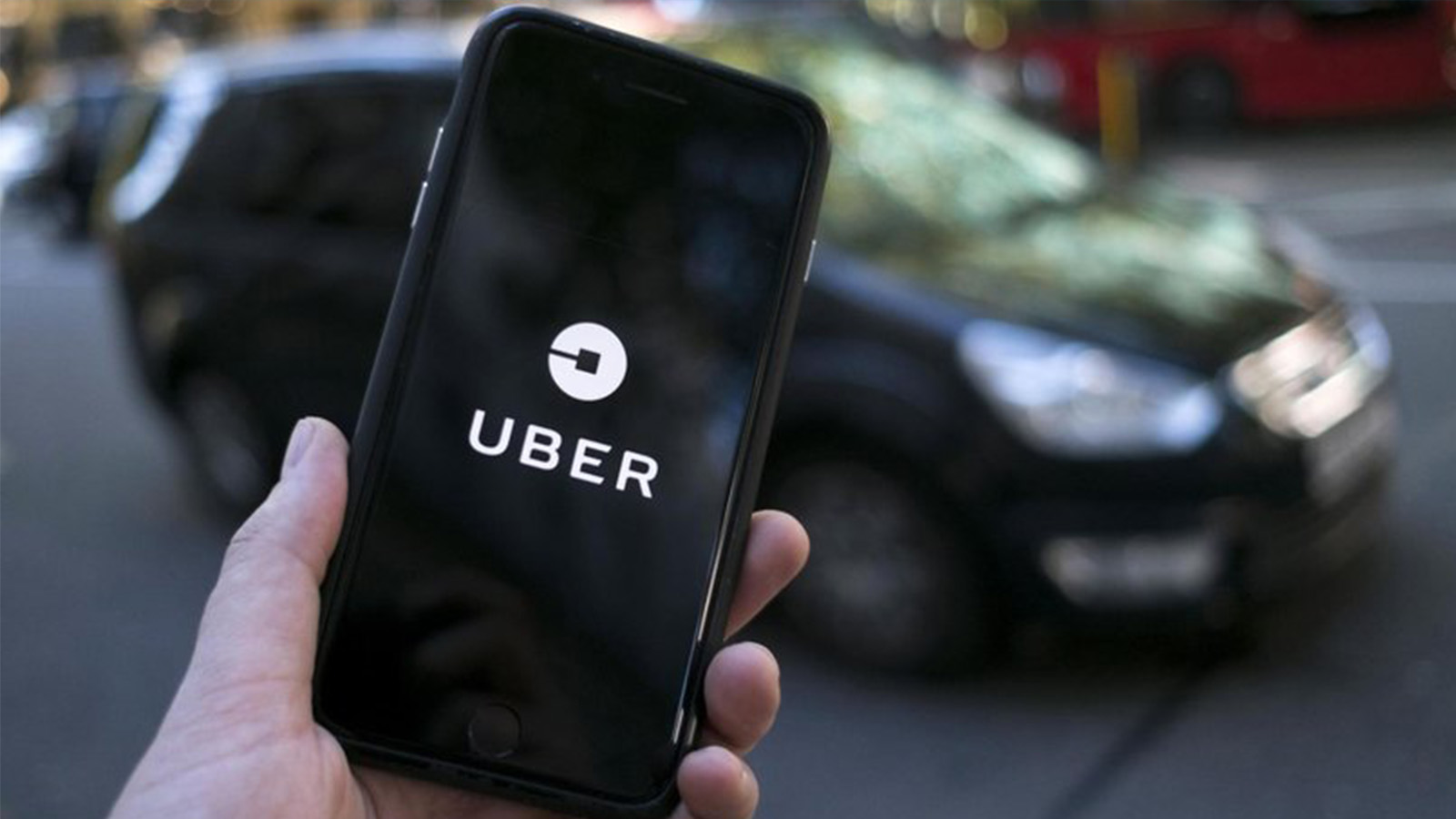
Uber Launches Shared Fixed-Route Rides, Expands Passes to Attract Budget-Conscious Riders

Uber Technologies is doubling down on affordability and flexibility with a slate of new services aimed at users seeking low-cost transportation options amid economic uncertainty and slowing revenue growth.

Unveiled on Wednesday, the new initiatives include:

  • Route Share: A shared, fixed-route ride option priced at half the cost of UberX.

  • Expanded Ride Passes: Broader availability of price-locking membership plans for both adults and teens.

These additions reflect Uber’s evolving strategy to boost rider volume, particularly in urban commute zones, while expanding predictable pricing tools to increase customer retention.

This is about making Uber more accessible for more people,” an Uber spokesperson said.

🔄 Route Share: Uber’s New Commute Solution

  • Pickups every 20 minutes along busy corridors.

  • Initially available in New York, San Francisco, and Chicago.

  • Operates during weekday rush hours.

  • Employer partnerships in the works to integrate pre-tax commuter benefits.

By mimicking the efficiency of transit with Uber convenience, Route Share targets daily commuters who are price-sensitive but want a comfortable alternative to buses and trains.

💳 Pass Expansion and Price Locking

  • Price Lock Pass: Initially launched at $2.99/month in select markets in February, now rolling out nationwide and into Brazil.

  • Helps riders lock in lower fares and predict transportation costs.

  • Expanded to Chicago, Dallas, San Francisco, and teen accounts later this year.

🚗 Autonomous and EV Developments

  • Uber’s partnership with Volkswagen will deploy thousands of ID. Buzz AD robotaxis in 2026.

  • Vehicles will support shared, self-driving taxi services in urban markets.

  • Uber is also scaling up its collaboration with Waymo in Austin, aiming to roll out hundreds of robotaxis in the coming months.

🧭 Strategic Outlook

As consumer spending tightens, Uber is:

  • Rebalancing growth strategies with cost-effective services.

  • Innovating around autonomy and electrification to future-proof its fleet.

  • Looking to retain users by improving value and consistency, especially for urban commuters and younger riders.

The affordability push places Uber in direct competition not only with traditional public transport, but with emerging micro-mobility platforms, as it works to be the default mobility app for everything from a quick trip to a daily commute.

Harvey AI in Talks to Raise $250M at $5 Billion Valuation Amid Explosive Growth

Harvey AI, a rising star in the generative AI space for legal services, is in advanced talks to raise over $250 million in new funding at a valuation of $5 billion, according to sources familiar with the matter. The round is being led by Kleiner Perkins and Coatue, with Sequoia Capital expected to increase its stake as well.

The proposed round marks a rapid jump in valuation from $3 billion just months ago, reflecting Harvey’s surging revenues and growing market dominance in the AI-for-legal sector.

Key Financial and Strategic Highlights

  • 📈 Annualized Revenue Run Rate:

    • $75 million in April 2025, up from $50 million earlier this yeara 50% increase within months.

  • 💼 Client Base:

    • Major growth fueled by partnerships with PwC and sales to in-house corporate legal teams.

  • 🧠 AI Platform:

    • Initially built on a custom OpenAI model, Harvey now integrates Anthropic and Google’s foundation models to broaden its capabilities.

  • 🧾 Core Services:

    • Document review, contract drafting, legal research, and specialized modules like M&A compliance.

Founded in 2022, Harvey has quickly risen to become one of the most prominent legal tech startups, capitalizing on the legal industry’s push toward automation, efficiency, and digital transformation.

Harvey is proving that AI isn’t just compatible with legal work — it’s redefining the future of the legal profession,” said one person familiar with the company’s pitch, requesting anonymity.

The VC Legal Tech Gold Rush

Investor interest in Harvey reflects a broader trend:

  • 📊 Legal tech startups raised $2.1 billion globally in 2024.

  • 💰 February 2025 marked one of the highest VC investment months in U.S. legal tech history.

  • 🧑‍⚖️ Goldman Sachs estimates that up to 44% of legal work could eventually be automateda stat that’s driving unprecedented VC confidence in legal AI platforms like Harvey.

The deal, once finalized, will deepen Kleiner Perkins’ commitment to Harvey, following its co-lead of the $80 million Series B round in December 2023.

This surge in funding highlights how generative AI is rapidly transforming even the most conservative sectors, with legal tech emerging as one of 2025’s hottest investment frontiers.