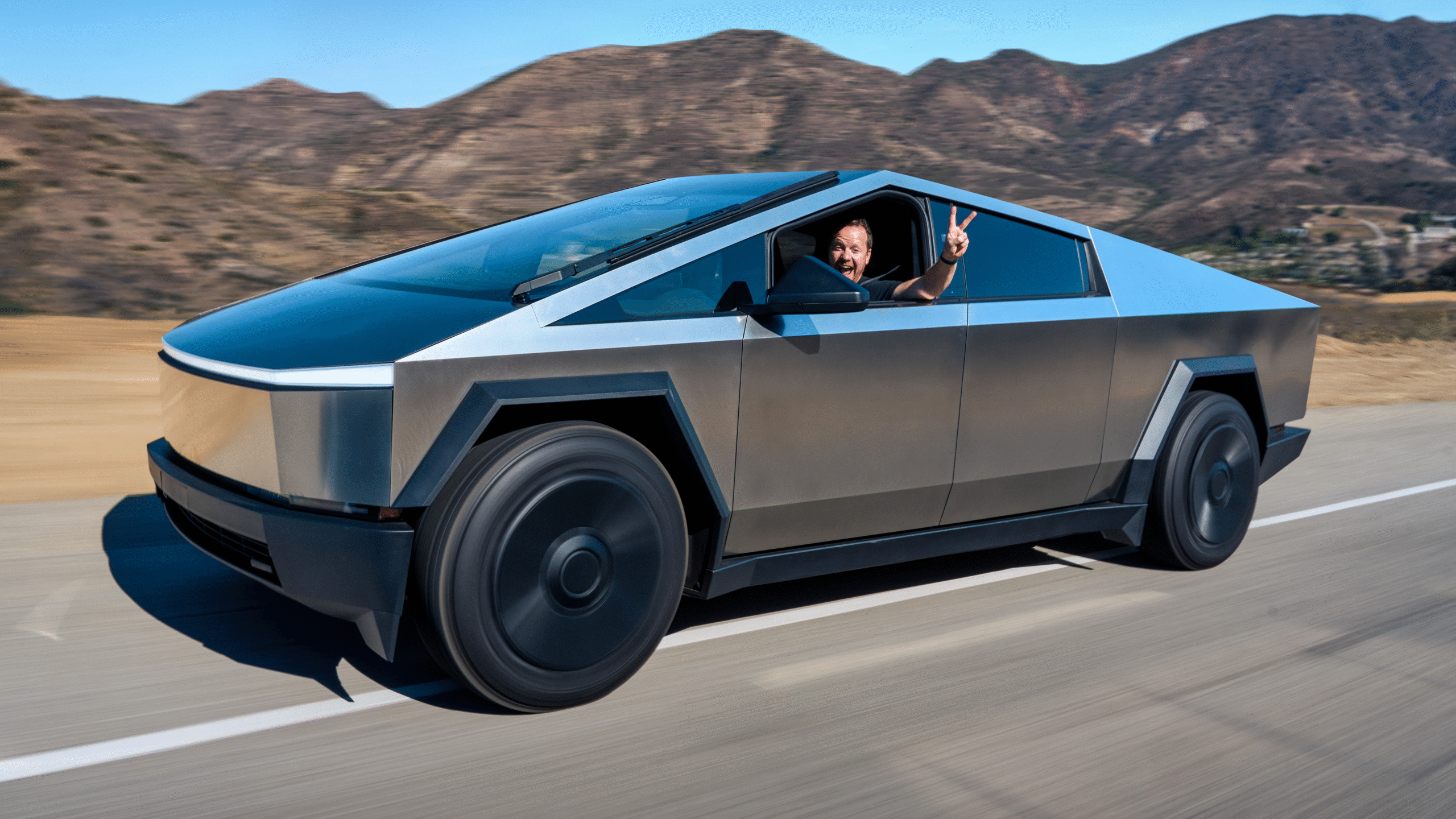
Tesla to Resume Shipping Chinese Parts for Cybercab, Semi After U.S.-China Tariff Truce

Tesla will resume shipping components from China to the U.S. later this month to support the production of its upcoming Cybercab and Semi truck models, according to a source familiar with the matter. The move follows a tariff truce between the U.S. and China reached over the weekend in Geneva, signaling a swift return to cross-border manufacturing cooperation after months of uncertainty.

The temporary resolution of the trade conflict prompted Tesla to reverse an earlier decision to halt component imports due to U.S. tariff hikes to 145% on Chinese goods, which had jeopardized the company’s production timelines for the two flagship vehicles.

Key Details:

  • Component shipments from China will resume by the end of May.

  • Tesla plans to begin trial production of the Cybercab and Semi in October, with mass production slated for 2026.

  • The Cybercab will be produced in Texas, while the Semi will be built in Nevada.

The truce saw the U.S. and China agree to roll back the bulk of tariffs and countermeasures, but sources warn the deal’s stability remains uncertain given the Trump administration’s unpredictable stance.

Tesla has not yet issued a public comment on the development.

Background and Industry Impact

Tesla had previously paused shipment plans, citing the potential cost burden from Trump’s tariff increases. The sudden rollback of trade barriers appears to be a direct response to high-level negotiations and business pressure. Tesla CEO Elon Musk, a known critic of protectionist trade policies, had personally lobbied for reduced tariffs.

I do believe in free trade and tariffs are a mistake,” Musk said on a recent earnings call, noting that the import duties were hurting Tesla’s capital investment plans.

Tesla CFO Vaibhav Taneja also emphasized that tariffs were slowing domestic factory expansions, as much of the necessary machinery and technology comes from Chinese suppliers.

Production Plans

  • The Cybercab is envisioned as a steering wheel-free robotaxi, priced below $30,000, and aimed at powering a future Tesla ride-hailing network.

  • The Semi, a long-haul electric truck, is years behind schedule, and Tesla now aims to ramp up production in 2026 to fulfill orders from clients like PepsiCo.

The tariff rollback provides Tesla with a critical window to import parts, maintain supply chain continuity, and accelerate next-generation product launches without additional pricing pressure or project delays.

Perplexity AI Partners with PayPal to Enable Seamless In-Chat Purchases

Perplexity AI announced on Wednesday a new partnership with PayPal that will allow users to make direct purchasesincluding booking travel or buying event tickets — within its AI-powered chat interface, marking a significant step forward in agentic commerce.

The collaboration, launching this summer in the U.S., will let users instantly check out via PayPal or Venmo, with payments and invoicing processed automatically through PayPal’s account-linking system. The experience will aim to eliminate passwords and reduce transactions to a single query or click.

This integration streamlines shopping to a level where AI agents not only recommend but complete the transaction for users,” Perplexity said in its statement.

Key Highlights:

  • 🔄 In-chat commerce: Perplexity Pro users can buy products, book flights, or purchase tickets without leaving the interface.

  • 🔐 Seamless checkout: PayPal’s backend will handle payments, offering a frictionless, secure experience.

  • 🌐 Global reach: The partnership could tap into PayPal’s 430+ million active users across nearly 200 markets.

  • 🚀 Part of agentic commerce boom: Perplexity is among the leaders in enabling AI agents that handle both search and transaction execution.

About Perplexity

Often compared to ChatGPT and Google Gemini, Perplexity AI delivers real-time search-based responses and is backed by prominent investors including:

  • Jeff Bezos (Amazon founder)

  • Nvidia

  • SoftBank Group

The company is reportedly in advanced talks to raise $500 million, with a projected valuation of $14 billion, according to the Wall Street Journal.

Industry Implications

This partnership highlights a new frontier for AI assistantsmoving from passive information providers to active transactional agents, capable of:

  • Navigating commercial tasks,

  • Handling purchases,

  • Managing billing and documentation in real time.

As Perplexity integrates with a global payment powerhouse like PayPal, it sets the stage for AI-powered commerce ecosystems that could reshape how consumers shop, book, and pay — all in a single chat window.

Waymo Recalls 1,200 Self-Driving Vehicles Over Barrier Collision Risks

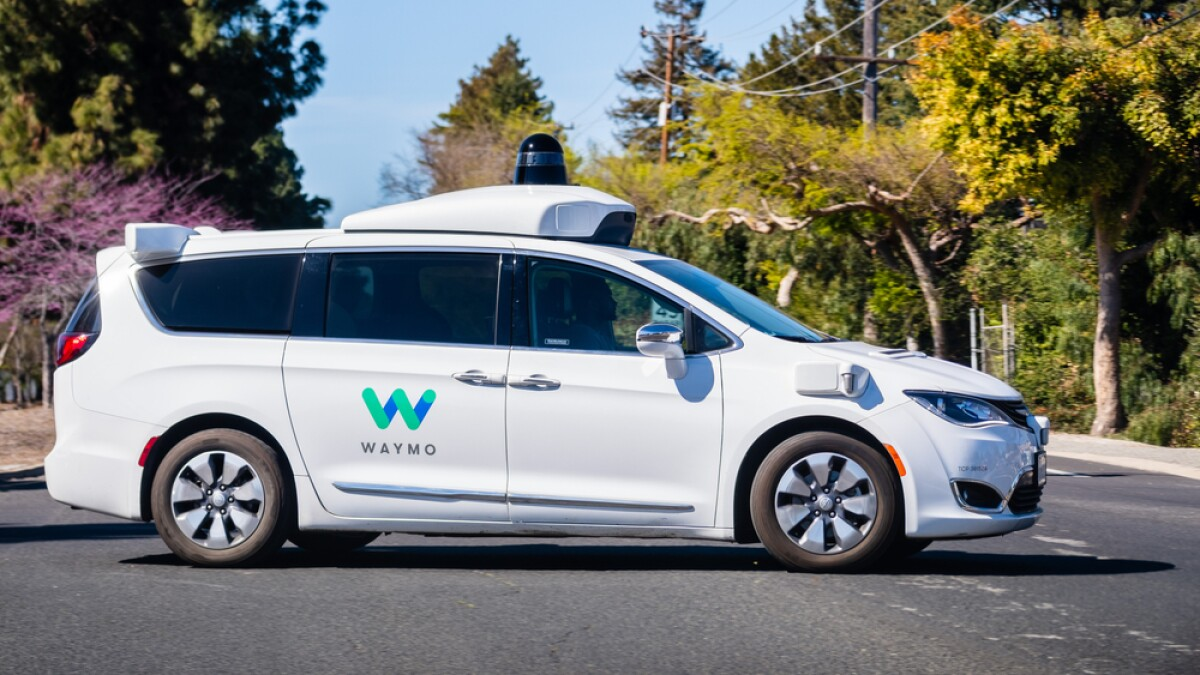
Waymo, Alphabet’s autonomous vehicle division, is recalling 1,212 self-driving vehicles in the U.S. to fix a software issue that led to minor collisions with chains, gates, and other stationary barriers, the company disclosed on Wednesday.

The recall follows a National Highway Traffic Safety Administration (NHTSA) probe initiated in May 2024, investigating reports that Waymo’s robotaxis had engaged in unsafe driving behaviors and failed to avoid clearly visible objects.

Key Details of the Recall:

  • Number of vehicles affected: 1,212 running the fifth-generation automated driving system.

  • Issue: Software misinterpretation of fixed road barriers, such as chains, poles, and gates.

  • Known incidents: 16 minor collisions (2022–late 2024), no injuries reported.

  • Resolution: A software update initiated in November 2024 and fully deployed by December.

  • Total Waymo fleet: Over 1,500 vehicles currently active in San Francisco, Los Angeles, Phoenix, and Austin.

  • Expansion plans: Services launching soon in Atlanta, Miami, and Washington, D.C.

Our record of reducing injuries over tens of millions of fully autonomous miles driven shows our technology is making roads safer,” Waymo said.

Ongoing Scrutiny

  • The NHTSA investigation remains open, focusing on multiple incidents where Waymo vehicles collided with obvious obstacles that a human driver would typically avoid.

  • In a similar trend, self-driving rivals like GM’s Cruise and Amazon’s Zoox have also been hit with recalls:

    • Cruise was penalized after a serious pedestrian injury in 2023, prompting GM to slash funding.

    • Zoox recalled 270 vehicles last week after a Las Vegas crash involving an unoccupied robotaxi.

Waymo’s Recent Recall History

  • February 2024: 444 vehicles recalled due to faulty predictions of towed vehicle movement.

  • June 2024: 670+ vehicles recalled after a collision with a wooden utility pole in Phoenix.

Despite the recent setbacks, Alphabet shares rose 4% on Wednesday, as investors focused on the broader AI and mobility potential of Waymo.

The recall underscores both the promise and fragility of autonomous driving technology, as companies balance innovation with public safety and regulatory compliance in increasingly complex urban environments.