
Warner Bros Discovery Revives HBO Max Branding to Boost Global Streaming Growth

Warner Bros Discovery (WBD) is bringing back the HBO Max brand this summer in a strategic U-turn designed to capitalize on HBO’s global reputation for premium content, the company announced on Wednesday.

The move comes just two years after WBD rebranded the service as Max, combining HBO’s high-end dramas with Discovery’s lifestyle programming in an effort to broaden its appeal. However, the rebranding faced backlash from consumers and industry insiders who felt the iconic HBO name was essential to the platform’s identity.

Today, we are bringing back HBO, the brand that represents the highest quality in media, to further accelerate that growth in the years ahead,” said CEO David Zaslav.

Why the Rebrand Matters

  • HBO’s name recognition remains unmatched in the prestige television space, with acclaimed titles like Game of Thrones, The Sopranos, and True Detective.

  • WBD hopes the rebrand will act as an implicit promise” of premium content, enhancing global subscriber trust and engagement.

  • The shift also comes as WBD targets international markets for streaming growth, including upcoming launches in the UK, Ireland, Italy, and Germany.

Industry Reaction

The 2023 decision to drop the HBO label surprised many, including Netflix co-CEO Ted Sarandos, who said in March:

I would have never guessed HBO would have gone away. They put all that effort into one thing that they can tell the consumer — it should be HBO.”

WBD had originally argued that blending HBO’s prestige titles with broader Discovery content under the Max brand would reduce subscriber churn by catering to diverse tastes. But the new strategy signals a renewed focus on premium branding as a growth engine.

Streaming Momentum

  • Q1 2024 Subscriber Growth: +5.3 million

  • Total Subscribers: 122.3 million

  • Target by 2026: 150+ million

Hit shows like The White Lotus and The Pitt have helped maintain subscriber momentum, particularly as WBD pivots away from its declining cable TV business.

The return to HBO Max marks a major brand restoration effort aimed at unifying content strength with international reach, as WBD continues to navigate a crowded and competitive streaming landscape.
In Tesla’s Footsteps, More Public Companies Consider ‘Dexit’ from Delaware

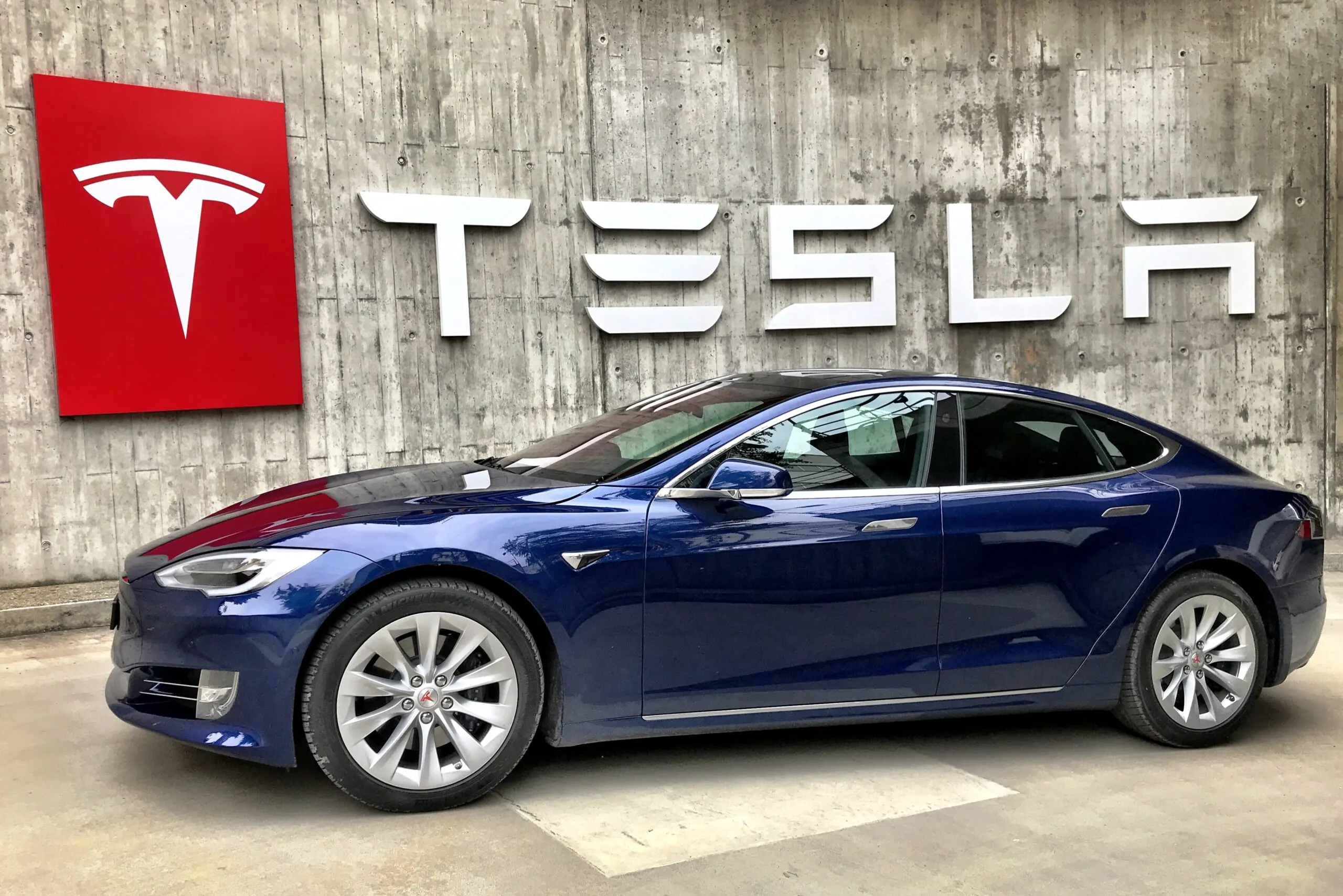
A growing number of billion-dollar public companies are seeking to exit Delaware as their legal home, in a movement dubbed “Dexit,” following Tesla’s high-profile reincorporation in Texas last year. According to a Reuters investigation, nine companies valued at over $1 billion each are scheduled to vote on reincorporation proposals in the coming weeks, signaling a potential shift in Corporate America’s longstanding relationship with Delaware.

Since 2023, at least five large companies, including Trump Media & Technology Group, Dropbox, and The Trade Desk, have moved their legal incorporation out of Delaware — primarily to states with less aggressive judicial oversight like Texas, Florida, and Nevada.

Why Companies Are Leaving

At the heart of the exodus is a perception that Delaware’s courts are becoming increasingly litigious and unpredictable, particularly for companies with founders or controlling shareholders. The tipping point came with Delaware’s 2023 court ruling voiding Elon Musk’s $56 billion Tesla pay package, leading Musk to post on X:

Never incorporate your company in the state of Delaware.”

That same day, Tesla and SpaceX began reincorporation proceedings in Texas.

Companies like Trump Media, now incorporated in Florida, cited Delaware’s “increasingly litigious environmentand pointed specifically to the Musk pay decision as a key reason for their move.

Who’s Next?

Among the companies voting on “Dexit” proposals:

  • Simon Property Groupseeking to move to Indiana (vote scheduled this week)

  • Robloxseeking to reincorporate in Nevada, citing legal predictability

  • Others unnamed but identified by Reuters as billion-dollar firms

Simon, notably, does not have a controlling shareholder, showing that dissatisfaction with Delaware’s legal climate may be spreading beyond founder-led companies.

The Legal Shift

Delaware courts have long applied strict scrutiny to deals involving controlling shareholders, requiring detailed proof of fairness. But other states like Nevada and Texas apply the business judgment rule, which limits shareholder lawsuits and allows greater deference to board decisions—even those involving self-dealingas long as there is no fraud.

It’s actually okay to engage in self-dealing, as long as you don’t lie about it,” said Columbia Law School Professor Eric Talley.

Delaware’s Response

Fearing financial repercussions—since over a third of Delaware’s budget comes from corporate fees—the state passed legislation in March 2024 to:

  • Restrict judicial review of certain corporate transactions

  • Limit shareholder access to corporate records like emails and texts

Despite these efforts, critics argue that Delaware judges are becoming “activist,” and the state’s commitment to holding insiders accountable could deter companies seeking minimal interference.

Delaware judges have become kind of activist in nature,” said Eric Lentell, general counsel at Archer Aviation, which is also considering a move to Texas.

Meanwhile, Texas Governor Greg Abbott just signed a pro-corporate law amendment allowing companies to set minimum ownership thresholds for shareholder lawsuitsa direct response to the Musk case, which was brought by a plaintiff owning just nine shares.

By the Numbers

  • In 2024, for the first time, more companies left Delaware than joined it, according to ISS-Corporate.

  • Yet, 62% of Russell 3000 companies were still incorporated in Delaware last year, up from 56% in 2020.

On the Richter scale, it’s not that high,” said UNLV law professor Benjamin Edwards, “but it’s still shaking the ground.”

As shareholder litigation becomes a key concern for founder-led and high-growth companies, Delaware’s hold as America’s corporate capital is facing its stiffest challenge in decades.

U.S. Smartphone Shipments Jump 30% in March Amid Tariff Fears, Apple Leads Surge

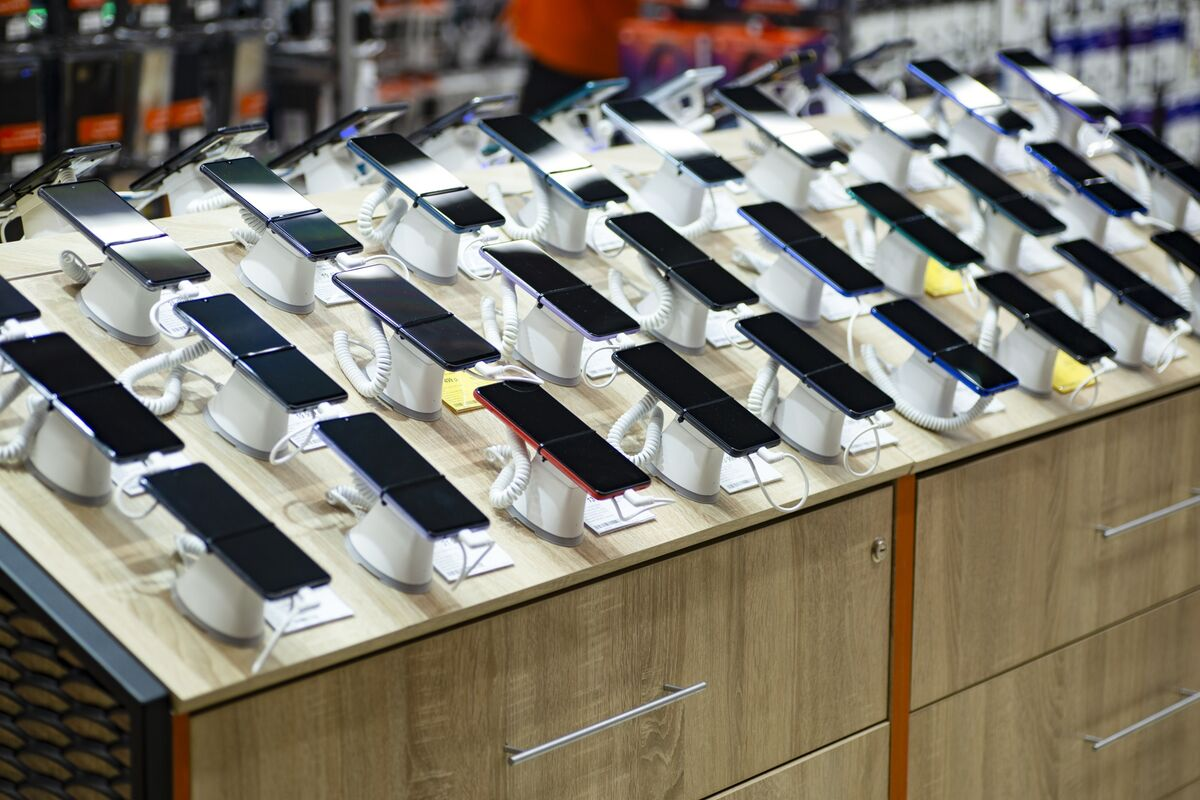
Smartphone shipments to the U.S. rose 30% in March, driven by manufacturers racing to beat anticipated import tariffs, according to Counterpoint Research. The surge reflects efforts by Apple, Samsung, and Motorola to shield profits and avoid potential price hikes that could deter demand if tariffs were enacted.

Apple Leads the Charge

Apple alone airlifted $2 billion worth of iPhones from India in March, leveraging its expanding supply chain relationships with Foxconn and Tata Electronics. The move underscores Apple’s broader strategy to diversify production away from China and tap into India as a major manufacturing hub.

The increase in shipments in March and early April will help insulate Apple from potential immediate pricing impacts in the U.S. through mid-to-late summer,” said Gerrit Schneemann, Senior Analyst at Counterpoint Research.

Why It Matters

  • The spike in shipments was a direct response to tariffs announced by President Donald Trump on April 2, which temporarily rattled electronics supply chains.

  • Though tariffs were later suspended for 90 days, companies acted quickly to move inventory ahead of any long-term impacts.

Strategic Supply Chain Shift

  • India’s role in smartphone exports to the U.S. has sharply increased, now accounting for 26% of Q1 shipments, up from 16% last year.

  • Apple has signaled that most iPhones sold in the U.S. during Q2 will be made in India.

  • Motorola, owned by Lenovo, nearly tripled its India-based exports to the U.S., further validating the region’s growing importance.

Key Shipment Stats (March 2024):

  • 📈 Apple: Sales to U.S. distributors and retailers +42%

  • 📈 Samsung: Sell-in growth +4%

  • 📈 Motorola: Exports to U.S. tripled

  • 🌍 India’s share of U.S. smartphone imports: 26% of Q1 total

Looking Ahead

Should the tariff dispute with China continue, analysts expect Apple to rely even more heavily on India for its next-generation iPhone 17 shipments bound for the U.S. market.

The March spike highlights how geopolitics, supply chain agility, and policy uncertainty continue to shape the global smartphone industry — with India and Vietnam rapidly emerging as critical production centers in the post-China era.