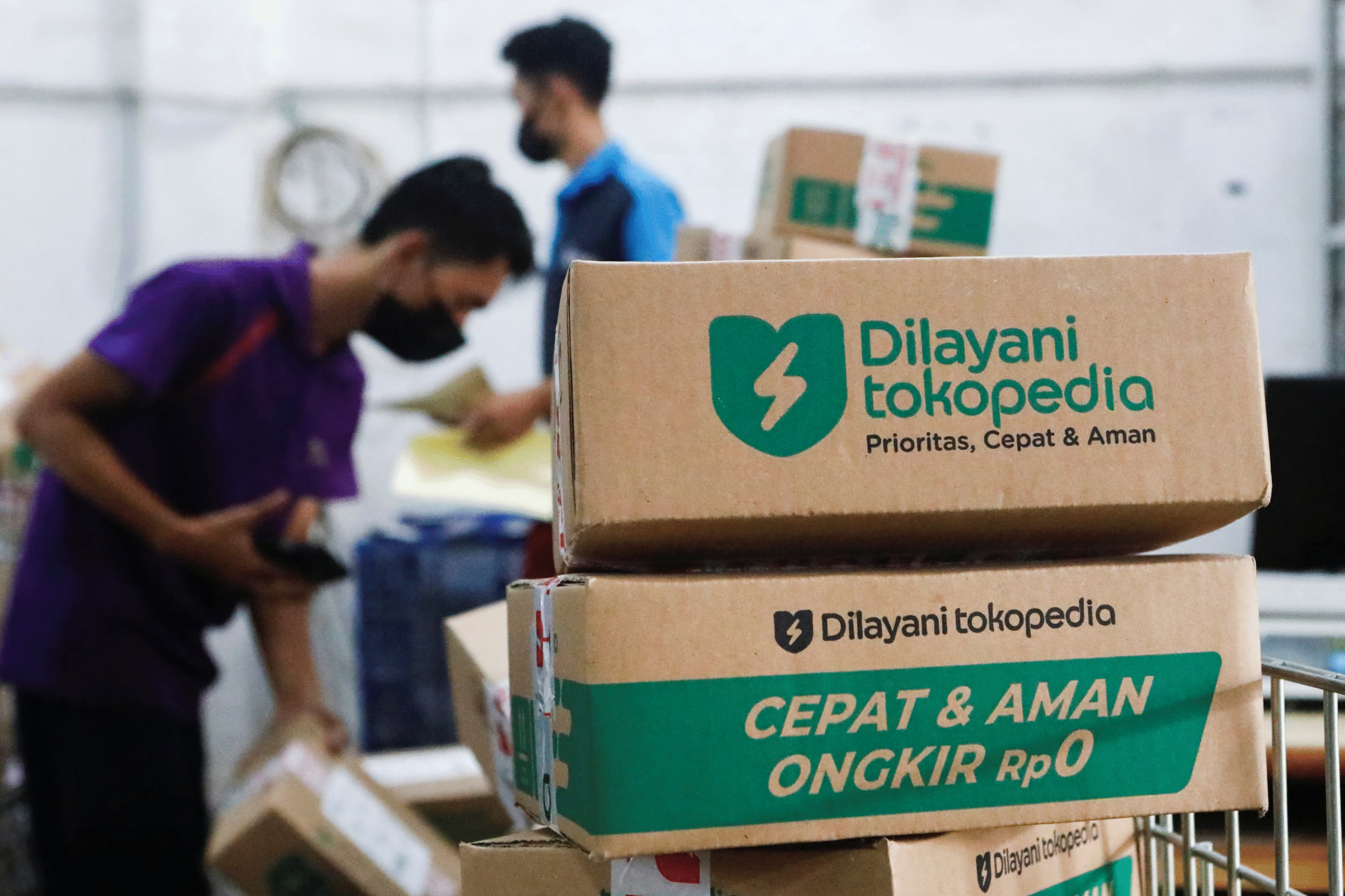
Indonesia Antitrust Agency Grants Conditional Approval for TikTok’s Tokopedia Acquisition

Indonesia’s antitrust authority, the KPPU, has given a conditional green light to TikTok’s $840 million acquisition of a 75.01% stake in Tokopedia, the country’s largest e-commerce platform. The deal, completed in January 2024, was previously scrutinized for potential monopoly risks.

The KPPU’s approval comes after TikTok and Tokopedia agreed to meet several conditions designed to safeguard fair competition. These include maintaining open access to payment and logistics services and prohibiting predatory pricing practices that could harm market fairness.

During its probe, the agency had flagged concerns over increased market concentration and the possibility of post-acquisition price hikes due to TikTok’s dominant position. The conditions aim to mitigate these risks and promote a balanced digital marketplace.

TikTok expressed respect for the KPPU’s decision and reiterated its commitment to fair competition principles. The KPPU will continue monitoring compliance with the conditions until June 17, 2027, retaining authority to impose sanctions if violations occur.
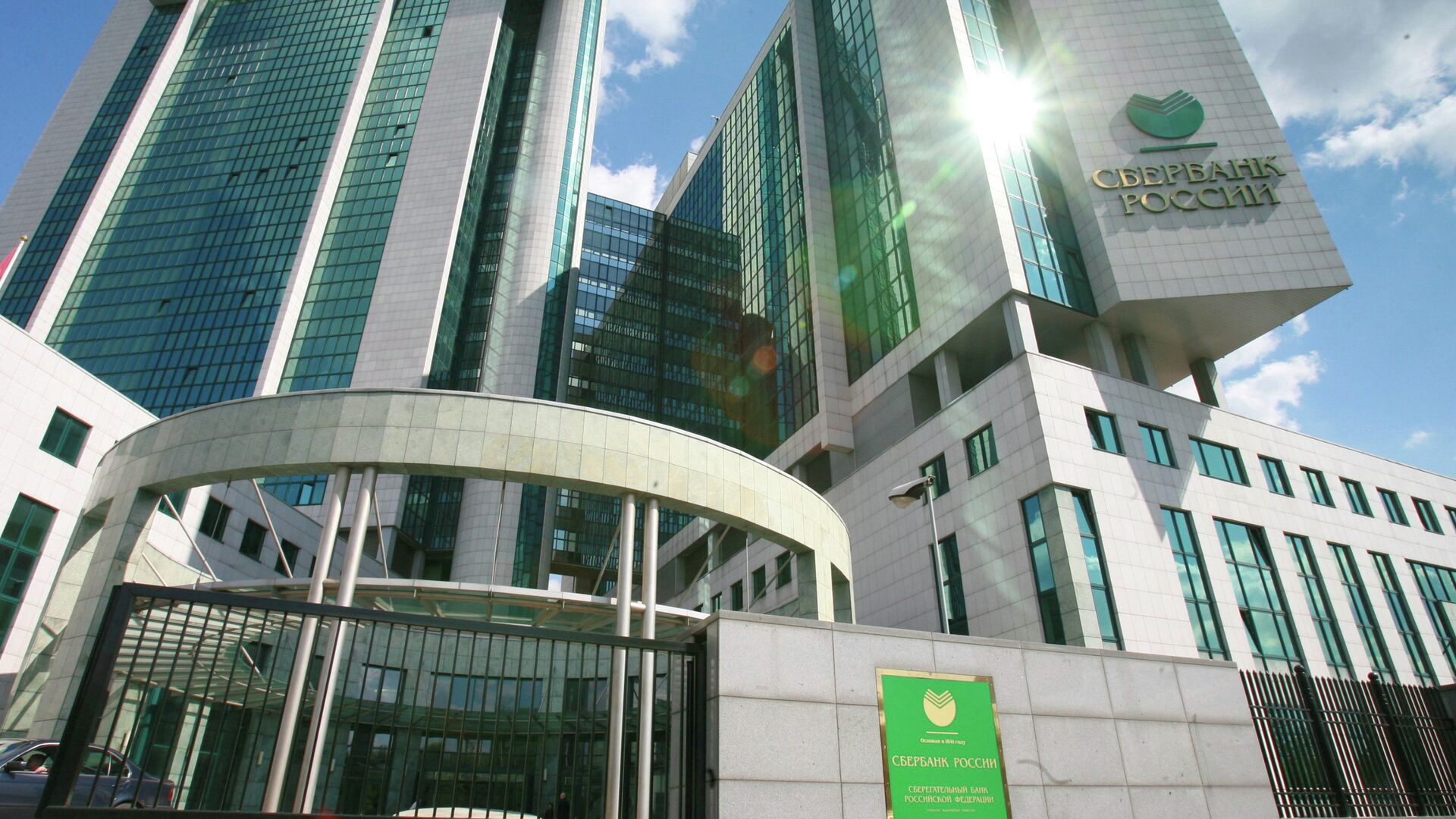

Russia’s Sberbank to Launch Advanced Reasoning Large Language Model

Russia’s largest bank, Sberbank, is preparing to release an upgraded version of its large language model (LLM) called GigaChat, which will feature reasoning capabilities capable of scientific research and solving complex problems, according to First Deputy CEO Alexander Vedyakhin. He revealed that he is currently testing the beta version of this new model.

The enhanced GigaChat aims to handle sophisticated tasks in areas such as science, coding, and mathematics, similar to advanced LLMs launched by global leaders like OpenAI. Despite trailing U.S. and Chinese AI developers by six to nine months, Sberbank’s use of domestic cloud infrastructure and localized language adaptation makes GigaChat especially attractive to Russian corporate users.

Currently, about 15,000 Russian companies employ Sberbank’s GigaChat. Meanwhile, Yandex, a key domestic AI competitor, recently announced reasoning capabilities in its search engine, highlighting the competitive AI landscape in Russia.

China Pushes Digital Yuan to Promote Multi-Polar Global Currency System

China’s central bank governor, Pan Gongsheng, announced plans to expand international use of the digital yuan (e-CNY) and called for developing a multi-polar global currency system during the Lujiazui Forum in Shanghai. This system would feature several dominant currencies competing with checks and balances, reducing reliance on the U.S. dollar and enhancing global financial stability.

To support this, China will establish an international operation centre for the digital yuan in Shanghai, aiming to boost the yuan’s role in global trade amid growing investor demand for alternatives to dollar-based assets. Pan highlighted vulnerabilities in traditional cross-border payment systems, which are prone to politicization and unilateral sanctions, positioning the digital yuan as a more resilient and efficient solution.

In a significant step, six foreign banks—including Standard Bank and First Abu Dhabi Bank—have agreed to adopt China’s Cross-Border Interbank Payment System (CIPS) for yuan-based international settlements, broadening the yuan’s footprint in global commerce.

China’s foreign exchange regulator emphasized maintaining a stable yuan exchange rate to shield against external shocks. Officials also pledged to further open China’s financial markets to foreign investors, promoting transparency and attracting international participation. With China’s fast-growing consumer market, foreign financial institutions are seen as key contributors to building a modernized financial system.

The move comes amid increasing global shifts away from the dollar, driven by U.S. tariff tensions and rising interest in cryptocurrencies and stablecoins as alternative stores of value.