
China to Launch New STAR Market Segment for Pre-Profit Growth Companies

China’s securities regulator announced plans to create a new segment within Shanghai’s tech-focused STAR Market designed specifically for pre-profit growth companies, aiming to bolster innovation amid rising China-U.S. tensions in trade and technology.

The upcoming “growth segment” will support companies that have yet to turn a profit but demonstrate significant technological breakthroughs, strong commercial potential, and substantial investment in research and development, according to guidelines from the China Securities Regulatory Commission (CSRC).

CSRC Chairman Wu Qing emphasized the need for robust capital market support for both tech giants and emerging startups, highlighting ongoing reforms to strengthen China’s financial ecosystem amid shifting global economic and trade dynamics.

The regulator will also establish mechanisms to bring in experienced institutional investors to the STAR Market, reinforcing its role as a platform to advance China’s strategic goal of achieving technological independence and global leadership.

The CSRC further pledged to facilitate listings from companies working on frontier technologies, including artificial intelligence and aerospace, aligning with China’s ambitions in cutting-edge sectors.

This move comes as many Chinese firms are considering public listings in Hong Kong, which is actively attracting new listings amid a recovering stock market environment.

Energy Majors Boost Gas Investments in Southeast Asia to Power Growing AI Data Centers

Major energy companies are significantly increasing investments in natural gas exploration and production across Malaysia and Indonesia to meet the surging electricity demand driven by expanding populations and a rise in data centers in Southeast Asia.

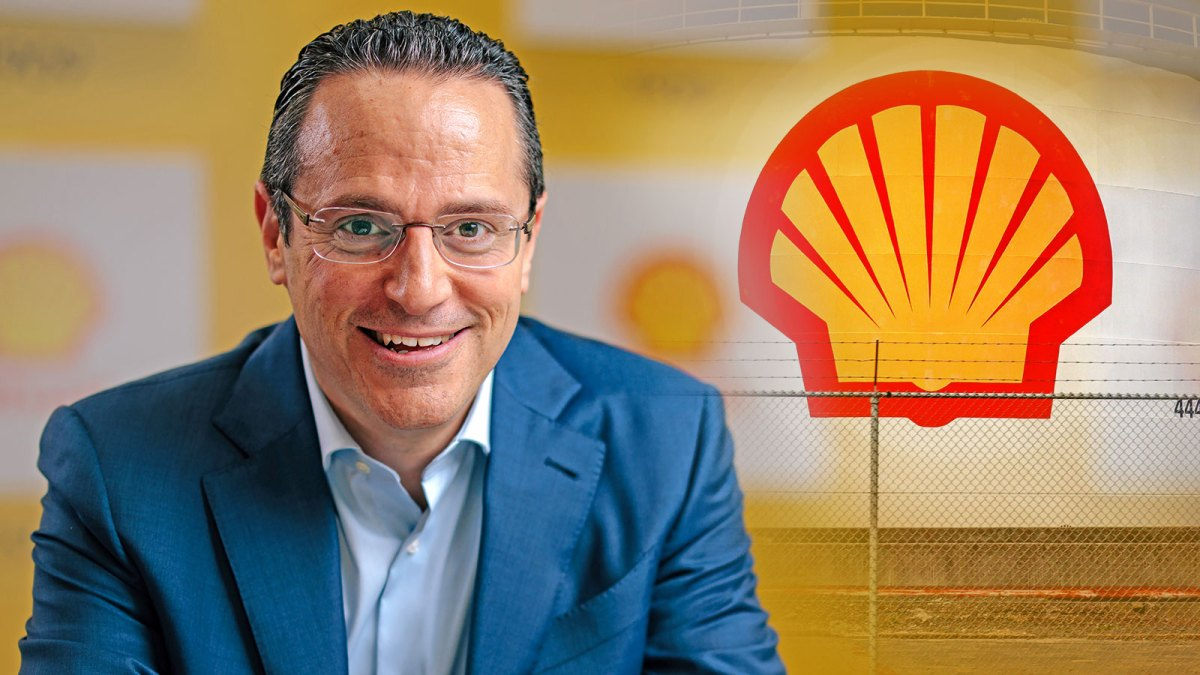
At the Energy Asia conference in Kuala Lumpur, Shell announced plans to invest an additional 9 billion ringgit ($2.12 billion) in Malaysia over the next two to three years to bolster gas production. Shell CEO Wael Sawan highlighted the urgent need to replace an expected 20% drop in regional gas output by 2035, identifying liquefied natural gas (LNG) as the most practical solution due to existing infrastructure.

French energy giant TotalEnergies recently expanded its stake in Malaysian gas assets through acquisitions from state-owned Petronas, emphasizing the region’s growing energy needs as population and industrial demand increase. Italian company Eni, together with Petronas, is preparing a joint venture to further develop gas fields in both Malaysia and Indonesia, with a formal agreement anticipated by year-end.

Japanese firm Inpex has reentered the Malaysian market, focusing on offshore exploration near Sarawak and Sabah while continuing work on Indonesia’s Abadi LNG project. CEO Takayuki Ueda noted that LNG demand will rise steadily until 2040 and possibly beyond, driven by local consumption strategies amid geopolitical uncertainties.

U.S.-based ConocoPhillips also plans investments in Malaysia’s Sabah region after withdrawing from a previous project in Sarawak, signaling continued interest in Southeast Asian gas development.

Natural gas and LNG are seen as vital fuels to replace coal-fired power plants and reduce emissions, while providing stable, reliable energy for the growing network of power-intensive data centers supporting artificial intelligence and cloud services.

Petronas CEO Tengku Muhammad Taufik Tengku Aziz confirmed the company is focused on meeting the expected doubling of global data center power demand to 945 terawatt hours by 2030, aligning energy strategies accordingly.

Energy expert Daniel Yergin of S&P Global emphasized that natural gas is becoming increasingly essential, stating countries cannot meet growing electricity needs and support data center growth without expanding gas production.

Sam Altman Reveals Meta Offered $100 Million Bonuses to Lure OpenAI Talent

OpenAI CEO Sam Altman disclosed that Meta has made massive $100 million bonus offers to some OpenAI employees as part of its aggressive strategy to build out its artificial intelligence capabilities. Speaking on the Uncapped podcast, Altman said Meta is trying to recruit top AI engineers with exceptionally large signing bonuses and compensation packages.

Despite the lucrative offers, Altman noted that none of OpenAI’s key talent have yet accepted Meta’s proposals. The move underscores the intense competition among tech giants to secure leading AI researchers amid a booming AI race.

Meta, which recently invested $14.3 billion in AI data-labeling firm Scale AI and hired its CEO Alexandr Wang to lead a new superintelligence unit, is looking to catch up with rivals like OpenAI and Google. The company has faced challenges including staff departures and delays in releasing open-source AI models.

Altman added that Meta views OpenAI as its “biggest competitor” in the AI space. Reuters could not independently verify the bonus claims and Meta has not commented.