Huawei Unveils Pura 80 Smartphone Series in Push for China Market Comeback

Huawei launched its new Pura 80 smartphone series on Wednesday, marking another milestone in the company’s effort to reclaim its leading position in China’s premium smartphone market amid ongoing U.S. sanctions.

The launch, streamed live and led by consumer business head Yu Chengdong, highlighted advanced camera features and AI capabilities but notably avoided discussing the device chips. The Pura 80 lineup consists of four models: Pura 80, Pura 80 Pro, Pura 80 Pro+, and Pura 80 Ultra, with prices ranging from 6,499 yuan ($905) for the Pro to 9,999 yuan for the Ultra model. The Pro and Pro+ launch on June 14, the Ultra on June 26, and the base model is expected in July.

Huawei’s XMAGE camera technology is a standout feature, incorporating ultra-wide-angle and macro telephoto lenses with AI that can recognize objects and offer information like tourist guides, enhancing user experience.

The company’s resurgence is intensifying competition with Apple, which has seen declining market share in China and has resorted to price cuts to boost sales. Huawei’s launches continue to generate significant buzz on Chinese social media, with mixed consumer reactions praising the phone’s design and camera while critiquing its premium pricing.

Huawei’s Pura 80 launch is closely watched as a gauge of the company’s resilience and innovation amid years of export restrictions that challenged its global smartphone business.
Japan Accelerates Move to Cashless Society, BOJ Pushes for Payment Innovation

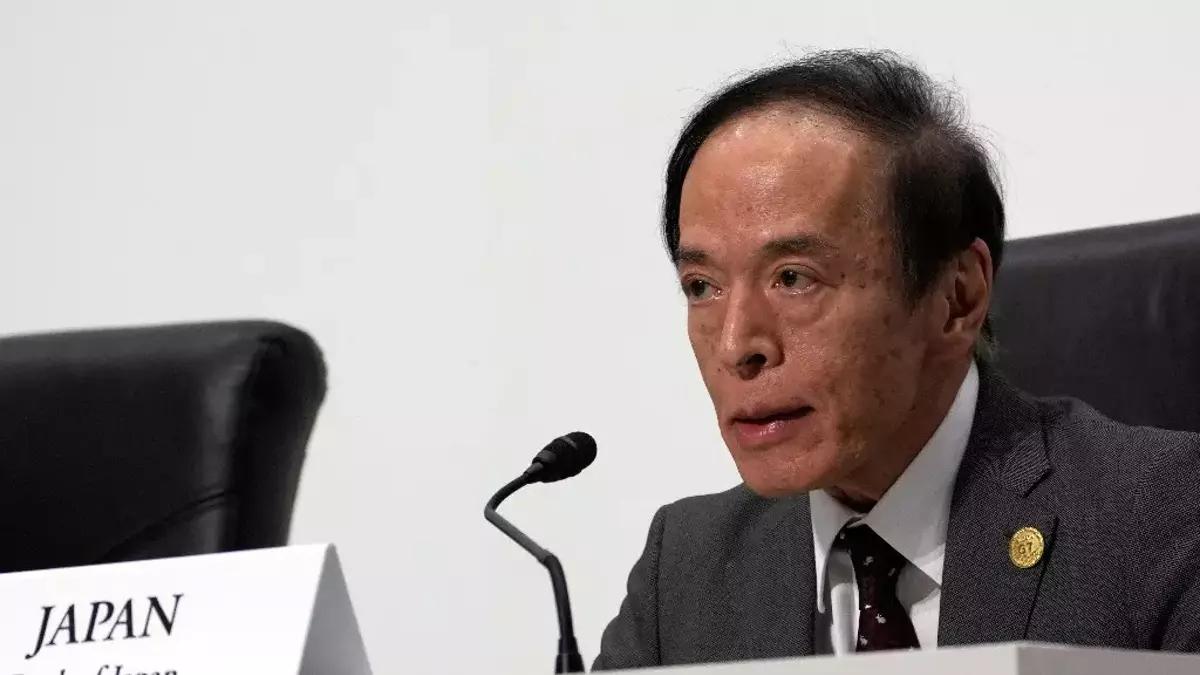
Japan is rapidly shifting towards a cashless society, prompting the Bank of Japan (BOJ) to intensify efforts to modernize the country’s payment systems. Cashless payments accounted for 42.8% of transactions in 2024, surpassing the government’s 40% target a year ahead of schedule and marking a significant jump from just 13.2% in 2010.

Traditionally reliant on physical currency, Japan’s growing cashless trend is pushing policymakers to adapt to changing consumer preferences, including the possible introduction of a central bank digital currency (CBDC). While no decision has been made on issuing a digital yen, the BOJ began a pilot program in 2023, collaborating with private firms and the government on its design and implementation.

BOJ Executive Director Kazushige Kamiyama highlighted concerns over potential future declines in banknote usage due to digitalization, emphasizing the need for a retail payment system that is efficient, accessible, and secure. Deputy Governor Shinichi Uchida echoed this, noting that a CBDC could become a crucial infrastructure for Japan’s payment landscape, but said cash is unlikely to disappear soon.

Uchida also warned that the yen’s dominance as a payment instrument depends on public trust in the BOJ’s ability to maintain price stability. Should confidence falter, alternative forms of payment, such as cryptocurrencies, could gain ground.

The focus on CBDCs is part of a global trend amid growing cryptocurrency use and moves by other nations. While the U.S. government banned the Federal Reserve from issuing a digital dollar earlier this year, the European Central Bank advocates for a digital euro to reduce reliance on U.S. payment providers. Meanwhile, China aggressively promotes its digital yuan internationally, with transaction volumes more than tripling from mid-2023 to mid-2024.

Japan’s push signals its determination to modernize payments and keep pace with global developments in digital currency and cashless transactions.

Tesla Aims to Launch Public Robotaxi Rides on June 22, CEO Musk Announces

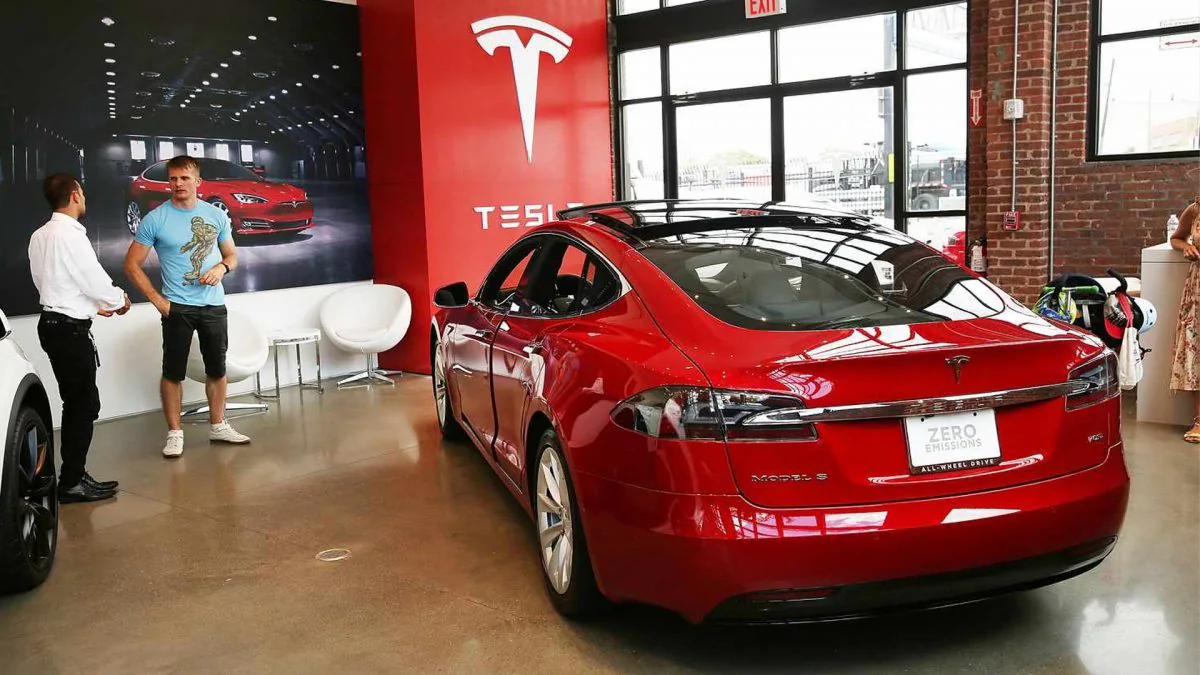
Tesla plans to begin offering public rides on its self-driving robotaxis starting June 22, CEO Elon Musk said Tuesday, marking a significant milestone in the company’s autonomous vehicle ambitions. The initial rollout will take place in Austin, Texas, with about 10 to 20 Model Y SUVs operating within a limited area under remote human supervision.

Musk emphasized Tesla’s cautious approach to safety, noting that the date might change as the company remains “super paranoid about safety.” He also revealed that starting June 28, Tesla vehicles will be able to autonomously drive themselves from the factory to customers’ homes.

This robotaxi service is critical for Tesla’s future as electric vehicle sales face increasing competition and controversies surrounding Musk, particularly his political views and associations. The company intends to expand the robotaxi service to other states later in the year, including California, which has more stringent autonomous vehicle regulations.

Tesla has been testing its Full Self-Driving (FSD) software in Austin, with Musk sharing videos showing Model Y vehicles navigating public streets without a human driver. However, details remain scarce about the exact operational zones, the level of remote oversight, or how consumers will access the service.