U.S. State Department Employs AI Chatbot ‘StateChat’ to Aid Selection of Promotion Panels

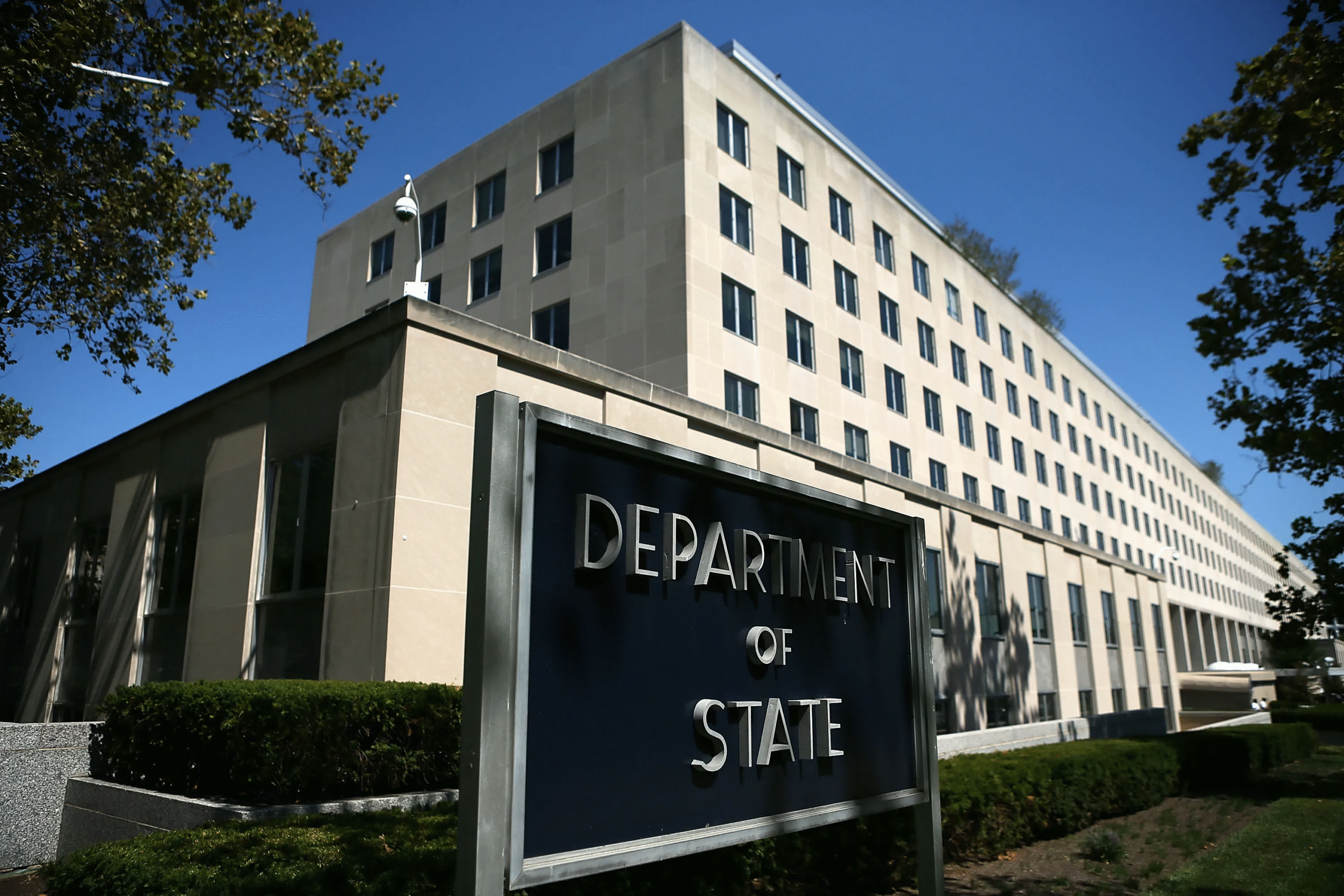
The U.S. State Department will use an AI chatbot named StateChat to assist in selecting members for its Foreign Service Selection Boards, which conduct annual reviews for promotions and personnel moves, according to a recently issued internal cable reviewed by Reuters.

StateChat, developed in-house with technology from Palantir and Microsoft, will help identify foreign service officers eligible to serve on these critical evaluation panels. However, the department clarified that the actual promotion evaluations will not be performed by AI.

The boards operate under the 1980 Foreign Service Act and are responsible for recommending career advancement of diplomats and staff, with legal mandates to ensure significant representation of women and minority groups.

StateChat has been in use since last year for tasks such as transcribing notes, drafting emails, and analyzing diplomatic communications. The cable disclosed for the first time that it would now also be applied to “perform unbiased selection” for panel membership, based on employees’ skill codes and grades. Candidates will then be screened for disciplinary or security concerns before finalizing the boards. The cable did not specifically mention measures to ensure gender or minority group representation.

The American Foreign Service Association, representing State Department employees, said it is seeking clarification on how AI-assisted selection will align with diversity and legal requirements.

The move comes amid broader expanded AI adoption in government under President Donald Trump’s administration, despite ongoing political criticism of diversity, equity, and inclusion (DEI) efforts within federal agencies.

Palantir and Microsoft have not commented on the deployment.

WPP Media Lowers 2025 Global Ad Revenue Growth Forecast to 6% Amid US Trade Uncertainty

WPP Media on Monday revised down its forecast for global advertising revenue growth in 2025 to 6%, from an earlier estimate of 7.7%, citing increased uncertainty over U.S. trade policies. Advertisers appear to be delaying new marketing commitments amid shifting trade dynamics, the report by WPP’s media investment division revealed.

Digital advertising remains a key revenue driver for major tech firms including Google (Alphabet), Meta Platforms, Pinterest, Reddit, and Snap. The report highlighted how economic uncertainty is accelerating the adoption of AI tools for ad creation and targeting. Meta, for instance, plans to enable brands to fully create and target ads using AI tools by the end of 2026.

Research from Emarketer also suggests companies reliant on traditional keyword-based search ads may face revenue declines due to the rise of AI-driven search advertising.

WPP Media projects global advertising revenue will reach $1.08 trillion in 2025, with growth moderating to 6.1% in 2026. Digital advertising is expected to represent 73.2% of total ad revenue this year. Notably, user-generated content is forecasted to generate more ad revenue than professionally produced content in 2025.

The report anticipates print advertising revenue will decline by 3.1% to $45.5 billion in 2025, while search ad revenue is forecast to grow by 7.3%.

WPP Media also noted shifting brand strategies, including prioritizing flexible ad contracts, reallocating budgets toward direct-to-consumer media placements, and emphasizing secure data handling amidst economic uncertainty.

The U.S. remains the largest advertising market, with an expected growth of 5.6% to $404.7 billion, followed by China and the UK.

United Natural Foods Cyber Incident Disrupts Operations, Affects Whole Foods Supply

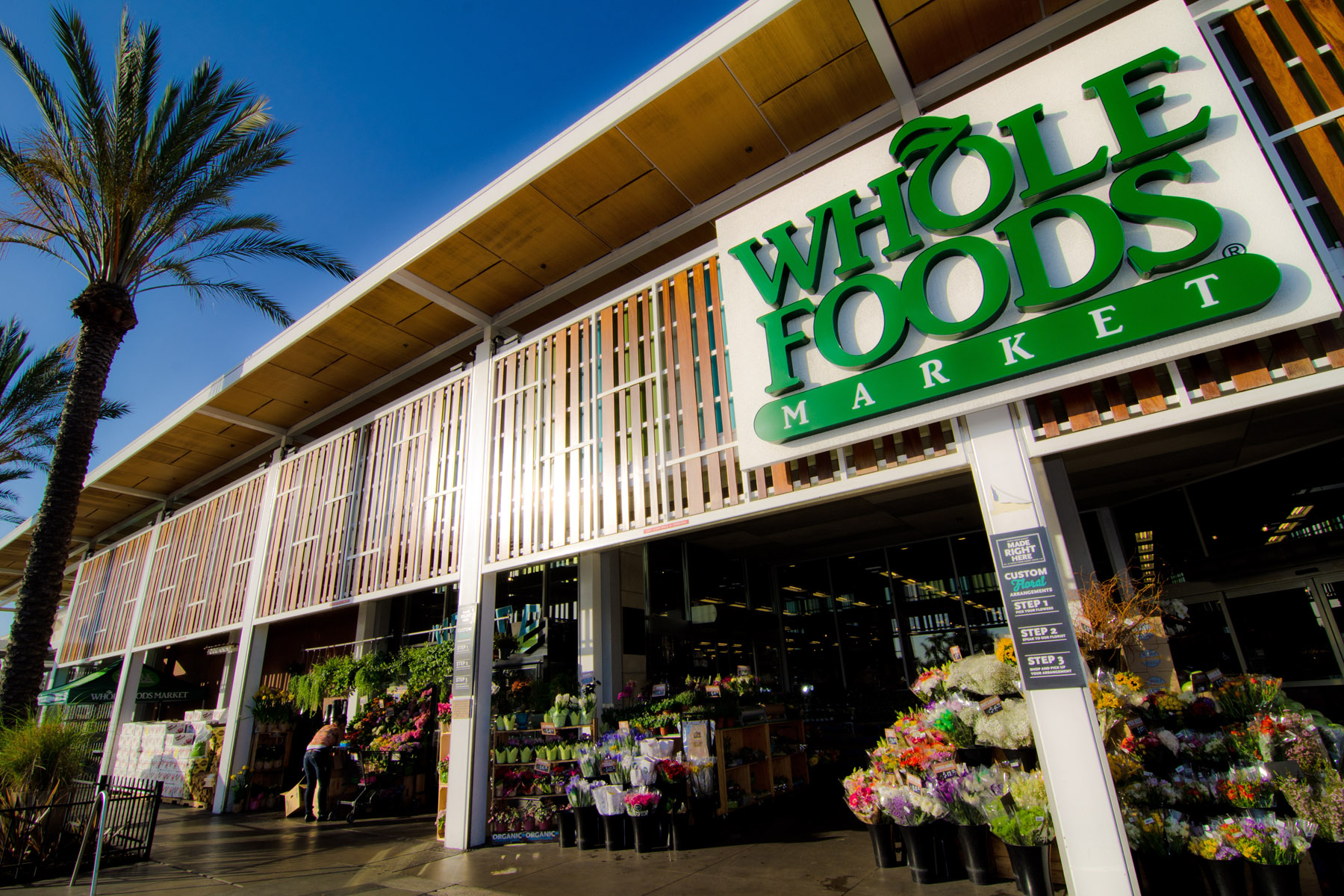
United Natural Foods Inc (UNFI), a major U.S. grocery distributor supplying clients including Whole Foods, experienced a cyber incident that forced it to take certain internal systems offline, temporarily disrupting its ability to fulfill and distribute customer orders.

The company disclosed in a June 9 SEC filing that it proactively shut down some systems after detecting unauthorized activity on its networks on June 5. While specifics of the incident were not disclosed, the disruption has caused operational delays expected to continue for a time.

Shares of United Natural fell sharply on Monday, closing down nearly 7% at $25.94 amid concerns over the incident’s impact.

A Whole Foods spokesperson confirmed efforts to restock shelves promptly but referred further questions to United Natural Foods.

This incident follows a series of recent cyberattacks affecting major retailers in the U.S. and UK, including Marks & Spencer, Co-op, Harrods, and Victoria’s Secret. While United Natural has not confirmed the nature of the unauthorized activity, similar disruptions have frequently involved ransomware attacks, where criminals encrypt company data and demand ransom payments.

United Natural Foods is the largest publicly traded distributor focused on “healthier food options” across the U.S. and Canada and recently secured an eight-year extension as primary distributor for Amazon-owned Whole Foods. The company reported $8.2 billion in net sales for the 13 weeks ending February 1, 2025.

The FBI has not commented on the incident.