Yageo Promises Technology Protection if Shibaura Acquisition Succeeds

Taiwanese chip component maker Yageo has pledged strict controls to prevent technology leaks if its bid to acquire Japan’s Shibaura Electronics succeeds, addressing Japanese national security concerns. Yageo’s Chairman Pierre Chen said the company will hold talks with Shibaura in mid-June in Tokyo to discuss cooperation plans.

Yageo, the world’s largest chip resistor producer, launched an unsolicited tender offer in February to gain full control of Shibaura, which specializes in thermistor technology. Yageo’s latest offer stands at 6,200 yen per share, valuing Shibaura at over 65 billion yen ($450 million), in a competitive bidding war against Japanese components supplier Minebea Mitsumi, which Shibaura selected as a “white knight.”

Chen emphasized that Yageo intends to invest heavily in research and development and expand Shibaura’s facilities in Japan. He assured regulators and the public that stringent safeguards would be in place to protect sensitive technology.

The acquisition aligns with Japan’s evolving approach to unsolicited takeovers, with 2023 M&A guidelines reducing resistance to such bids. Chen said discussions with Japan’s Ministry of Economy, Trade and Industry have progressed smoothly.

If successful, the deal would fill a gap in Yageo’s thermistor portfolio, enhancing product offerings for global customers. It would also ease supply chain management for major clients like Apple, Nvidia, and Tesla by providing a broader range of components from a single supplier.

Yageo is also a top global manufacturer of multilayer ceramic capacitors, crucial for devices such as Apple iPhones, Nvidia AI servers, and Tesla electric vehicles.
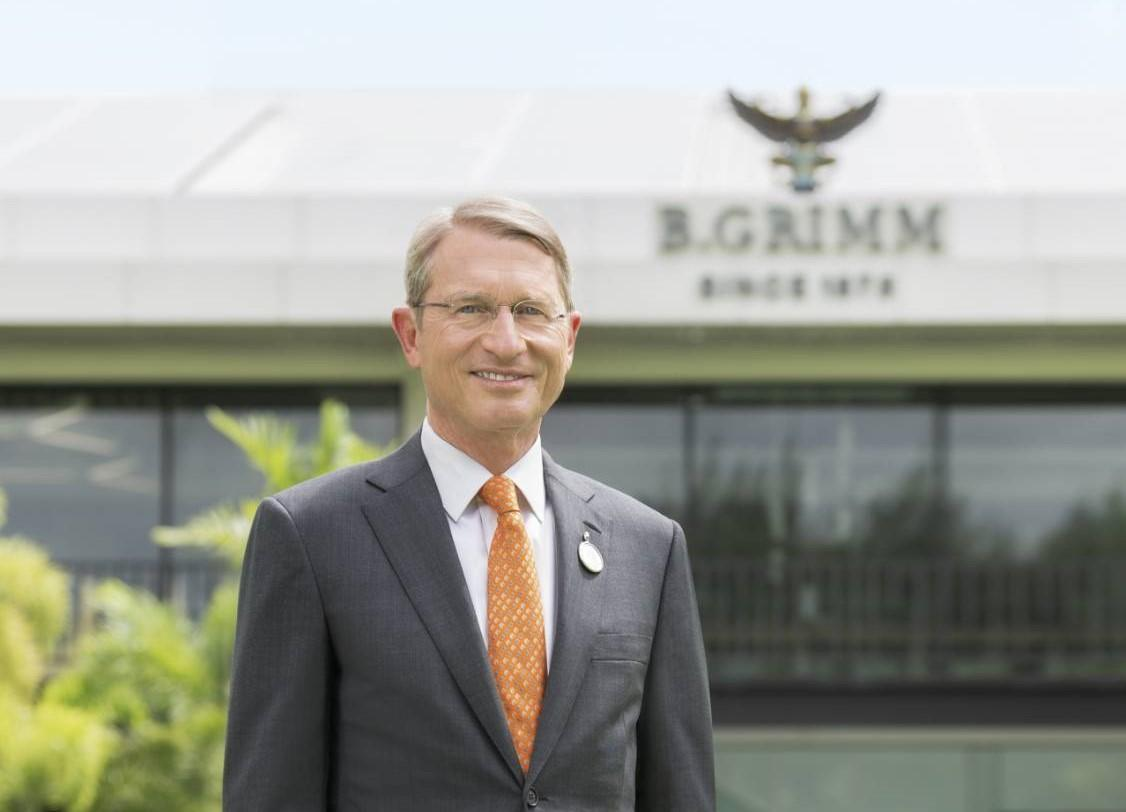
B. Grimm Power and Digital Edge to Invest $1 Billion in Thailand Data Centre

Thai energy firm B. Grimm Power Pcl and Singapore-based digital infrastructure company Digital Edge announced a joint investment of $1 billion to build a 100-megawatt data centre in Thailand. This project aims to meet rising demand for digital infrastructure powered by clean energy, driven in part by surging interest in artificial intelligence technologies across Southeast Asia.

Thailand, the region’s second-largest economy, has become a hotspot for tech giants investing heavily in data centres. Notably, TikTok’s parent company Bytedance plans to invest $8.8 billion over five years, while Google is also preparing to launch a $1 billion data centre facility in the country. Earlier this year, Thailand’s investment board approved $3 billion in investments specifically targeted at data centres and energy projects.

Microsoft last year announced plans for its first regional data centre in Thailand, further solidifying the country’s status as a growing digital hub.

B. Grimm Power and Digital Edge said construction will be “fast-tracked” to have the data centre operational by the fourth quarter of 2026, catering to global tech firms looking to expand AI infrastructure in Southeast Asia. Harald Link, Group President of B. Grimm Power, highlighted the synergy between renewable energy and advanced data centre technology, stating the project will support Thailand’s transformation into a regional AI and cloud innovation centre.

Tesla Shares Bounce Back After $152 Billion Drop Amid Musk-Trump Fallout

Tesla shares recovered nearly 4% on Friday following a steep $152 billion market value wipeout triggered by a public spat between CEO Elon Musk and former U.S. President Donald Trump. The clash erupted over Trump’s criticism of a tax and spending bill that threatens to end the $7,500 electric vehicle (EV) tax credit by 2025, a move Musk openly opposed.

Earlier reports suggested that Musk and Trump might hold talks to ease tensions, with Musk signaling openness to a détente on his social platform, X. However, a White House official indicated that Trump was not interested in engaging with Musk. In a CNN interview, Trump dismissed Musk, saying, “I’m not even thinking about Elon,” and described him as having “got a problem.”

The conflict escalated when Trump threatened to cut government contracts with Musk’s companies, including SpaceX. Analysts warn that this feud could pose multiple risks for Tesla, especially as regulatory bodies like the U.S. Transportation Department influence the future of autonomous vehicle production—a key part of Tesla’s ambitions.

Despite the recent volatility, Tesla shares remain highly valued, trading at roughly 120 times expected earnings—far above many automakers and tech giants such as Nvidia. The stock has fallen 26.9% year-to-date, with Thursday’s 14% plunge reflecting investor concerns over Musk’s increasingly polarizing political stance.

Since Musk publicly supported Trump’s 2024 presidential bid last July, Tesla’s stock has experienced wild swings. Initial optimism about reduced regulatory burdens for robotaxis gave way to softness in vehicle sales and brand damage related to Musk’s politics. While initial hopes were that strong sales among Republican voters would balance out losses from liberal consumers, experts now warn that Musk’s confrontational posture risks alienating both sides.

“By alienating Republicans, Musk risks losing any remaining support, potentially triggering a collapse in Tesla’s brand perception,” said Evan Roth Smith, political strategist and co-founder of Slingshot Strategies.

Tesla did not immediately respond to requests for comment.