US Senate Removes AI Regulation Ban from Trump Tax Bill in Overwhelming Vote

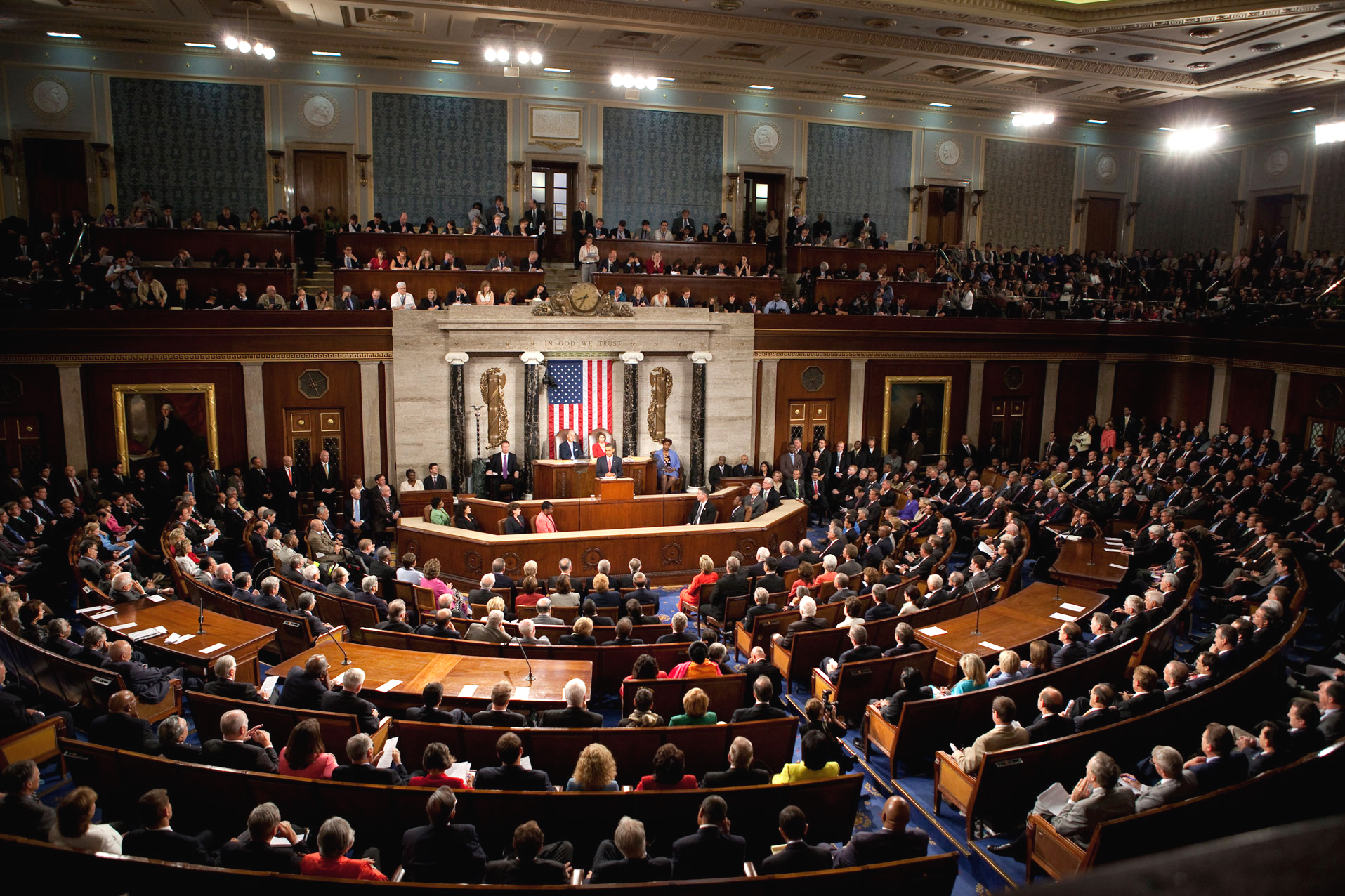
The Republican-controlled U.S. Senate voted 99-1 on Tuesday to eliminate a 10-year federal moratorium that would have prevented states from regulating artificial intelligence. This amendment, offered by Republican Senator Marsha Blackburn, was adopted during a lengthy “vote-a-rama” session on President Trump’s tax-cut and spending bill.

Only Senator Thom Tillis voted to keep the ban. The Senate later passed the broader tax legislation with a narrow 51-50 vote. The original bill sought to restrict states from accessing a $500 million fund for AI infrastructure if they imposed AI regulations.

Major AI companies like Google and OpenAI had supported the moratorium, arguing that a consistent federal approach would foster innovation without a patchwork of state rules. However, Democratic Senator Maria Cantwell opposed the ban, emphasizing the importance of state laws to protect consumers from risks like robocalls, deepfakes, and unsafe autonomous vehicles.

Seventeen Republican governors also called for abandoning the moratorium. Arkansas Governor Sarah Huckabee Sanders said the Senate’s decision would enable states to protect children from unregulated AI harms.

Blackburn introduced the amendment shortly after withdrawing support for a compromise that would have shortened the ban to five years and allowed limited state regulation on matters such as child safety and artist protections. She stated that until Congress enacts comprehensive federal legislation, states must retain the right to protect their citizens.
U.S. Judge Rules Huawei Must Face Criminal Charges in Technology Theft and Bank Fraud Case

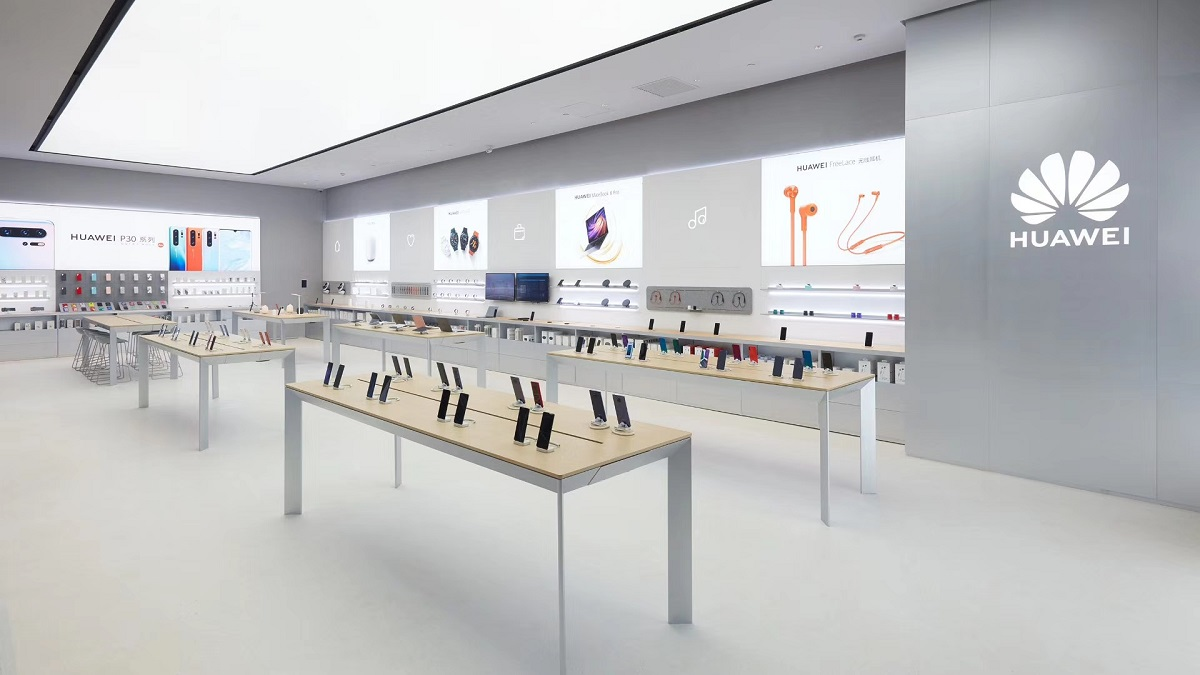
A federal judge in Brooklyn has rejected Huawei Technologies’ attempt to dismiss most charges in a U.S. criminal case accusing the Chinese telecom giant of stealing technology secrets and misleading banks about its activities in Iran. In a detailed 52-page ruling on Tuesday, U.S. District Judge Ann Donnelly upheld sufficient allegations from a 16-count indictment, including racketeering, theft of trade secrets from six companies, and bank fraud.

The indictment also alleges that Huawei covertly controlled Skycom, a Hong Kong-based company, which conducted business in Iran. Prosecutors claim Skycom operated effectively as Huawei’s Iranian subsidiary, benefiting indirectly from over $100 million transferred through the U.S. financial system in violation of sanctions.

Huawei has pleaded not guilty and sought to dismiss 13 counts, calling the case “a prosecutorial target in search of a crime.” The trial is set for May 4, 2026, and may last several months.

This high-profile case began in 2018 under the Trump administration’s China Initiative, which aimed to combat intellectual property theft by Chinese entities. Huawei’s CFO Meng Wanzhou, detained in Canada for nearly three years, had charges dismissed in 2022. The Biden administration ended the China Initiative amid criticism of racial profiling and chilling effects on research.

Huawei, headquartered in Shenzhen, operates in over 170 countries with approximately 208,000 employees. The U.S. has restricted Huawei’s access to American technology since 2019 over national security concerns, which Huawei denies.

Qantas Suffers Major Cyber Hack Affecting 6 Million Customer Accounts

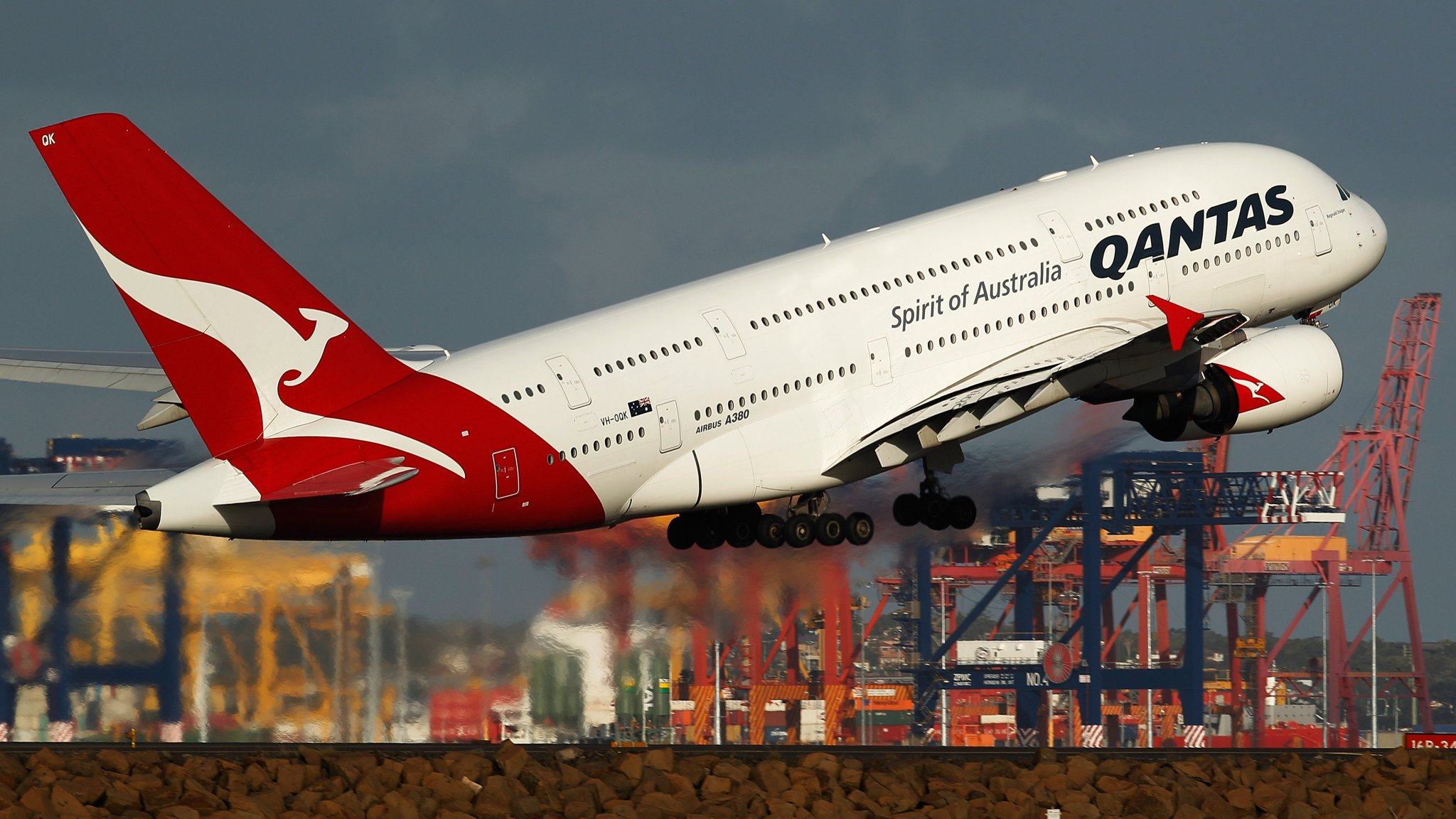
Australian airline Qantas revealed on Wednesday that a cyber hacker accessed a third-party customer service platform used by one of its call centres, compromising the personal data of approximately six million customers. The breach exposed names, email addresses, phone numbers, birth dates, and frequent flyer numbers, marking Australia’s most significant cyberattack in recent years.

Qantas has not disclosed the call centre’s location or the precise number of affected customers but confirmed the breach was discovered after detecting unusual activity. The airline is still investigating the full scope of the stolen data but expects it to be substantial. Importantly, Qantas stated that frequent flyer accounts, passwords, PINs, or login credentials were not accessed, and operations and safety were not impacted.

The incident occurs amid heightened cyber threats targeting airlines worldwide. The FBI recently reported that the hacker group Scattered Spider has targeted airlines such as Hawaiian Airlines and WestJet. While Qantas did not identify the attacker, cybersecurity experts warn that social engineering attacks on airline staff may be involved.

This breach brings unwelcome scrutiny to Qantas, which is recovering from a reputational crisis caused by controversies during the COVID-19 pandemic, including illegal staff layoffs and ticketing issues. Qantas CEO Vanessa Hudson acknowledged the seriousness of the breach and assured customers of the airline’s commitment to protecting personal information. Authorities including the Australian Cyber Security Centre, the Office of the Australian Information Commissioner, and the Australian Federal Police have been notified.

Qantas shares fell 2.4% in afternoon trading, while the overall market rose.