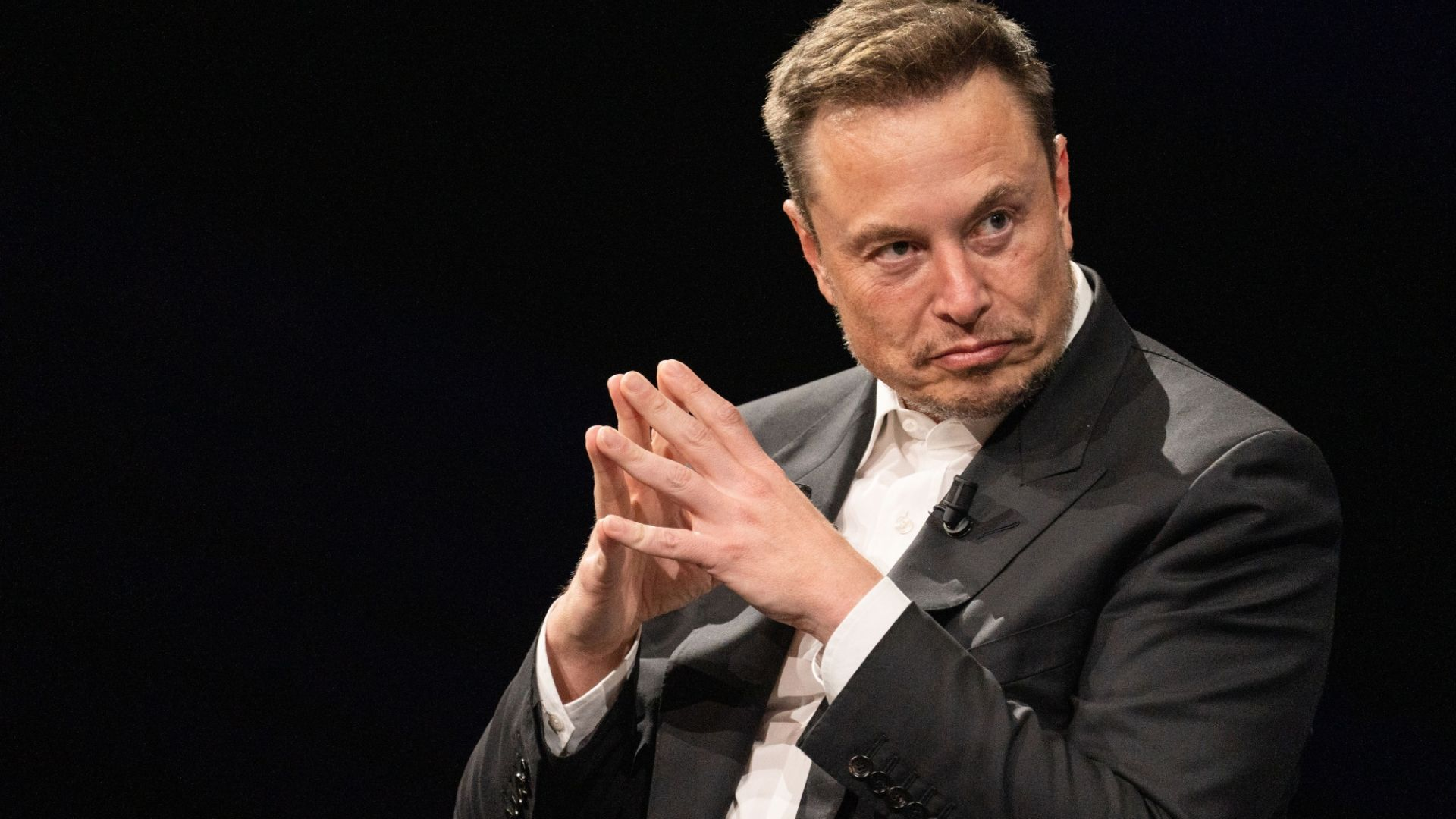
Musk Threatens Legal Action Against Apple Over App Store Rankings

Elon Musk announced on Monday that his AI startup xAI will pursue legal action against Apple, accusing the tech giant of violating antitrust rules by allegedly favoring OpenAI’s ChatGPT in App Store rankings.

Musk claimed Apple’s App Store policies make it “impossible for any AI company besides OpenAI to reach #1,” calling the practice a “clear antitrust violation.” At present, ChatGPT is ranked first in the U.S. App Store’s “Top Free Apps,” while xAI’s chatbot Grok stands in fifth place.

Musk also criticized Apple for not featuring X (formerly Twitter) or Grok in its “Must Have” section, despite X being the “#1 news app globally” and Grok ranking among the top five apps. He suggested Apple might be “playing politics” in its selection process.

Apple, OpenAI, and xAI did not respond to Reuters’ requests for comment. However, OpenAI CEO Sam Altman pushed back against Musk’s claims, pointing out the irony by referencing Musk’s own alleged efforts to manipulate X for personal advantage.

Community fact-checkers on X highlighted that other AI apps, such as China’s DeepSeek and Perplexity AI, have reached the top spot in the App Store this year, undermining Musk’s argument that only OpenAI benefits from Apple’s system.

The dispute comes amid increasing regulatory scrutiny of Apple’s App Store dominance. Earlier in 2024, the EU fined Apple €500 million ($581 million) for anti-competitive practices, ruling that the company’s restrictions prevented app developers from directing users outside the App Store ecosystem.

Musk’s challenge may add further pressure to global regulators already investigating Apple’s control over app distribution and its partnerships with AI companies.
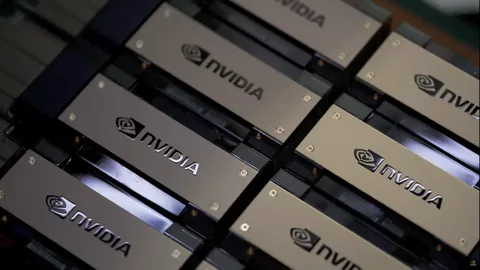
China Presses Tech Firms Over Nvidia H20 AI Chip Purchases Amid Security Concerns

Chinese regulators have questioned major domestic tech firms, including Tencent, ByteDance, and Baidu, over their purchases of Nvidia’s H20 AI chips, sources told Reuters. The Cyberspace Administration of China (CAC) and other agencies asked companies to justify why they were opting for U.S. chips instead of domestic alternatives and raised concerns that data submitted to Nvidia for U.S. government review could expose sensitive client information.

While Beijing has not issued a direct ban on Nvidia’s H20, companies were cautioned about its use in government-related or security-sensitive projects. Bloomberg earlier reported that firms received official notices discouraging reliance on the chip, while The Information claimed ByteDance, Alibaba, and Tencent were ordered to halt purchases outright. These reports could not be independently confirmed by Reuters.

Nvidia defended the H20, stressing it is “not a military product or for government infrastructure,” while noting China has never relied on U.S. chips for government operations. The chipmaker designed the H20 specifically for China after U.S. export curbs in late 2023 restricted sales of its most advanced processors. Although Washington briefly banned its sale this year, the Trump administration reversed the decision in July, restoring limited access.

The scrutiny threatens a key revenue source for Nvidia, which made $17 billion from China last fiscal year — about 13% of its global revenue. State media have recently amplified criticism, portraying the H20 as technologically inferior and a security risk. Meanwhile, Chinese chipmakers like Huawei are working to produce domestic AI processors rivaling Nvidia’s offerings, though U.S. sanctions on advanced equipment remain a hurdle for large-scale production.

The tensions underscore Beijing’s push for self-sufficiency in semiconductors as Washington weighs tighter controls. U.S. President Donald Trump has hinted he may allow Nvidia to sell a scaled-down version of its Blackwell AI chip in China, even as concerns grow over the military applications of advanced AI. At the same time, an unusual deal now requires Nvidia and AMD to share 15% of China chip sales revenue with the U.S. government.

Tencent Music Beats Q2 Estimates as Content Expansion Fuels Growth

Tencent Music Entertainment (1698.HK) reported stronger-than-expected second-quarter results on Tuesday, with revenue rising nearly 18% year-on-year to 8.44 billion yuan ($1.17 billion), surpassing analysts’ forecasts of 7.96 billion yuan. Shares of the U.S.-listed company jumped 6.6% in pre-market trading.

The growth was driven by an expanded content portfolio, including podcasts, audiobooks, and new music tie-ups that boosted user engagement and subscriber numbers. Tencent Music’s Super VIP program — which offers bundled services like high-quality audio, online karaoke, and exclusive events — has grown to around 15 million subscribers.

The company also expanded partnerships with global and domestic labels, striking first-time agreements with The Black Label and H MUSIC to tap into rising K-pop demand, while continuing collaborations with Chinese artists such as Wang Feng.

Revenue from music subscriptions climbed 17.1% to 4.38 billion yuan, offsetting an 8.5% decline in social entertainment services, which fell to 1.59 billion yuan. Tencent Music’s adjusted earnings reached 1.66 yuan per American Depository Share, beating expectations of 1.46 yuan.

In June, Tencent Music announced a $2.4 billion cash-and-stock deal to acquire Chinese audio platform Ximalaya, further strengthening its catalog and targeting deeper market penetration. Analysts at CFRA Research noted that product innovation, content diversification, and AI-driven personalization would likely support Tencent Music’s sustained growth trajectory.