Silicon Valley Startup Lyten Aims to Revive Europe’s Battery Ambitions by Acquiring Northvolt Assets

Lyten, a U.S.-based startup specializing in lithium-sulphur battery technology, announced it will acquire the remaining assets of bankrupt European battery maker Northvolt in Sweden and Germany. This move could rekindle hopes for building a robust European electric vehicle (EV) battery industry and reduce dependency on Chinese suppliers.

About Lyten:
Founded in 2015 in California, Lyten began in a shipping container and has since attracted major backers including Stellantis, the parent of Chrysler, and logistics giant FedEx. The company develops lithium-sulphur battery cells, a promising alternative to conventional lithium-ion batteries. In 2024, Lyten unveiled plans to build the world’s first lithium-sulphur battery gigafactory in Reno, Nevada, with an investment exceeding $1 billion. Over the past year, Lyten has also acquired Northvolt’s U.S. R&D hub and Europe’s largest energy storage systems factory.

Northvolt’s Collapse:
Sweden’s Northvolt entered U.S. Chapter 11 bankruptcy in 2024 after struggling to scale production at its main plant despite strong demand and backing from automakers like BMW, Volkswagen, Volvo Cars, and Audi. The company once held a $50 billion order book, but bankruptcy wiped this out. Northvolt had raised over $10 billion since its founding in 2016 and employed over 6,000 people at its peak. Volkswagen and Goldman Sachs were among its largest shareholders.

Significance of Lithium-Sulphur Batteries:
Lithium-sulphur technology is seen as a game-changer for EV batteries because it can be up to two-thirds cheaper than lithium-ion cells. Unlike lithium-ion batteries, lithium-sulphur cells avoid costly and supply-concentrated materials like nickel, cobalt, and manganese, many of which are predominantly sourced from China. This makes lithium-sulphur batteries potentially cheaper and more sustainable.

Backers of Lyten:
Lyten has secured more than $625 million in funding from investors such as Stellantis, FedEx, Honeywell, Boeing and Airbus suppliers, venture capital firm Prime Movers Lab, and Canadian mining company Wallbridge.

Ripple to Acquire Stablecoin Payments Platform Rail for $200 Million to Expand Market Leadership

Ripple announced plans to acquire Rail, a Toronto-based stablecoin payments platform, for $200 million in a deal expected to close in Q4 2025 pending regulatory approval. The acquisition aims to enhance Ripple’s stablecoin infrastructure and strengthen its position in cross-border stablecoin payments.

Rail, backed by Galaxy Ventures and Accomplice, facilitates cross-border payments using stablecoins, boasting faster settlement times and lower transaction costs compared to traditional fiat payments. Rail currently processes around 10% of global stablecoin payment volume.

Ripple, closely associated with the XRP token and its own stablecoin RLUSD, highlighted that integrating Rail’s technology will bring virtual accounts and automated back-office operations to its payment solutions. Monica Long, Ripple’s president, emphasized that clearer regulations and market maturity have created ripe conditions for growth in stablecoin payments.

This move follows a recent U.S. law signed by President Donald Trump establishing a federal regulatory framework for stablecoins, potentially accelerating mainstream adoption of digital assets for everyday payments.

Ripple also disclosed an earlier acquisition plan for Hidden Road, a multi-asset prime broker, in a $1.25 billion deal intended to boost RLUSD’s utility.

RLUSD, launched last year, currently has a market cap exceeding $611 million, competing with dominant stablecoins like Tether and Circle’s USDC.

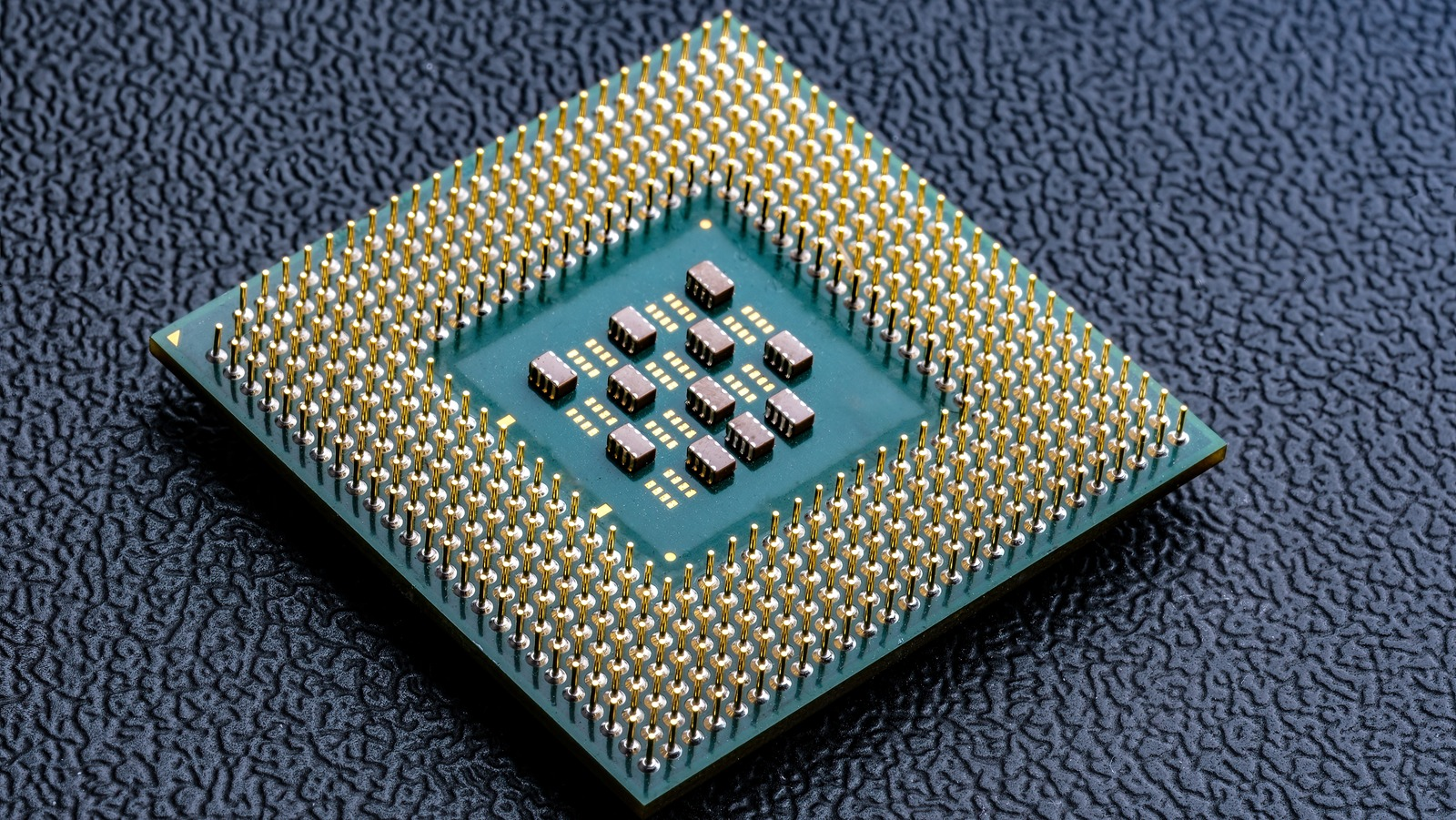
Trump Announces Proposed 100% Tariff on Imported Semiconductors, With Exemptions for U.S.-Based Manufacturers

President Donald Trump announced plans to impose a roughly 100% tariff on imported semiconductor chips, aiming to incentivize companies to manufacture in the United States. However, firms that have committed to or are already producing chips on U.S. soil—such as Apple, which pledged an additional $100 billion investment in America—would be exempt from the tariff.

Trump warned that companies making false commitments to build U.S. factories would face retroactive charges if they fail to deliver. His remarks were informal and details on implementation remain unclear, with a formal national security investigation on tariffs expected to conclude by mid-August.

Reactions from the global semiconductor industry and governments varied. South Korea’s trade envoy confirmed that major chipmakers Samsung Electronics and SK Hynix will be exempt under a U.S.-South Korea trade deal. In contrast, officials from the Philippines and Malaysia expressed concern that tariffs would severely harm their industries, risking competitiveness in the U.S. market.

Taiwanese companies, notably TSMC, which have established U.S. manufacturing facilities or partnerships, are expected to avoid significant impact. This benefits key U.S. customers like Nvidia, which plans major investments in American chip production.

Experts note that the tariffs favor large, financially strong firms able to build factories domestically, emphasizing a “survival of the biggest” dynamic. The U.S. government has supported this shift with a $52.7 billion semiconductor subsidy program to boost domestic chip production, which currently accounts for about 12% of global output, down from 40% in 1990.

The European Union has agreed to a 15% tariff on most U.S. exports, including chips, and Japan secured assurances against worse tariffs than other nations on semiconductor products.

Following the announcement, shares of Asian chipmakers with U.S. manufacturing plans rose significantly, reflecting market optimism over tariff exemptions.