
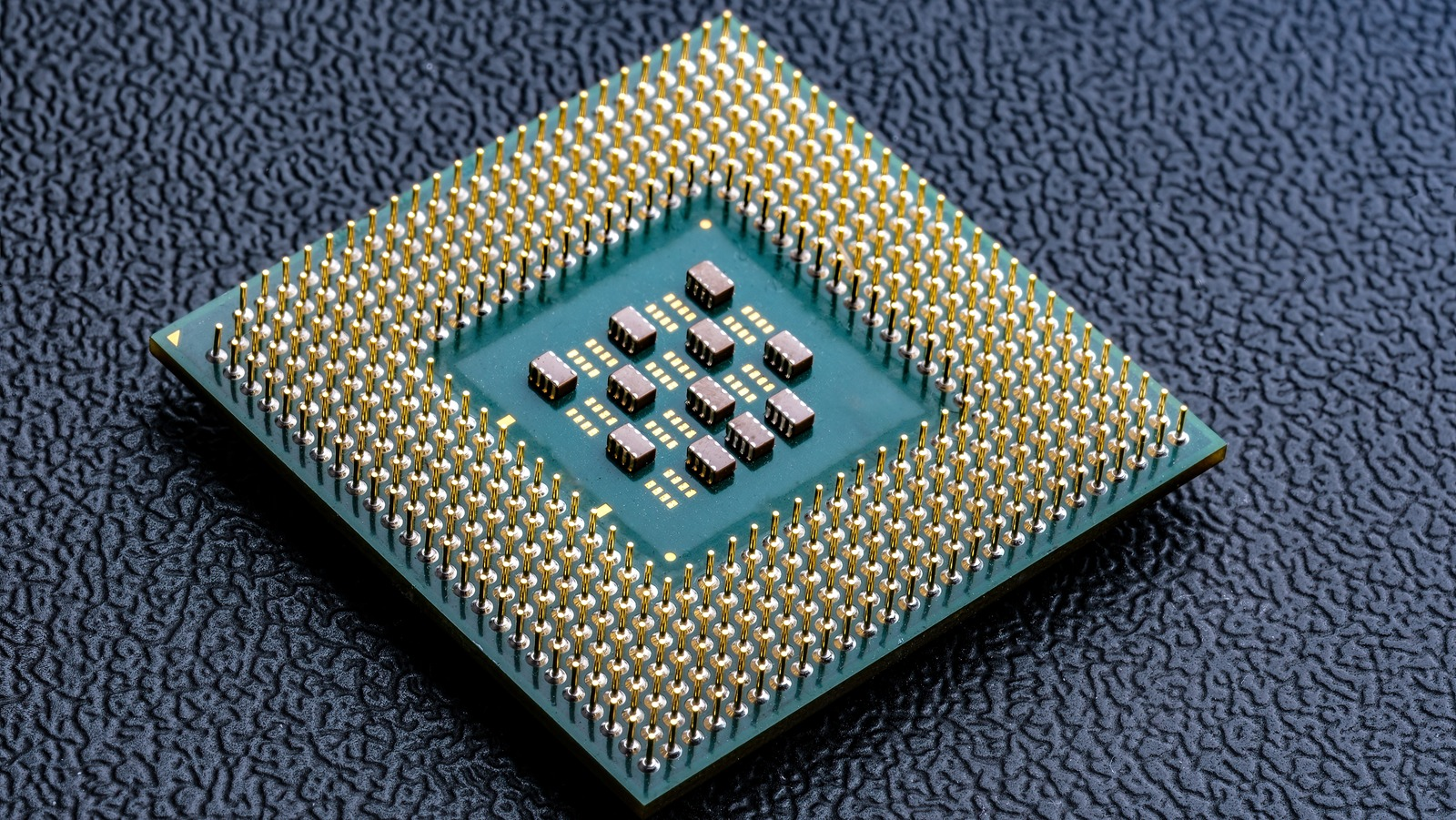
President Donald Trump announced plans to impose a roughly 100% tariff on imported semiconductor chips, aiming to incentivize companies to manufacture in the United States. However, firms that have committed to or are already producing chips on U.S. soil—such as Apple, which pledged an additional $100 billion investment in America—would be exempt from the tariff.
Trump warned that companies making false commitments to build U.S. factories would face retroactive charges if they fail to deliver. His remarks were informal and details on implementation remain unclear, with a formal national security investigation on tariffs expected to conclude by mid-August.
Reactions from the global semiconductor industry and governments varied. South Korea’s trade envoy confirmed that major chipmakers Samsung Electronics and SK Hynix will be exempt under a U.S.-South Korea trade deal. In contrast, officials from the Philippines and Malaysia expressed concern that tariffs would severely harm their industries, risking competitiveness in the U.S. market.
Taiwanese companies, notably TSMC, which have established U.S. manufacturing facilities or partnerships, are expected to avoid significant impact. This benefits key U.S. customers like Nvidia, which plans major investments in American chip production.
Experts note that the tariffs favor large, financially strong firms able to build factories domestically, emphasizing a “survival of the biggest” dynamic. The U.S. government has supported this shift with a $52.7 billion semiconductor subsidy program to boost domestic chip production, which currently accounts for about 12% of global output, down from 40% in 1990.
The European Union has agreed to a 15% tariff on most U.S. exports, including chips, and Japan secured assurances against worse tariffs than other nations on semiconductor products.
Following the announcement, shares of Asian chipmakers with U.S. manufacturing plans rose significantly, reflecting market optimism over tariff exemptions.