Yazılar

AI-driven data centre boom boosts ABB’s U.S. sales and orders

Swiss engineering giant ABB reported a strong third quarter as surging investment in data centres across the United States drives demand for its industrial robots, electrification products, and power solutions.

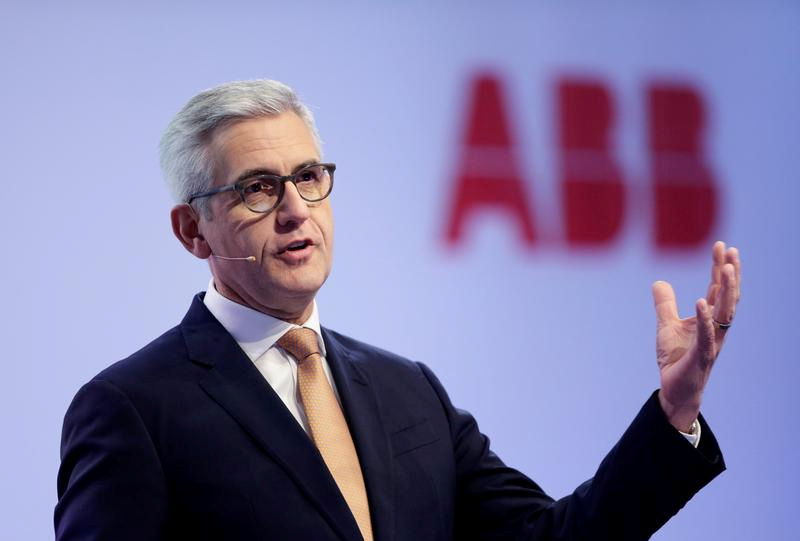
The company said new U.S. orders rose 27% in the third quarter, powered largely by the expansion of data centres needed to process artificial intelligence workloads. “It’s the normal standard business where there is strong demand,” said CEO Morten Wierod, noting the rise was not linked to U.S. import tariffs.

ABB generates about 7% of its revenue from data centres, up from 6% a year ago, and provides uninterruptible power supplies and electrification systems that keep critical servers online. Wierod said the AI boom is also driving broader electrification, forcing utilities and industrial sectors to increase investments.

Earlier this week, ABB announced a partnership with Nvidia to develop advanced infrastructure for next-generation data centres.

The company posted a 12% rise in operating EBITA to $1.74 billion, topping forecasts, while revenue grew 11% to $9.08 billion. Orders also climbed 12%. ABB’s shares initially rose 2.5% after the results before easing later in the session.

Chief Financial Officer Timo Ihamuotila, who will step down next year, said U.S. tariffs have had only a limited impact, costing “tens of millions” of dollars in profit, which the company has offset with price adjustments and efficiency gains. ABB currently manufactures about 75–80% of its U.S. products domestically, with plans to raise that to 90% through new factory investments.
Trump’s EV rollback rattles America’s Battery Belt economy

The U.S. Battery Belt — a stretch of billion-dollar electric vehicle and battery factories from Georgia to Indiana — is feeling the shockwaves of President Donald Trump’s EV policy shift, as automakers delay projects and rural communities brace for economic fallout.

In Stanton, Tennessee, population 450, Ford’s vast EV truck and battery complex once promised 6,000 jobs and a revival of the local economy. But after repeated delays, initial production has been pushed back to 2027, two years later than planned. Former mayor Allan Sterbinsky said locals now worry Ford might abandon or repurpose the 3,600-acre site entirely.

The slowdown reflects waning U.S. demand for electric cars after Trump allowed a $7,500 EV tax credit to expire on Sept. 30, a move Ford’s CEO Jim Farley warned could halve electric car sales. Analysts say this and other anti-EV measures have jeopardized projects across the South and Midwest.

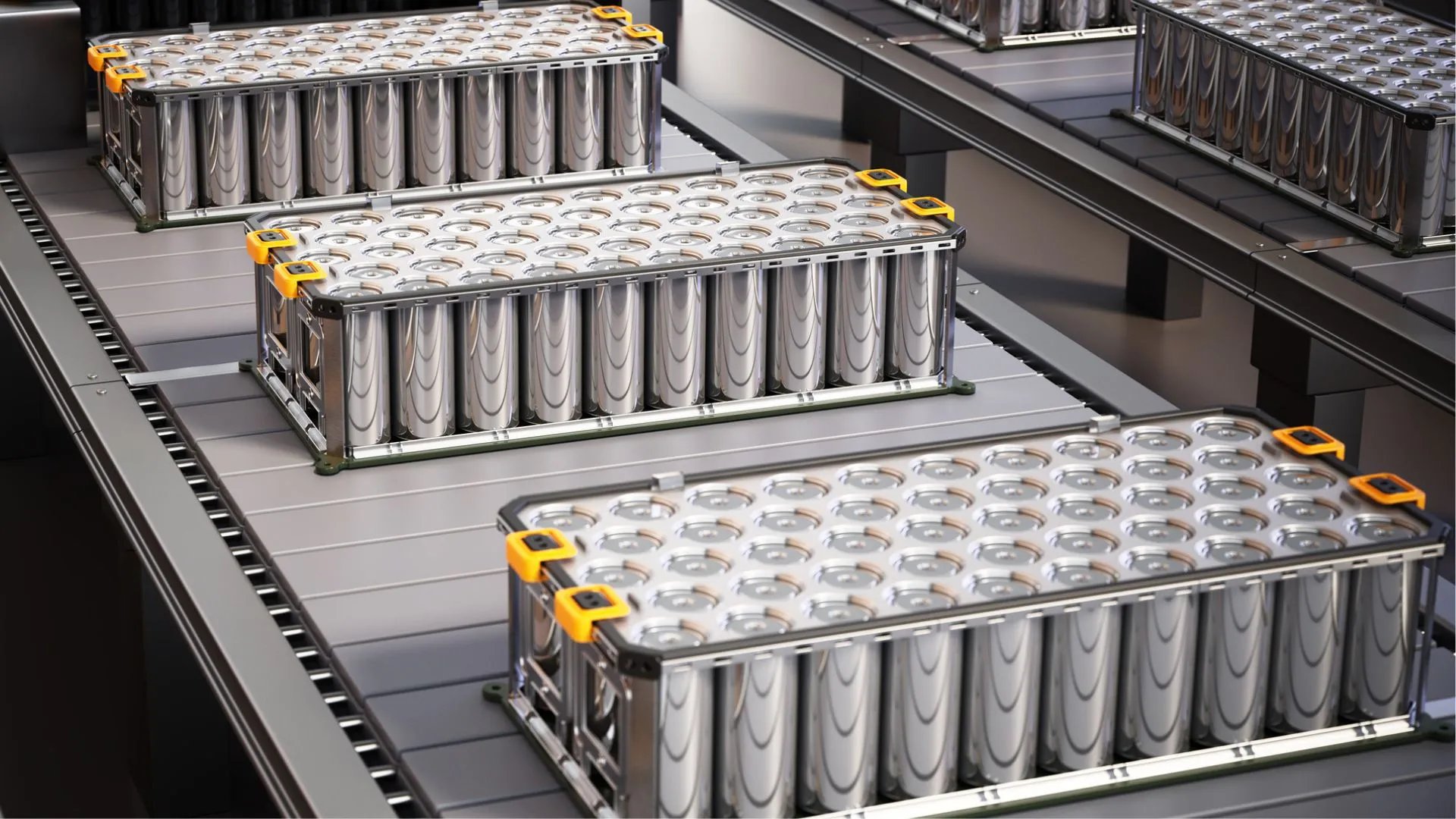
A Reuters review of U.S. battery-investment plans found that even if all planned plants go forward, the country could face a glut of capacity. By 2030, factories could produce batteries for 13–15 million EVs, while demand may cover only a quarter of that, or about 3 million units, according to Benchmark Mineral Intelligence.

Some excess output could be redirected to hybrids or energy storage, but experts warn many facilities may go underutilized. “Much of what was originally going to benefit from these credits now no longer can,” said Jennifer Stafeil of KPMG.

Still, some companies press ahead. Hyundai’s $12.6 billion EV and battery complex in Georgia remains on track despite a federal investigation delay, and will employ 8,500 workers by 2031, according to local officials.

For towns like Stanton, however, the optimism of the EV boom has faded into uncertainty. “That’s on everybody’s mind,” said Sterbinsky. “We built our future around this.”

Brazil’s WEG invests $77M to expand U.S. transformer plant amid AI-driven demand

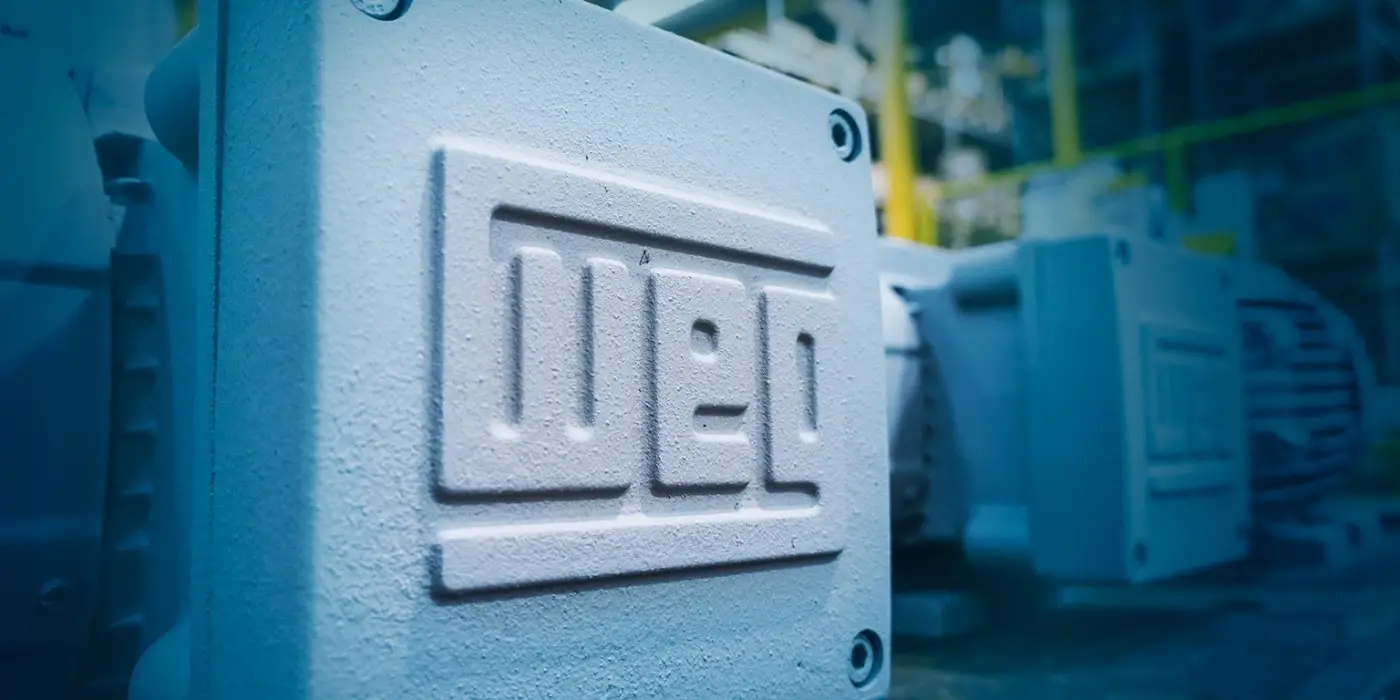
Brazilian motor manufacturer WEG announced Tuesday it will invest $77 million to expand its Washington, Missouri specialty transformer plant, aiming to increase production capacity by 50% as demand surges from AI data centers, industrial manufacturing, and U.S. grid stability needs.

The investment, to be deployed over three years, will bring the additional capacity online no later than 2028, WEG U.S. managing director Peter Barry told Reuters. While the facility previously focused on renewable energy applications like wind power, Barry said the shift toward AI and data center infrastructure is now driving growth.

Despite President Donald Trump’s 50% tariff on Brazilian imports, Barry said the company’s decision was unaffected, citing strong and sustained growth in the North American market. “The North American growth for WEG over the last number of years has been very strong, and I would see that continuing,” he noted.

Key points from the plan:

  • Capacity expansion will be pre-sold, reflecting strong forward demand.

  • Investment will emphasize automation, though around 50 new jobs will still be created.

  • WEG remains open to additional U.S. investments as the AI and energy markets evolve, stressing a strategy of flexibility.

The expansion underscores how the AI boom is reshaping industrial supply chains, with transformers becoming critical components for powering vast data centers and stabilizing electricity grids.