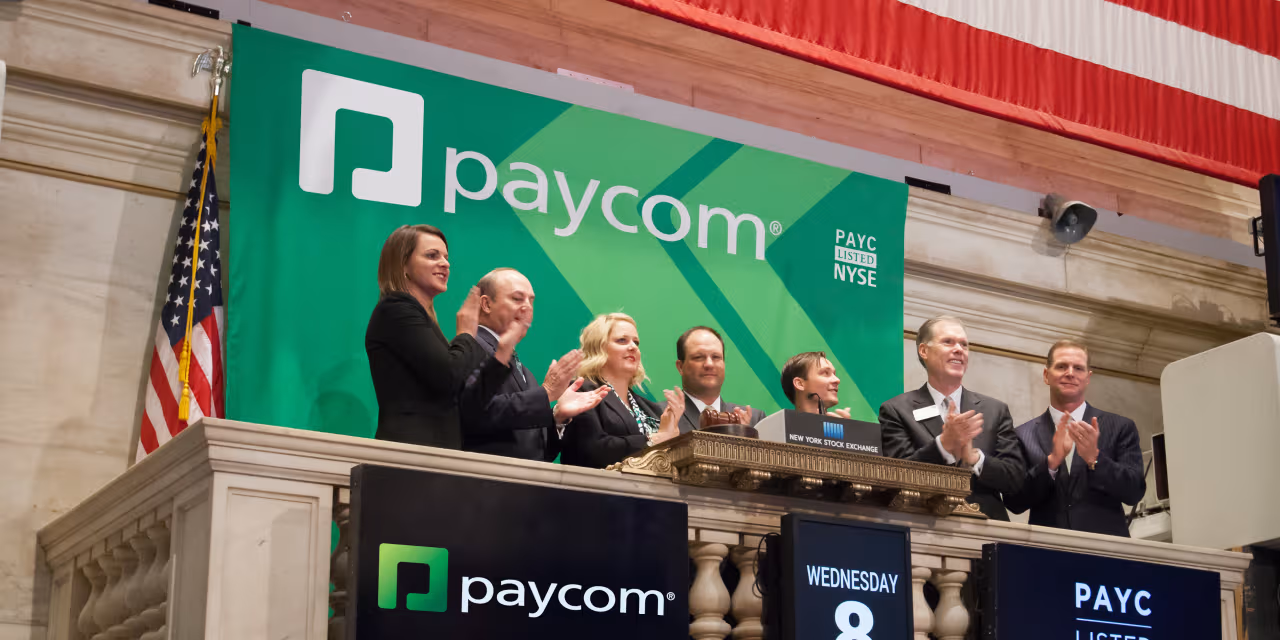
Paycom Raises 2025 Revenue and Profit Forecasts on AI-Driven Demand

Payroll software provider Paycom Software (PAYC.N) boosted its fiscal 2025 revenue and profit guidance on Wednesday, attributing the upward revision to increased demand driven by new AI capabilities in its platform. The company’s shares rose 7% in after-hours trading following the announcement.

Paycom now projects annual revenue between $2.05 billion and $2.06 billion, up from its previous forecast of $2.02 billion to $2.04 billion, surpassing the $2.03 billion consensus estimate. The company’s CEO, Chad Richison, highlighted the “smart AI” suite integrated into Paycom’s software, which automates workforce tasks such as drafting job descriptions and identifying employees at risk of leaving, helping employers streamline management processes.

Profit expectations for 2025 were also raised, with core profit forecasted between $872 million and $882 million, compared to prior guidance of $843 million to $858 million. In the second quarter ended June 30, Paycom reported revenue of $483.6 million and adjusted core profit of $198.3 million, both beating analyst estimates.

Despite these gains, the company’s optimism comes amid weakening U.S. labor market conditions, with July’s employment growth falling short of expectations and prior months’ payroll figures revised downward by 258,000 jobs.
Beijing Robot Store Stocks Einstein Replicas, Chess Partners in AI Leadership Push

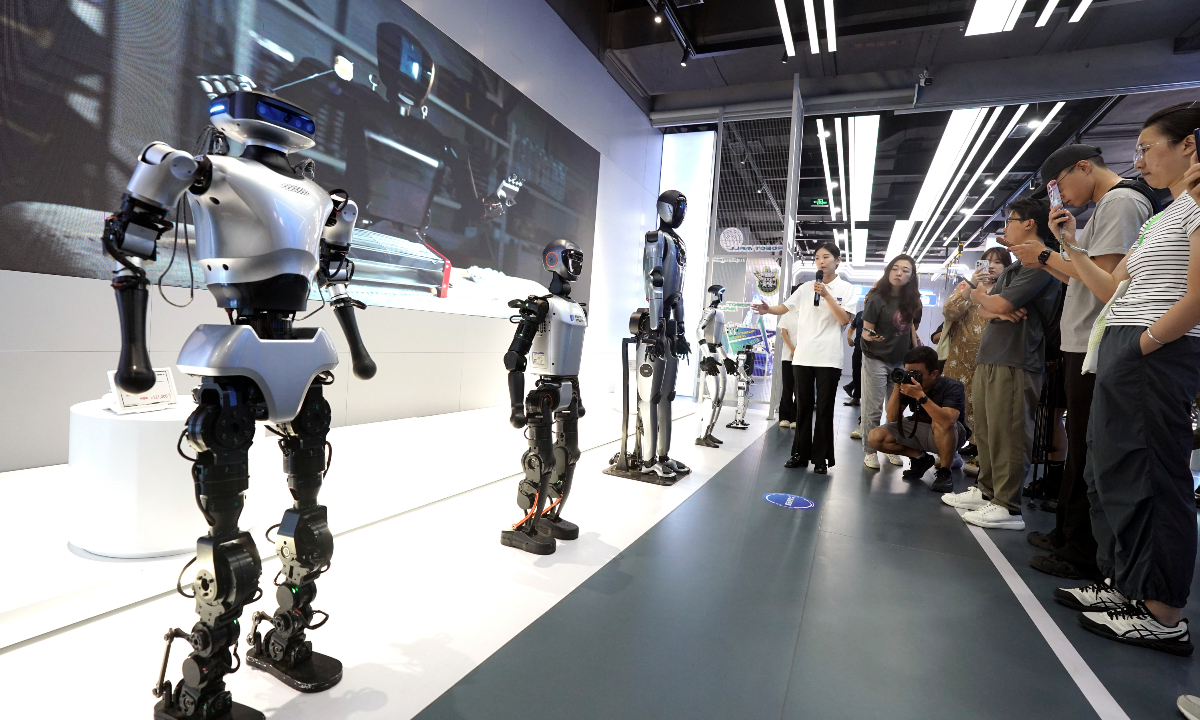
A new store opening in Beijing this Friday will showcase over 100 humanoid and consumer-oriented robots from more than 40 Chinese brands, including Ubtech Robotics and Unitree Robotics. Among the offerings are life-sized replicas of Albert Einstein designed to teach physics, robotic chess partners, and pet robots, highlighting China’s ambition to lead in artificial intelligence and robotics.

The store adopts a “4S” dealership model—providing sales, spare parts, maintenance, and survey services—catering to a growing consumer market with robot prices ranging from around 2,000 yuan ($278) to several million yuan. Wang Yifan, the store director, noted the importance of customized consumer solutions, stating that mass adoption of robots requires more than just manufacturers’ efforts.

China’s aggressive push into robotics aims to mitigate economic challenges such as its ageing population and slowing growth. The sector benefits from government support with subsidies exceeding $20 billion over the past year, alongside a planned one trillion yuan ($137 billion) fund to back AI and robotics startups.

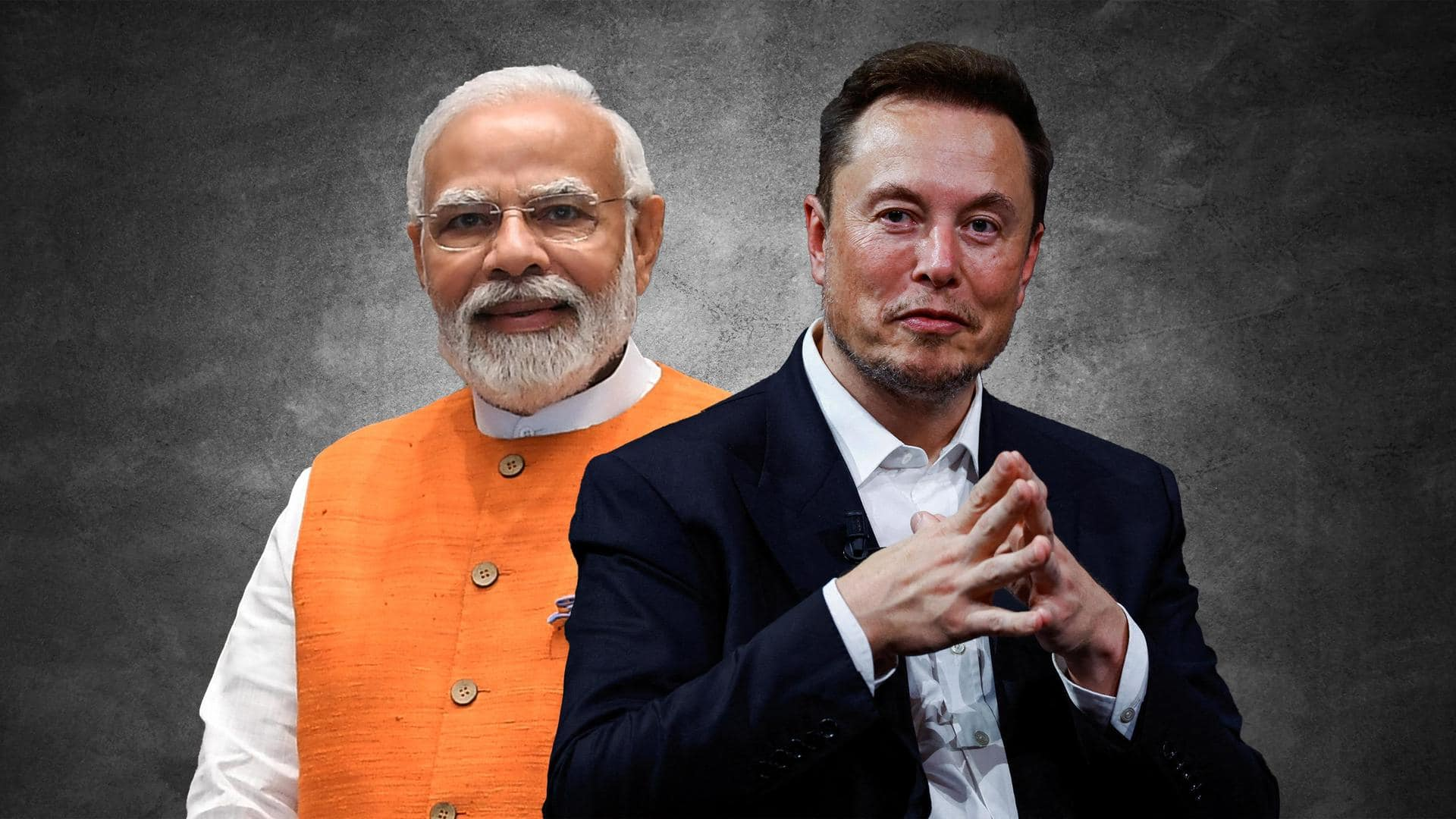
Musk vs. Modi: Inside the Battle Over India’s Expanding Internet Censorship

Since 2023, India under Prime Minister Narendra Modi has significantly tightened its internet censorship, empowering hundreds of officials and thousands of police officers to submit direct takedown orders to social media platforms via a government portal called Sahyog. This has sparked a high-stakes legal battle between Elon Musk’s social media platform X (formerly Twitter) and the Indian government, challenging the constitutionality of these sweeping censorship measures.

X alleges the crackdown suppresses free speech by enabling arbitrary removal of posts critical of public officials, satire, or politically sensitive content, while Indian authorities argue the moves are necessary to combat unlawful content and maintain public order. The government points out that major tech firms like Meta and Google support its approach, though both declined to comment on this specific dispute.

Court documents and police interviews reviewed by Reuters reveal a system where thousands of takedown requests have targeted a broad range of content, from misinformation and communal tensions to political cartoons mocking Modi and regional leaders, and even news coverage of a deadly stampede at New Delhi’s largest railway station. Many posts remain online, highlighting friction over what content crosses the line.

The case has also spotlighted the controversial Sahyog website, which X calls a “censorship portal,” refusing to participate and filing suit against the government. The platform’s challenge in the Karnataka High Court centers on whether the government can delegate broad censorship powers to multiple agencies without transparent, judicial oversight.

Despite the legal conflict, Musk and Modi maintain a publicly amicable relationship, with Musk praising India’s potential and planning to expand Tesla and Starlink operations there. However, behind the scenes, Indian police officers have criticized X for failing to act on cultural sensitivities and takedown requests, with some content considered offensive or taboo in the Indian context.

This clash highlights the global tension between free speech ideals and governments’ desire to control online content, intensified in India—the world’s largest internet market—where digital censorship has grown rapidly under Modi’s administration.