China warns Kuaishou and Weibo over content violations

China’s Cyberspace Administration (CAC) has issued warnings and disciplinary measures against Kuaishou and Weibo, accusing both platforms of failing in their content management responsibilities. The regulator cited repeated violations, including trending lists filled with celebrity gossip and trivial updates, which it said undermine the platforms’ duties to manage information responsibly.

The measures include summoning company executives, issuing official warnings, and ordering mandatory rectifications within set deadlines.

Both Kuaishou and Weibo responded with statements acknowledging the criticism, saying they “take the matter very seriously,” and have created special task forces to oversee corrective action.

The crackdown comes amid broader regulatory scrutiny of Chinese tech firms. Just a day earlier, China’s market watchdog launched an investigation into Kuaishou’s e-commerce arm, Kuaigou, for suspected violations of national e-commerce laws.

The warnings highlight Beijing’s ongoing campaign to enforce tighter control over online platforms, particularly in areas where entertainment and celebrity culture dominate user engagement.
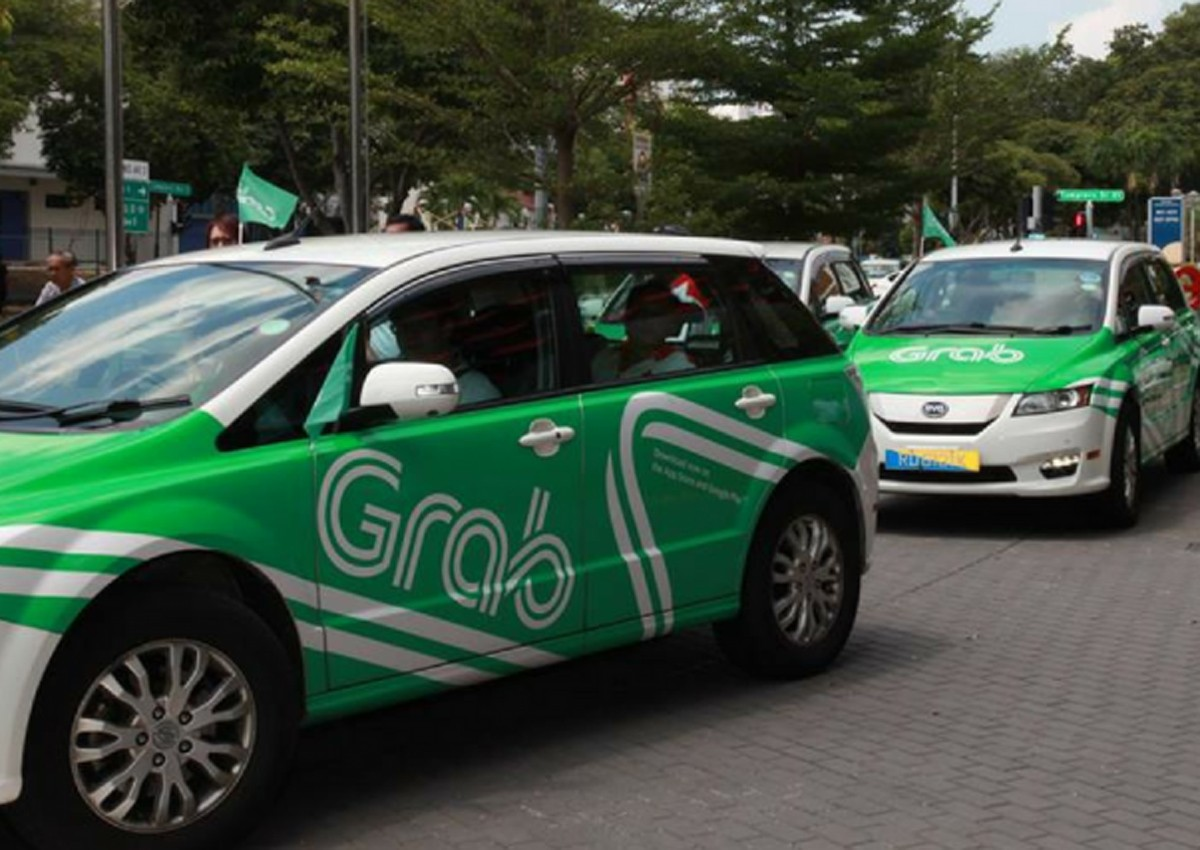

Chinese robotaxi firms team up for autonomous shuttles in Singapore

Two of China’s leading robotaxi developers — WeRide and Pony.ai — announced partnerships with Singaporean firms to roll out autonomous shuttle services in the city-state, marking a major step in its autonomous driving ambitions.

Grab, Singapore’s ride-hailing giant, said it will partner with WeRide to operate two autonomous shuttle routes in Punggol. Services will begin in early 2026 with five- and eight-seater shuttles, following a test phase to study routes. WeRide, already licensed in Shanghai, is expanding its footprint abroad.

Meanwhile, Pony.ai, backed by Toyota, will team up with ComfortDelGro, Singapore’s largest taxi and transport operator. Their service will also start in Punggol on a 12-km route, with launches expected “in the coming months” pending regulatory approval, before expanding to nearby communities.

The Land Transport Authority (LTA) said both companies have a proven track record overseas with multiple vehicle types, including shuttles and robotaxis. Pony.ai already operates commercial services in Beijing, Shanghai, Guangzhou, and Shenzhen, and is eyeing further deployments in South Korea, Luxembourg, the Middle East, and beyond after its $260 million Nasdaq IPO in November.

Singapore has been actively exploring autonomous mobility, with Transport Minister Jeffrey Siow visiting Chinese AV firms in June. The partnerships position the country as a testbed for urban driverless fleets, as global competition in robotaxi technology accelerates.

Oracle in talks for $20B AI cloud deal with Meta

Oracle is negotiating a multi-year cloud computing contract with Meta worth about $20 billion, a source told Reuters on Friday, highlighting the social media giant’s urgent push to secure computing capacity for AI development.

Under the potential deal, Oracle would provide infrastructure for training and deploying AI models, supplementing Meta’s existing cloud partnerships. Neither company commented on the report.

The talks come just days after news that OpenAI signed a landmark agreement to buy $300 billion worth of computing power from Oracle over five years—one of the largest cloud deals ever recorded.

Oracle, once known primarily for enterprise software, has rapidly repositioned itself as a heavyweight in cloud infrastructure through Oracle Cloud Infrastructure (OCI). It has partnered with Amazon, Google, and Microsoft to allow their customers to run Oracle workloads alongside native services. Revenue from these tie-ups surged more than 16x in Q1.

In recent weeks, Oracle has announced four additional multi-billion-dollar contracts as AI firms such as OpenAI, Musk’s xAI, and now Meta aggressively lock in long-term capacity. Oracle said it expects to sign more mega-customers in the coming months, projecting over half a trillion dollars in booked OCI revenue.

If finalized, the Meta deal would further cement Oracle as a critical player in the AI infrastructure race, rivaling traditional hyperscalers and underscoring just how central cloud power has become in the battle for AI dominance.