Musk denies $10B fundraising at xAI after CNBC report

Elon Musk pushed back on Friday against a CNBC report that his AI startup xAI was raising $10 billion at a post-money valuation of $200 billion. “Fake news. xAI is not raising any capital right now,” Musk wrote on X, dismissing claims the firm was in talks with investors.

CNBC had reported that the funds would be used to build massive data centers with Nvidia and AMD GPUs and recruit top AI talent as xAI ramps up to compete with OpenAI’s ChatGPT and Anthropic’s Claude. The company operates the Colossus supercomputer cluster in Memphis, Tennessee, which Musk has described as the world’s largest.

Investor interest in AI firms remains strong despite questions over the sustainability of big tech spending. If true, the $200B valuation would have more than doubled xAI’s reported $75B valuation in July and placed it among the world’s most valuable private companies—behind OpenAI, ByteDance, and SpaceX, but ahead of Anthropic, which recently raised funds at a $183B valuation.

Musk’s denial comes amid conflicting signals. In June, Morgan Stanley reported that xAI had already raised $5B in debt financing alongside a $5B strategic equity investment to expand its infrastructure. While Musk insists no new round is underway, xAI continues to scale aggressively, seeking to establish itself as a rival to OpenAI, which may soon be valued at $500B in a planned stock sale.

Pattern valued at $2.4B as shares dip in Nasdaq debut

E-commerce accelerator Pattern Group made its Nasdaq debut on Friday with a valuation of $2.38 billion, though its shares slipped 3.6% in early trading, closing at $13.50 versus the $14 offer price. The performance bucks the recent trend of strong first-day rallies for tech IPOs.

Pattern and existing shareholders raised $300 million by selling 21.4 million shares, priced within the marketed range of $13–$15. The Utah-based firm joins a wave of high-profile listings—such as Klarna and blockchain lender Figure—that have helped restore investor confidence in the U.S. IPO market after months of volatility tied to trade and tariff concerns.

Founded in 2013 as iServe by David Wright and Melanie Alder, Pattern positions itself as an “e-commerce accelerator.” It buys inventory directly from brands and resells it on platforms including Amazon, Target, Walmart, and eBay, using AI-driven tools and global marketplace expertise to optimize sales.

Analysts caution, however, that Pattern’s heavy dependence on Amazon leaves it vulnerable to changes in fee structures or marketplace policies. Trade policy shifts, such as the removal of the de-minimis import exemption, could also raise costs for cross-border sellers and complicate growth strategies.

IPO experts said the mixed debut reflects a selective investor environment, where companies with strong fundamentals and clearer risk profiles are being rewarded, while others face tougher scrutiny amid persistent inflation and labor market concerns.

Apple Watch gains AI-powered high blood pressure notification feature

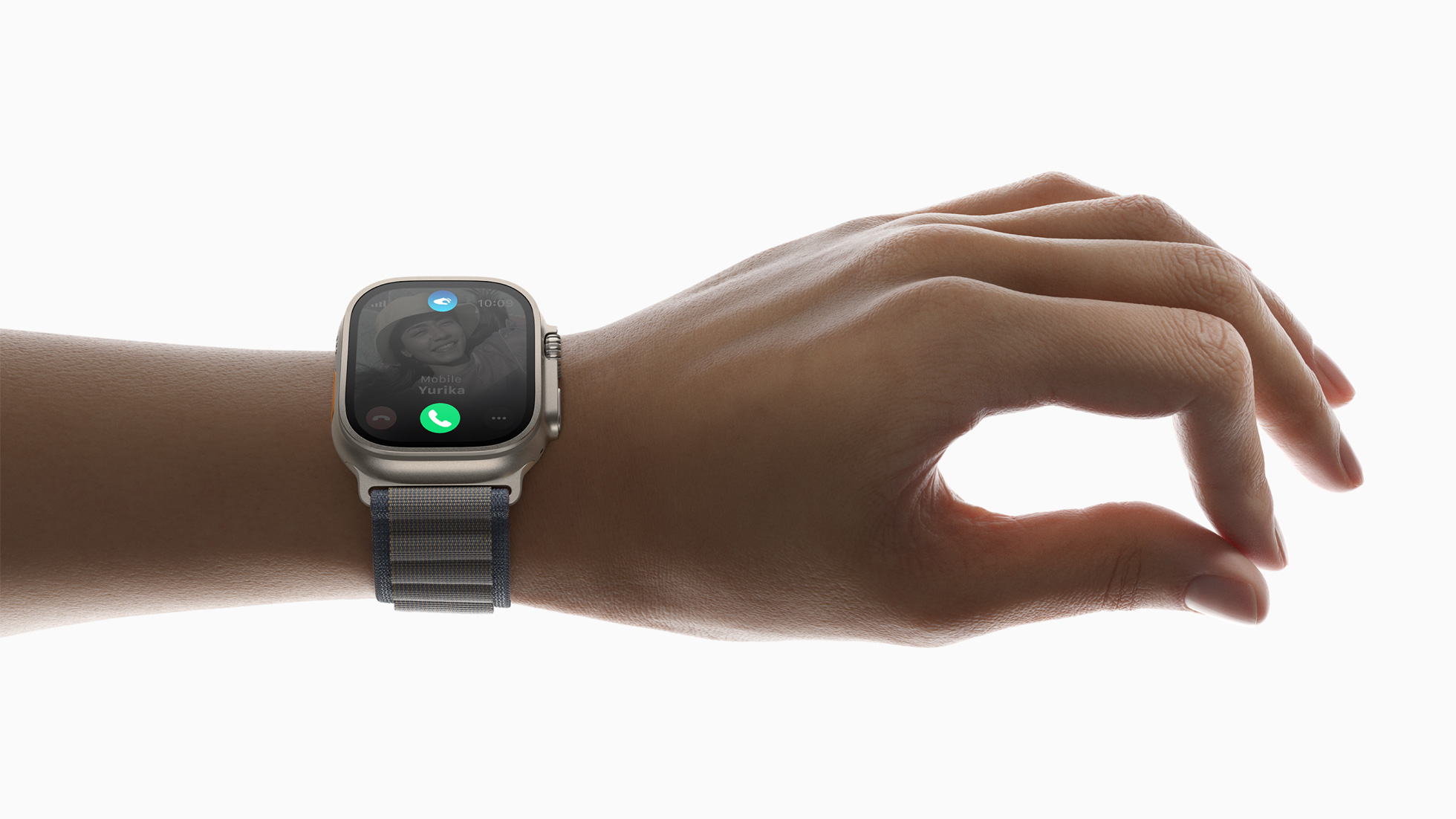
Apple unveiled a new AI-driven health feature for the Apple Watch Series 11, launching Friday, that can notify users if they may have high blood pressure. The notification tool, approved by the U.S. Food and Drug Administration, will also roll out to Apple Watch Series 9 and later models in over 150 countries.

Unlike a traditional blood pressure cuff (sphygmomanometer), the Watch does not measure blood pressure directly. Instead, Apple used machine learning to analyze sensor data from its large-scale Heart and Movement Study, launched in 2019 with 100,000 participants. Researchers identified patterns in the watch’s heart-related signals and validated the resulting algorithm in a dedicated study of 2,000 people.

The feature is designed to prompt users to check their blood pressure with a cuff and consult a doctor if alerts appear. Apple Vice President of Health Sumbul Ahmad Desai emphasized that the company has long pursued ways to detect hypertension, a condition affecting over 1 billion people worldwide, half of whom remain undiagnosed.

Cardiology expert Ami Bhatt called the rollout significant, noting it could help reduce risks of heart attacks, strokes, and kidney disease by prompting early detection. Still, she cautioned that the tool is not a replacement for professional diagnosis and carries risks of both false positives and false reassurance for those who don’t receive alerts.

The addition highlights Apple’s broader push into preventive healthcare, positioning the Watch as not only a fitness tracker but also an early-warning tool for chronic conditions.