Netherlands Investigates Snapchat Over Vape Sales and Minor Protection

The Dutch consumer watchdog ACM has opened an investigation into Snapchat, accusing the platform of failing to adequately protect minors from illegal vape sellers, potentially breaching the EU’s Digital Services Act (DSA).

Key Details

  • Allegation: Snapchat may not be doing enough to stop vape sales targeting under-18s.

  • Regulation: The DSA obliges platforms to provide strong safeguards for minors and prevent illegal sales.

  • ACM stance: “We see enough indications of possible DSA breaches by Snapchat to open an investigation.”

  • Collaboration: ACM is working with the European Commission on the case.

Snapchat’s Response

  • Snap Inc. said it takes the issue seriously and will cooperate.

  • The company noted it has:

    • Invested heavily in proactive detection technology.

    • Banned advertising of vapes.

    • Attempted to block illicit content in searches.

  • A spokesperson admitted no system can “eliminate every threat online.”

Why It Matters

  • This is one of the first DSA-related probes into how platforms enforce rules on harmful and illegal products.

  • Highlights growing European scrutiny of U.S. social media firms.

  • The case could set a precedent for how regulators handle youth protection and illicit product sales online.

No timeline for the investigation has been provided.

Google Cloud Secures $58B Pipeline, Strengthens AI and Enterprise Position

Alphabet’s Google Cloud expects to add $58 billion in revenue over the next two years, fueled by a strong contract backlog and surging demand for AI infrastructure.

Key Figures

  • Backlog growth: $106B in non-recognized sales contracts, with 55% ($58B) set to convert to revenue within 24 months.

  • Current scale: $50B annual run rate in cloud revenue (14% of Alphabet’s total).

  • Customer momentum: +28% new customers quarter-over-quarter.

  • AI dominance: 9 of the 10 largest AI labs are clients, including OpenAI and Anthropic.

Strategic Significance

  • Cloud is becoming Alphabet’s fastest-growing business, while advertising faces regulatory challenges in the U.S. and Europe.

  • CEO Sundar Pichai boosted 2025 capex to $85B (from $75B), citing AI-driven cloud demand.

  • Google Cloud’s position as a neutral infrastructure provider gives it leverage, even as it competes with customers in AI.

Why It Matters

  • Wall Street is pressuring Big Tech to prove AI monetization; Google Cloud’s backlog gives tangible visibility.

  • Competes head-to-head with AWS and Microsoft Azure, both of which are heavily investing in AI compute capacity.

  • A strong cloud business gives Alphabet diversification beyond search advertising and a hedge against regulatory headwinds.

Google Cloud’s trajectory suggests it could soon transition from a secondary business line into Alphabet’s central AI and enterprise growth engine.

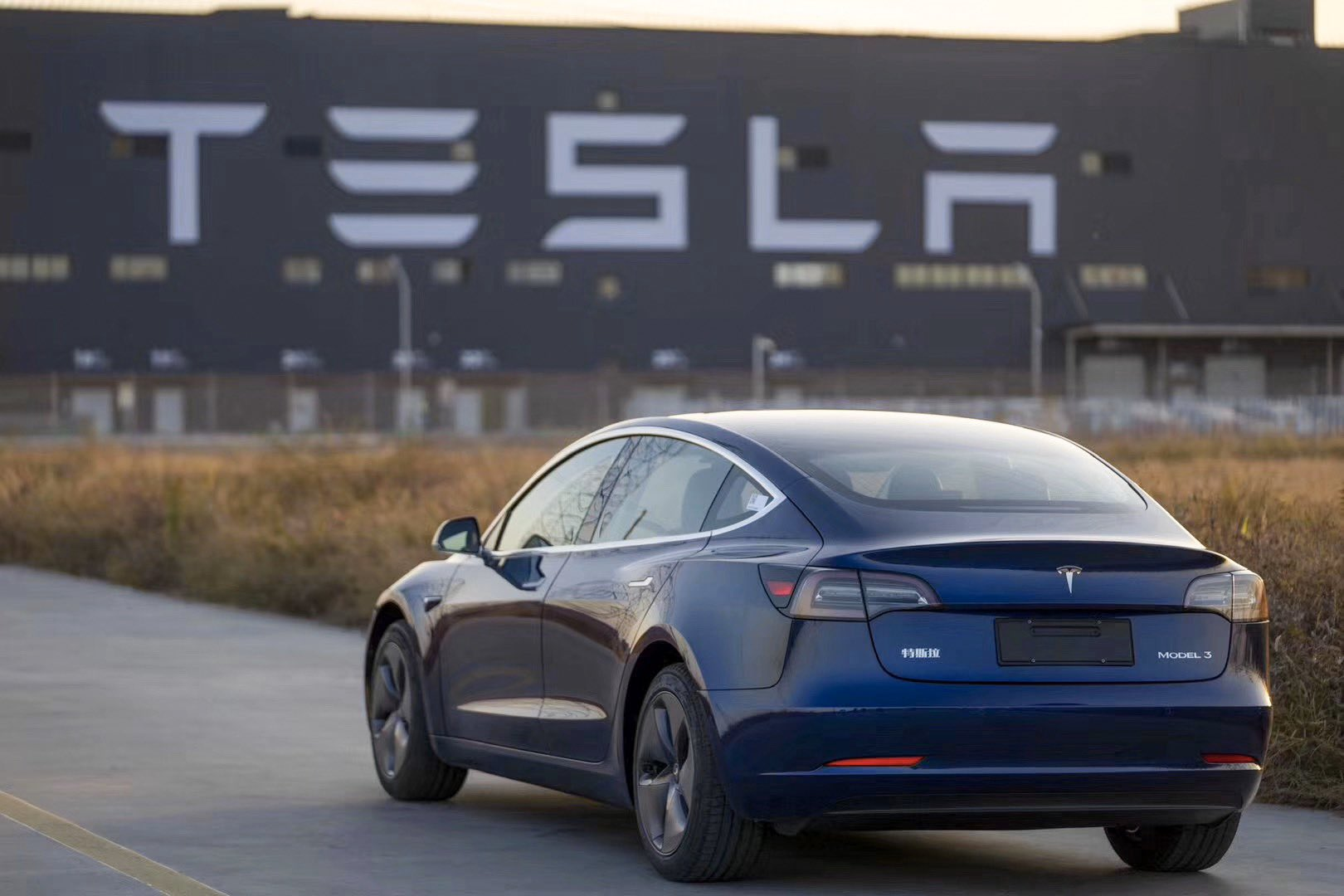
Tesla’s $8.5 Trillion Dream: Musk’s Pay Package Tied to Robots, Robotaxis, and Investor Faith

Tesla’s board has tied Elon Musk’s new trillion-dollar pay package to an extraordinary target: growing the company’s market value to $8.5 trillion over the next decade — a figure that would eclipse today’s giants Microsoft and Nvidia combined.

The Road to $8.5 Trillion

  • Robotaxis: Tesla aims to deploy 1 million autonomous taxis, building a network that could dwarf Uber’s business. ARK Invest forecasts up to $951 billion in annual revenue from ride-hailing by 2029, with Tesla taking a higher cut of fares than rivals.

  • Optimus humanoid robots: Musk says robots could represent 80% of Tesla’s value. To hit profit targets, Tesla might need to sell 100 million robots annually, priced around $25,000 each, generating hundreds of billions in EBITDA.

  • EVs & energy: Tesla’s auto and energy units would still contribute, but analysts agree the bulk of upside must come from next-gen products.

Investor Math

  • Tesla trades at about 75x EBITDA, far higher than most automakers.

  • At that multiple, Tesla would need $113 billion EBITDA for $8.5T valuation — below the $400 billion EBITDA goal in Musk’s package.

  • Current EBITDA: $13 billion (LSEG).

Risks & Reality Check

  • Operational hurdles: Vehicle sales have declined, raising near-term challenges.

  • Market skepticism: Morgan Stanley called Tesla’s $400B EBITDA target “materially more aggressive” than its forecasts, requiring massive contributions from robots and AI markets that barely exist today.

  • Regulatory & technical roadblocks: Scaling robotaxis and humanoid robots will demand breakthroughs in autonomy, safety, and manufacturing.

Why Investors Still Believe

  • Narrative power: Tesla is valued as a growth story, not an automaker.

  • Long-term optionality: Robotaxis and robots represent potential trillion-dollar markets.

  • Alignment: Tying Musk’s pay to performance reassures some investors that bold bets are necessary to reverse slowing growth.

As Will Rhind of GraniteShares put it: “There are big operational hurdles Tesla does need to accomplish… so why not tie the CEO’s compensation to reversing some of those trends?”