
Meta’s TBD Lab: Small, Talent-Dense Team Driving Next-Gen AI Models

Meta’s TBD Lab, a research group within its Superintelligence Labs, consists of only “a few dozen” researchers and engineers, CFO Susan Li told investors at the Goldman Sachs Communacopia + Technology conference on Tuesday.

Key Details

  • Team size: “A few dozen” researchers and engineers, highly talent-dense.

  • Focus: Developing next-generation foundation models at the AI frontier over the next 1–2 years.

  • Name origin: “TBD” began as a placeholder (“to be determined”) but stuck, reflecting the exploratory nature of the group.

Meta’s AI Reorganization

  • Earlier this year, Meta split its AI efforts under Superintelligence Labs into four groups:

    1. TBD Lab – new, frontier-focused models.

    2. Products team – including the Meta AI assistant.

    3. Infrastructure team – scaling compute and systems.

    4. FAIR (Fundamental AI Research) – long-term research.

  • This restructuring followed senior staff exits and lukewarm reception for Meta’s Llama 4 model.

Leadership & Talent Push

  • CEO Mark Zuckerberg has been personally driving talent acquisition, reportedly reaching out to startup founders and top researchers directly — even via WhatsApp — with million-dollar offers.

  • The company’s AI ambitions are positioned as a long-term bet, combining frontier R&D, consumer AI products, and infrastructure scaling.

Strategic Significance

  • The compact size of TBD Lab emphasizes high-leverage innovation rather than large-scale manpower.

  • Its work will likely feed into both open-source and proprietary models, shaping Meta’s response to OpenAI, Google DeepMind, and Anthropic in the race for AI dominance.

  • If successful, TBD Lab could be key in restoring Meta’s competitive credibility in foundation models.
Nvidia-Backed Reflection AI Targets $5.5B Valuation in $1B Fundraise

Reflection AI, a fast-rising AI startup backed by Nvidia, is raising about $1 billion in new financing that could value the company between $4.5 billion and $5.5 billion, according to the Financial Times.

Key Details

  • Valuation surge: Nearly 10x jump from its prior valuation of $545 million just six months ago (PitchBook data).

  • Lead investors: Nvidia’s venture arm ($250M+), Lightspeed Venture Partners, Sequoia, and Yuri Milner’s DST Global.

  • Founders: Former DeepMind researchers Misha Laskin and Ioannis Antonoglou.

  • Core product: AI tools to automate coding, one of the most in-demand applications of generative AI.

Market Context

  • AI funding boom: Investors are aggressively backing AI startups amid record demand for infrastructure, talent, and applications.

  • Talent wars: Meta and other tech giants are offering salaries and signing bonuses comparable to those of elite athletes to secure AI researchers.

  • Big Tech AI push: Infrastructure spending across Microsoft, Google, Amazon, and Nvidia has sparked a multi-billion-dollar race to dominate AI compute and software.

Strategic Significance

  • Nvidia’s involvement strengthens Reflection’s credibility and access to cutting-edge GPU infrastructure.

  • Coding automation is seen as a transformational AI use case, potentially disrupting software development cycles and reducing costs for enterprises.

  • Reflection’s valuation trajectory highlights the feverish investor appetite for early-stage AI firms with strong teams and practical applications.

GameStop Q2 Revenue Jumps on Hardware and Collectibles Boom

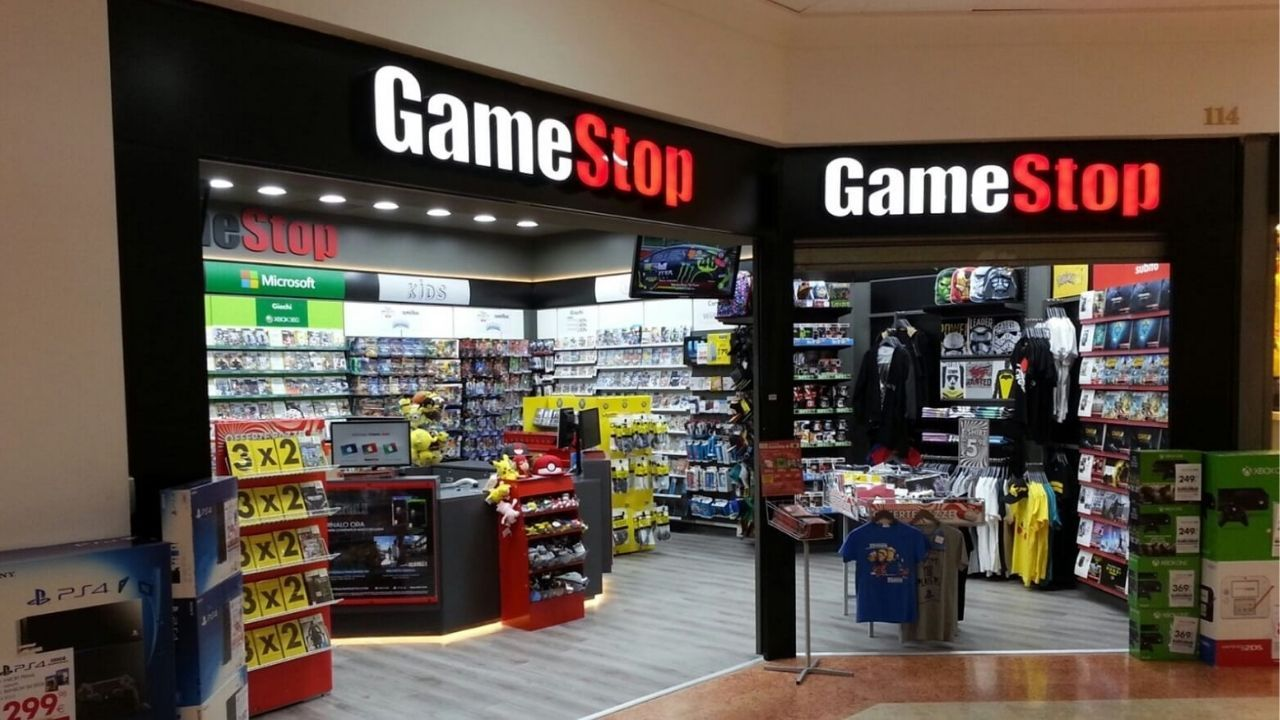
GameStop (GME.N) reported a sharp rise in second-quarter revenue, driven by strong hardware sales and surging demand in its collectibles business, as the videogame retailer continues to adapt to digital transformation and competition from e-commerce giants.

Key Financials

  • Total Revenue: $972.2 million (up from $798.3 million a year ago).

  • Hardware & Accessories Sales: +31% to $592.1 million.

  • Collectibles Sales: +63% year-on-year.

  • Net Income: $168.6 million (vs. $14.8 million last year).

  • Shares: Rose about 4% in extended trading.

Growth Drivers

  • Exclusive partnerships: Selling special editions and merchandise tied to major releases, such as Take-Two’s Borderlands 4.

  • Gaming cycle boost: Strong slate of new releases and demand for Nintendo’s Switch 2, PlayStation 5, and Xbox Series X/S.

  • Collectibles strategy: Leveraging apparel, accessories, and exclusive items to attract core fans.

Strategic Moves

  • Digital pivot: Investing in digital storefronts to compete with Amazon and other e-commerce platforms.

  • Restructuring: Closing hundreds of stores to streamline operations and improve profitability.

  • Crypto play: Monetizing bitcoin positions held on its balance sheet.

Outlook

GameStop’s stronger-than-expected quarter highlights the resilience of its hardware and collectibles businesses and the potential upside of its digital-first strategy, though competition remains intense in gaming retail.