
Microsoft Adds Anthropic AI Models to 365 Copilot, Expanding Beyond OpenAI

Microsoft announced on Wednesday that it is integrating Anthropic’s AI models into its Copilot assistant, marking a strategic move to diversify beyond its close partnership with OpenAI, the maker of ChatGPT.

While OpenAI’s models will continue to power Copilot by default, users will now be able to choose Anthropic’s Claude Sonnet 4 and Claude Opus 4.1 for tasks within Copilot’s “Researcher” tool and when building custom agents in Microsoft Copilot Studio.

Starting this week, users who opt in to test Claude will be able to switch seamlessly between OpenAI and Anthropic models in Researcher, said Charles Lamanna, president of Microsoft’s business and industry Copilot division.

The shift underscores Microsoft’s effort to broaden the foundation of its AI services. Until now, Copilot’s advanced features across apps such as Word and Outlook have relied primarily on OpenAI.

Although Microsoft is OpenAI’s largest investor, the company has also been developing its own models and integrating those from other AI firms. Earlier this year, it announced plans to offer models from Elon Musk’s xAI and Meta Platforms, all hosted within its data centers. Models from China’s DeepSeek have also been added to Microsoft’s Azure cloud platform.

Anthropic’s Claude models, however, are primarily hosted on Amazon Web Services (AWS), a direct competitor to Microsoft Azure, highlighting a rare cross-cloud collaboration.
Tether Appoints Ex-Google, Limestone Capital Executive as Chief Business Officer

Tether announced on Wednesday that it has named Benjamin Habbel as its new chief business officer, as the crypto firm expands its strategy beyond digital assets.

Habbel previously served as CEO of private equity firm Limestone Capital and held senior roles at Google. At Tether, he will oversee growth strategy, finance, investment, and portfolio expansion, while also working with the company’s diverse portfolio.

Tether’s investments already span artificial intelligence, telecommunications, bitcoin mining and energy, cloud computing, and real estate. Last year, the company invested $200 million to acquire a majority stake in U.S.-based brain implant company Blackrock Neurotech.

“Tether isn’t just a stablecoin company — it’s The Stable Company,” said CEO Paolo Ardoino, adding that Habbel’s appointment will accelerate Tether’s transformation into a broader technology and financial services powerhouse.

Headquartered in El Salvador, Tether is the issuer of the world’s largest stablecoin, USDT, which is pegged to the U.S. dollar and has a market capitalization of about $173 billion, according to CoinGecko.

The move comes as Tether looks to expand in the United States, where crypto firms are benefiting from President Donald Trump’s supportive stance on the sector and the launch of a U.S.-focused stablecoin, USAT.

Oracle Seeks to Raise $18 Billion in Debt to Fund AI Cloud Push

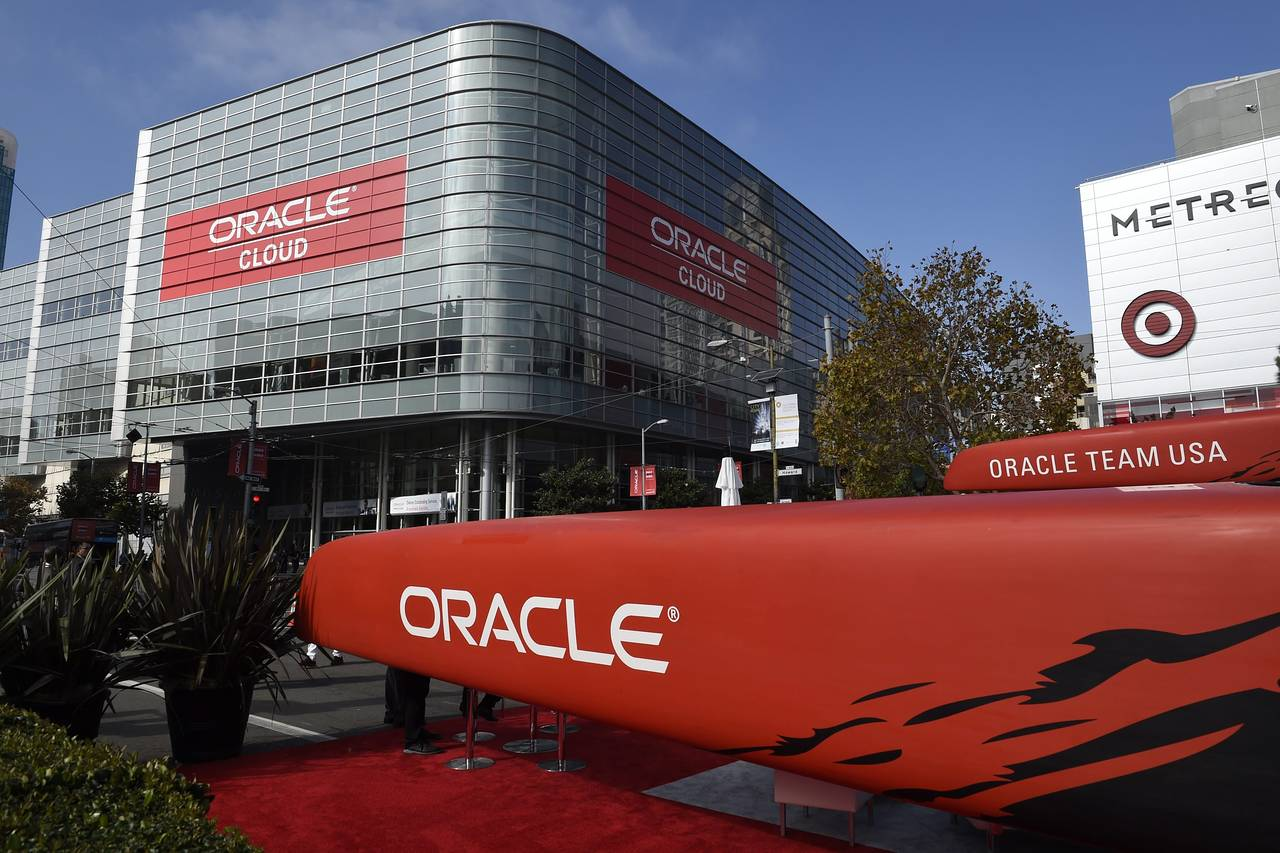
Oracle is planning to raise $18 billion in debt, according to a regulatory filing on Wednesday, as it accelerates investment in cloud infrastructure to meet soaring demand from artificial intelligence clients.

The enterprise software and cloud services giant has been expanding its capital spending to deliver on major contracts, including agreements with OpenAI, which are expected to drive significant growth in its cloud business.

According to a pricing term sheet filed with the U.S. Securities and Exchange Commission, Oracle will sell the debt in six tranches.

In a separate filing, the company said proceeds could be used for general corporate purposes, including stock buybacks, debt repayment, or acquisitions, in addition to infrastructure investment.

The debt sale highlights how rising AI adoption is reshaping the priorities of major tech firms, with Oracle joining a growing list of companies tapping capital markets to finance the costly buildout of hyperscale data centers.