
Hong Kong’s HashKey to Launch $500M Digital Treasury Fund

HashKey Group, Hong Kong’s leading licensed crypto exchange and digital asset manager, announced plans to launch a $500 million Digital Asset Treasury (DAT) fund, joining the wave of firms adopting bitcoin-style treasury strategies pioneered by U.S. software firm MicroStrategy (MSTR.O).

MicroStrategy, which began stockpiling bitcoin in 2020, now holds more than $63 billion in crypto, inspiring “copycats” worldwide. Collectively, such treasury adopters have amassed nearly 100,000 bitcoin, according to Standard Chartered.

HashKey said the fund will create a diversified DAT portfolio, initially focused on the Bitcoin and Ethereum ecosystems, with the goal of advancing crypto asset standardization and fostering a sustainable Web3 infrastructure.

“The strategy is not just a U.S. phenomenon — it’s spreading across Hong Kong, Japan, and other equity markets,” Binance founder Changpeng Zhao said at a recent Hong Kong bitcoin conference, noting how DAT adoption is gaining traction in Asia.

Founded in 2018, HashKey Group offers services spanning asset management, brokerage, tokenization, and runs Hong Kong’s largest licensed crypto exchange. By leveraging its global footprint, HashKey said it plans to both initiate and invest in leading DAT projects, accelerating institutional-grade adoption of blockchain technologies.

Eightco Stock Soars 3,800% on Worldcoin Accumulation Plan

Eightco Holdings (OCTO.O) shares exploded on Monday, surging more than 3,800% after the fintech firm announced plans to raise capital and buy large amounts of Worldcoin, the cryptocurrency co-founded by OpenAI CEO Sam Altman.

The stock skyrocketed to $38.10 from Friday’s close of $1.45, marking the company’s biggest one-day gain on record. Trading volume exceeded 145 million shares, far above its 30-day average of under 5 million.

Eightco said it will raise about $250 million through a private placement of 171,000 shares at $1.46 each, with proceeds dedicated to acquiring Worldcoin. Peter Thiel-backed BitMine, which runs a similar strategy by stockpiling ether, will also invest $20 million.

The strategy mirrors Michael Saylor’s MicroStrategy, the largest corporate holder of bitcoin, and comes as U.S. crypto markets surge under supportive Trump-era regulations.

Worldcoin, launched in 2019, pairs a digital ID system with crypto distribution, offering users tokens in exchange for biometric iris scans. The total value of Worldcoin tokens stands at $2.7 billion, per CoinGecko.

Adding to momentum, Daniel Ives, a senior analyst at Wedbush Securities, will become board chairman of Eightco. The firm plans to change its ticker to “ORBS” on the Nasdaq around September 11.

Until now, Eightco was a tiny player: with just 3 million shares outstanding and a market cap of $4.4M as of last close, Monday’s rally represents a seismic shift in scale for the company.

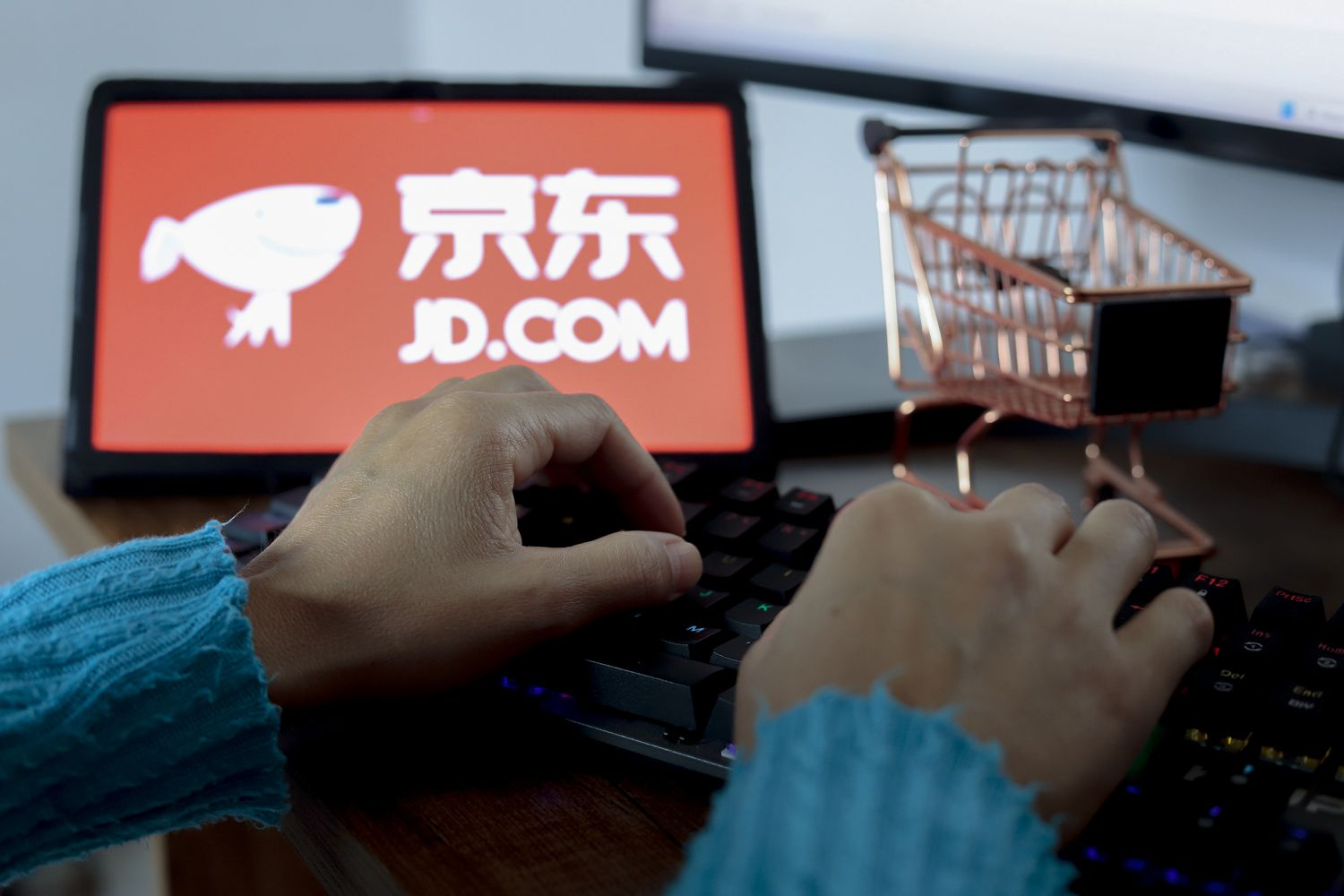
China’s E-Commerce Giants Burn Billions in Price War Over “Instant Retail”

China’s biggest e-commerce firms — Alibaba, JD.com, and Meituan — are locked in a bruising price war to dominate the fast-growing “instant retail” one-hour delivery market, a battle that is slashing profits, fueling deflationary pressures, and drawing regulatory scrutiny.

To capture market share, the platforms are showering consumers with deep discounts and coupons, triggering a cash burn estimated at $4 billion in Q2 alone, according to Nomura. S&P Global projects the three companies could collectively spend 160 billion yuan ($22B) over the next 12–18 months, with little chance of margin recovery for at least two years.

  • JD.com’s CEO Sandy Xu called the rivalry “unsustainable excessive competition.”

  • Meituan’s CEO Wang Xing described a “new phase of competition.”

  • PDD Holdings’ co-CEO Zhao Jiazhen said the intensity had “further escalated.”

The fight began earlier this year when JD.com launched a service to challenge Meituan’s core food-delivery business, prompting Alibaba (via its Ele.me app) to also ramp up spending. Analysts liken the standoff to a “game of chicken,” where whichever firm blinks first risks wasting billions.

Meituan faces the biggest hit, since food delivery is its primary revenue driver. JD.com nearly saw its food-delivery losses erase Q2 profit, while Alibaba is cushioned by its more diversified model.

Despite the bloodletting, executives argue the long-term prize is worth it. Alibaba’s Jiang Fan projects the instant retail segment could add 1 trillion yuan ($137B) in incremental annualized GMV within three years. Early signs show cross-platform benefits: JD.com’s active users grew 40% YoY in Q2, and Alibaba’s Taobao app saw MAUs jump 25% in August, helped by converting food-delivery users.

Still, Beijing is watching closely. Regulators have warned against a “race to the bottom”, and in July the companies pledged to curb destructive price wars under government “anti-involution” measures. Analysts expect some rationalization in competition by 2025, but until then, short-term pain looks inevitable as firms chase long-term dominance.