
Red Sea Cable Cuts Disrupt Internet Across Asia and Middle East

Internet services across Asia and the Middle East were disrupted after multiple subsea cable cuts in the Red Sea, according to monitoring group NetBlocks. Connectivity issues have hit users in India, Pakistan, and the UAE, with outages observed on the networks of Etisalat and Du.

The cause of the damage remains unclear, though failures were identified near Jeddah, Saudi Arabia, a key junction for undersea fiber routes linking Asia, Africa, and Europe.

Microsoft confirmed that its Azure cloud services were affected by the outages, warning users of increased latency. While traffic has been rerouted via alternative paths to prevent full service interruptions, Microsoft said some customers may still experience delays on routes previously running through the Middle East.

Azure is the world’s second-largest cloud provider after Amazon Web Services (AWS), making such disruptions significant for global enterprises. Experts note that the incident underscores the fragility of subsea cable infrastructure, which carries more than 95% of international internet traffic and is increasingly exposed to both accidents and geopolitical tensions.
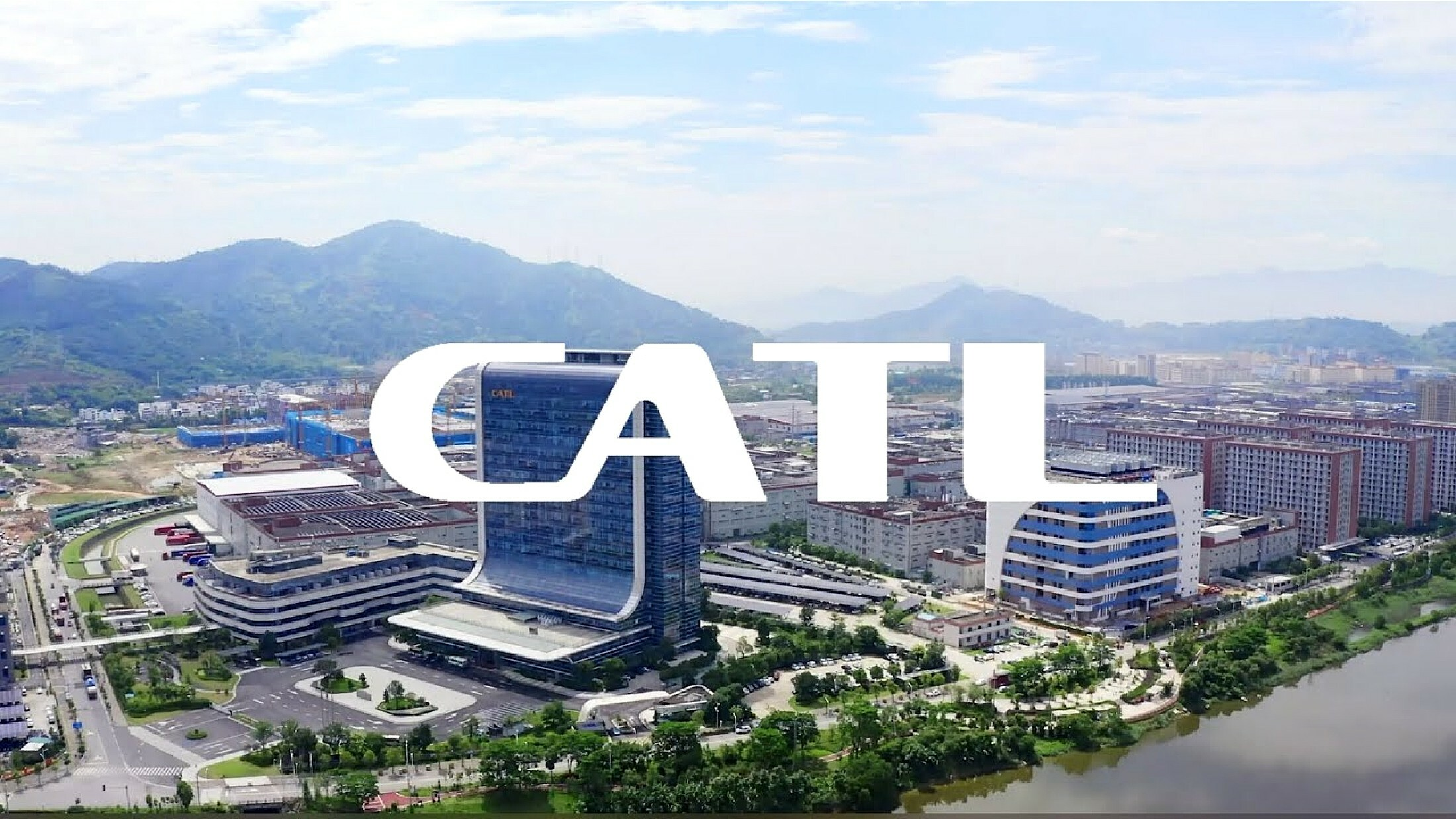

CATL to Begin Production at $8.5B Hungarian Battery Plant by Early 2026

CATL, the world’s largest electric vehicle battery maker, expects to begin production at its new €7.3 billion ($8.55 billion) plant in Debrecen, Hungary by early 2026, according to its Europe general manager Matt Shen. The timeline marks a slight delay from initial plans to start operations by the end of 2025.

The Debrecen facility will become CATL’s largest European site, with an annual capacity of 100 GWh—enough to power millions of EVs—and a workforce of about 9,000 people. It will significantly overshadow the company’s existing factory in Thuringia, Germany, and supply automakers including BMW, Stellantis, and Volkswagen.

Shen told Reuters that production is now targeted to start “at the end of this year or beginning of the next year, so the next four, five months.” CATL is among several Chinese battery giants presenting at the IAA Mobility show in Munich, as European carmakers face growing pressure from Chinese competition in the EV transition.

Despite signs of sluggish EV demand in Europe, CATL remains bullish. The company increased its global market share to 38% in 2024, up from 36% the previous year, according to SNE Research. It also raised $4.6 billion in a Hong Kong listing in May to help finance the Hungarian project.

“There are always some fluctuations,” Shen said. “For the overall trend, there is no doubt about that.”

Uber and Momenta to Launch Level 4 Self-Driving Tests in Munich in 2026

Uber and Chinese autonomous driving firm Momenta announced Monday that they will begin testing Level 4 self-driving vehicles in Munich, Germany, starting next year. The move marks Uber’s latest push to expand its robotaxi business beyond the U.S. and China.

Level 4 autonomy refers to vehicles capable of fully automated driving within defined conditions, though regulators still require safety oversight. Germany has emerged as a key testbed for autonomous mobility, with favorable legal frameworks and major automakers advancing the technology.

Uber has sought to secure its place in the robotaxi race through partnerships with Waymo (Alphabet), Lucid, and WeRide, while rivals like Tesla are also scaling their autonomous taxi services.

For its part, Momenta brings significant real-world experience. Its driver-assistance technology is already deployed in 400,000 vehicles globally through automaker partnerships. The collaboration with Uber, first announced in May, aims to accelerate deployment in international markets outside the U.S. and China.

The launch in Munich underscores the intensifying global competition in autonomous mobility, even as regulators maintain tight scrutiny following high-profile accidents in the sector.