Chinese battery stocks tumble after new export controls tighten grip on EV supply chain

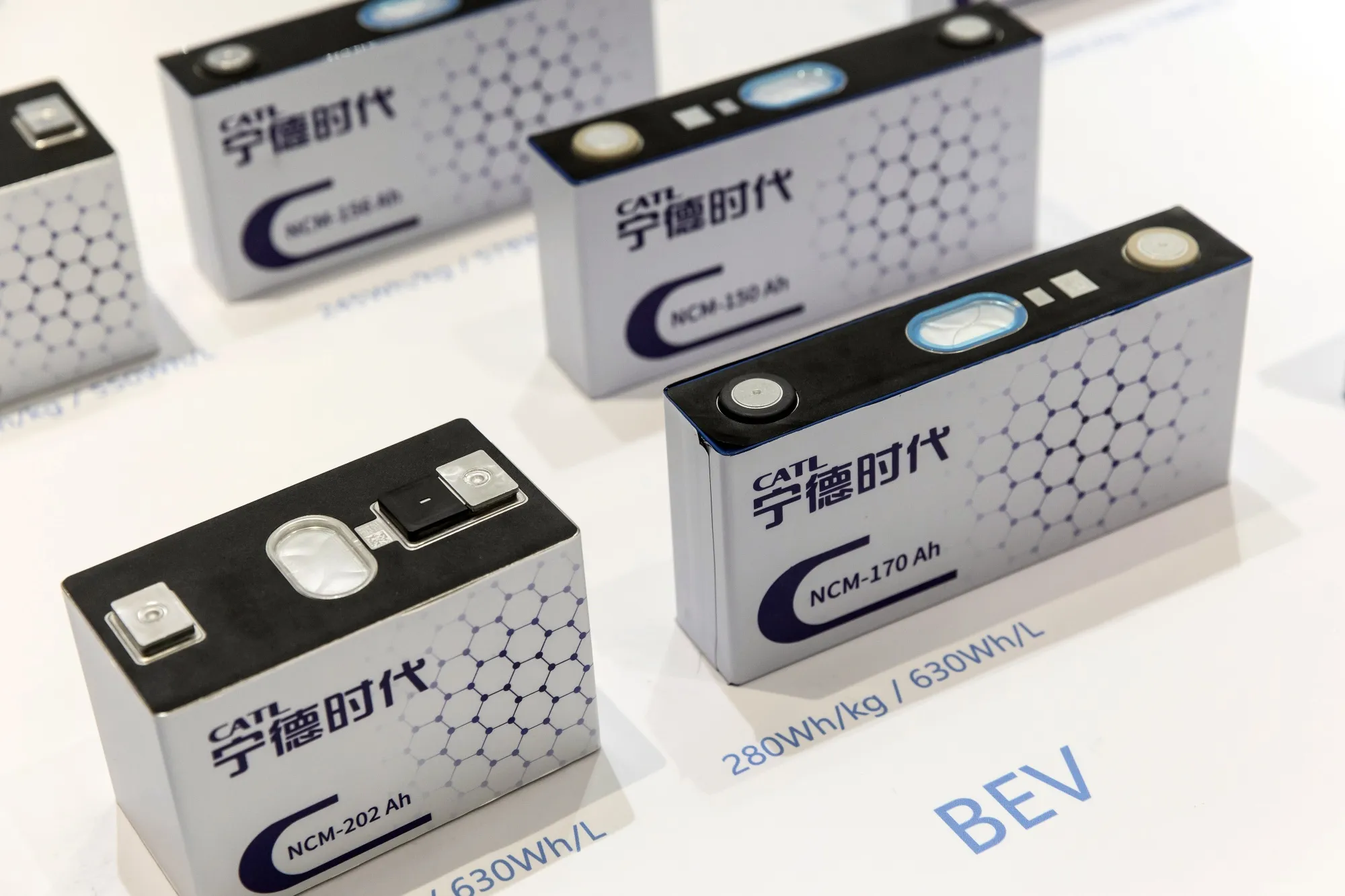
Chinese battery shares fell sharply on Friday after Beijing announced new export controls on lithium battery materials and technology, deepening its hold on a supply chain vital to global electric vehicle (EV) and energy storage industries.

The Ministry of Commerce said exporters of certain high-end lithium-ion batteries, cathode and graphite anode materials, and related technical know-how will now require permits starting November 8. The move follows China’s expanded restrictions on rare earths, escalating tensions with the United States ahead of a potential meeting between Presidents Donald Trump and Xi Jinping.

Shares of major producers sank: CATL dropped 6.82%, Tianqi Lithium fell 7.17%, EVE Energy plunged nearly 11%, and BYD lost 2.54% by market close. China’s New Energy Vehicles Index slid 6.02%.

“The new controls drastically expand how much of the lithium battery supply chain China is staking a claim to,” said Cory Combs of Trivium China, warning that Beijing could slow or limit export licenses to maintain leverage.

Analysts at Zaoshang Securities argued the impact should be limited, saying the measures stop short of a ban and that past controls, such as those on natural graphite, caused no major export decline. Still, investors remain uneasy as the curbs come alongside tighter EV tax exemption rules, which could hit domestic demand.

Chinese companies such as CATL and BYD, which supply automakers worldwide and operate joint ventures like the Ford-CATL plant in the U.S., could face ripple effects across global supply chains as Washington and Beijing compete for dominance in critical materials.
Musk’s new Tesla pay deal could earn billions even without “Mars-shot” breakthroughs

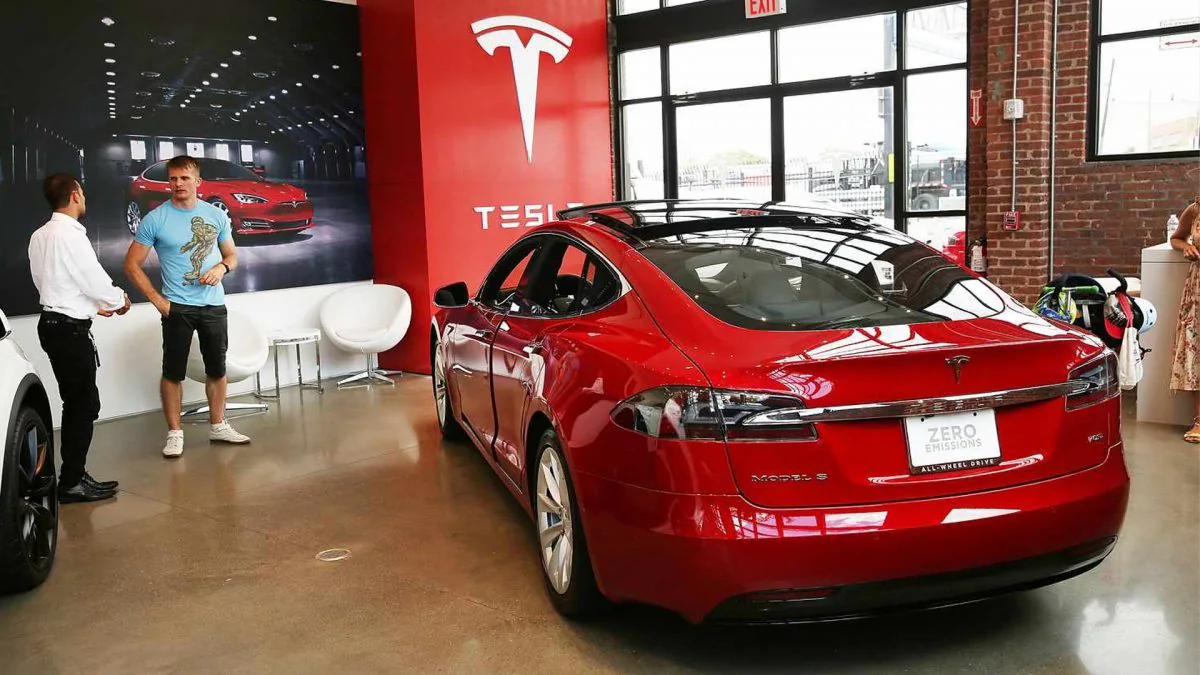
Elon Musk’s record-breaking $878 billion Tesla pay package, pitched as contingent on “Mars-shot” achievements, could still grant him tens of billions of dollars even if he misses the most ambitious goals, according to a Reuters analysis of the deal’s structure and expert evaluations.

When Tesla’s board approved the 10-year compensation plan in September, it told investors Musk would only earn shares by transforming Tesla and society through advances in AI, robotics, and autonomy. Yet performance experts say the plan’s vague definitions and lenient milestones could see Musk earning massive payouts without revolutionizing the company.

By achieving only a handful of easier targets—such as modest vehicle sales and incremental growth in Full Self-Driving (FSD) subscriptions—Musk could collect more than $50 billion in Tesla stock. Even two minor achievements, paired with a $2.5 trillion valuation, would grant him $26 billion, more than the lifetime pay of several top U.S. CEOs combined.

Critics argue that goals like selling 1.2 million cars annually or reaching 10 million FSD subscriptions are achievable without breakthroughs in autonomy or robotics. Experts also noted that definitions of “advanced driving system” and “robot” are so broad that Musk could qualify for payouts without delivering true self-driving or humanoid robots.

Tesla’s board insists the package is “worth zero unless value doubles,” yet corporate governance analysts warn that the structure grants Musk huge rewards with minimal accountability. The hardest targets—profit milestones up to $400 billion—may be out of reach, but Tesla’s market value could still reach $2–3 trillion over a decade with average stock growth.

Morningstar analyst Seth Goldstein said the company’s valuation already hinges on “future products that don’t exist today.” Whether Musk delivers them—or merely the promise—will decide if shareholders’ faith pays off.

Malaysia warns U.S. chip tariff changes could disrupt global supply chains

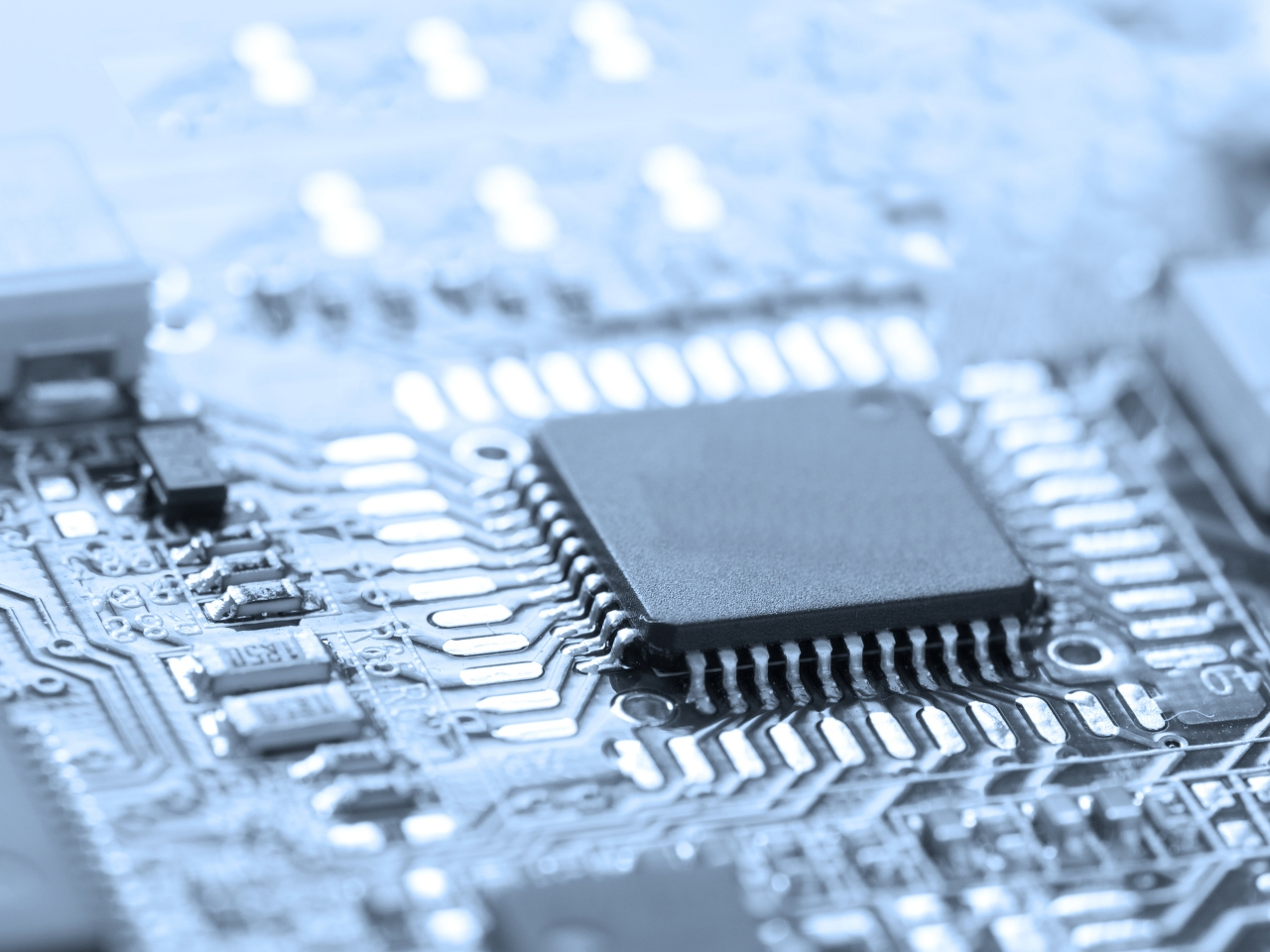
Malaysia has warned that any move by the United States to remove tariff exemptions on its semiconductor exports could hurt competitiveness and strain global supply chains, according to an economic outlook report released with the country’s 2026 budget.

The warning follows President Donald Trump’s decision in August to impose a 19% tariff on Malaysian exports to the U.S., with semiconductors temporarily exempt pending a national security review. Trump has also proposed a 100% tariff on imported chips, excluding firms with existing or planned U.S. manufacturing facilities.

“Any removal of the semiconductor exemptions could result in repercussions, reduce competitiveness and strain sectors that are closely integrated with U.S. supply chains,” Malaysia’s government said. The Southeast Asian nation is the world’s sixth-largest semiconductor exporter and a crucial link in global chip assembly and testing.

The report estimates that the tariffs could reduce Malaysia’s GDP growth by 0.76 percentage points, while trade volumes are expected to contract next year. The government had already lowered its 2025 growth forecast to between 4% and 4.8%, from a previous 4.5%–5.5% range, citing escalating trade tensions. For 2026, it expects growth between 4% and 4.5%.

Economists say the tariff uncertainty threatens to disrupt Asia’s semiconductor supply network, which supports major American chipmakers like Intel and Texas Instruments that rely on Malaysia for downstream production.