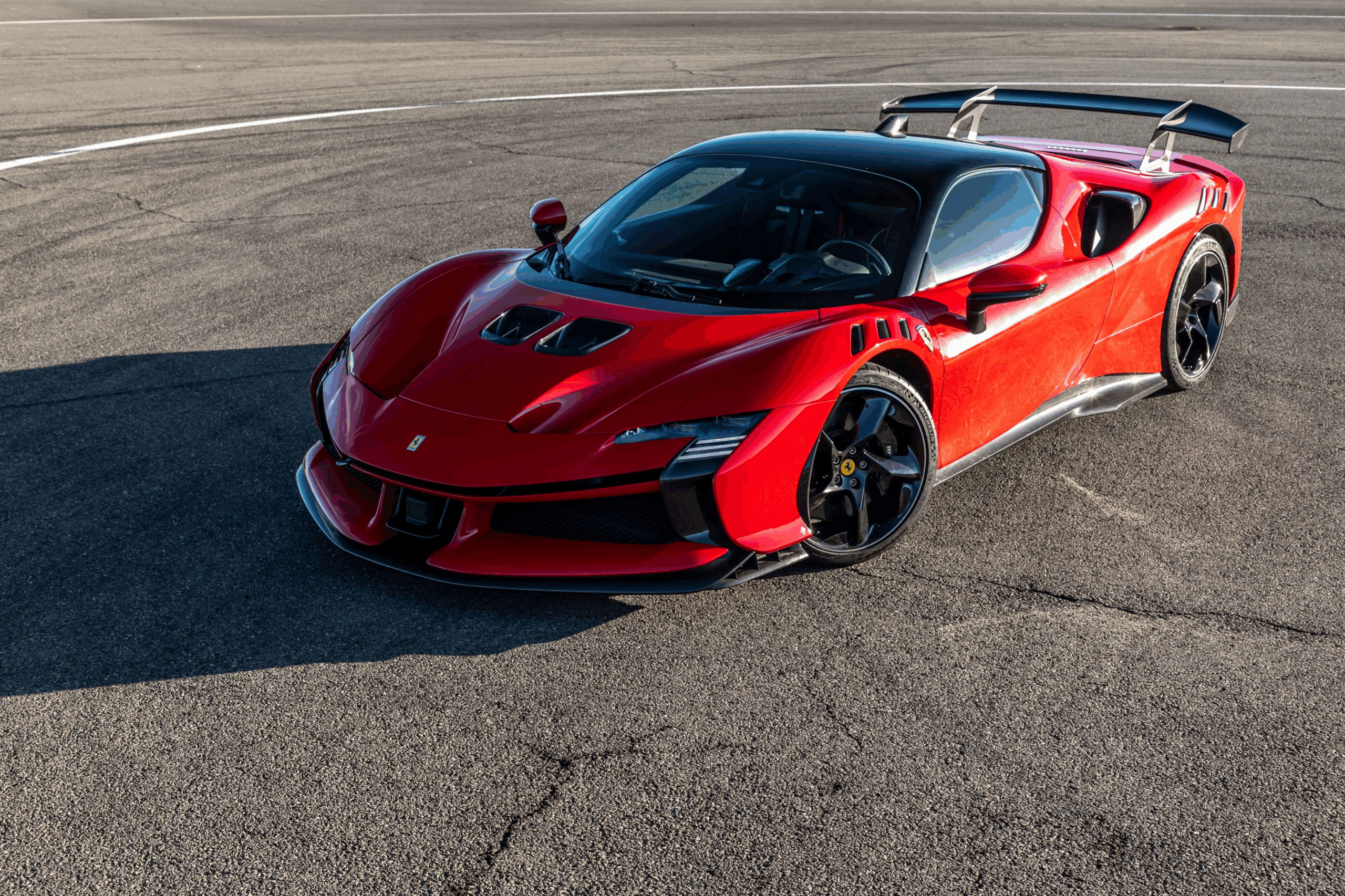
Ferrari unveils the tech behind its first electric car, the Elettrica

Ferrari has pulled back the curtain on the Elettrica, its first fully electric vehicle, marking a pivotal moment in the storied automaker’s 78-year history. The reveal took place at its Maranello headquarters, where the company showcased the car’s production-ready chassis, complete with battery pack and electric motor — but no exterior bodywork yet.

Set for a global debut next year, the Elettrica will feature a top speed of 310 km/h (193 mph) and a range of at least 530 km, slightly below Ferrari’s combustion models but still placing it among the fastest EVs in its class. In true Ferrari style, it will include a custom sound system that amplifies vibrations from the powertrain to create an authentic, non-simulated “electric Ferrari” sound.

“This is an historic day for us. We all have goosebumps,” said CEO Benedetto Vigna, stressing that the EV is meant to complement, not replace, Ferrari’s traditional lineup. “The EV is an addition, not a transition.”

The Elettrica, expected to cost around €500,000, will use 75% recycled aluminum and feature an integrated floor battery to lower its center of gravity for improved handling. Ferrari plans for 20% of its models to be fully electric by 2030, a more cautious approach than rivals like Porsche or Lamborghini.

Experts say the challenge will be delivering “an EV that feels like a Ferrari.” As former Aston Martin CEO Andy Palmer noted, the car must embody emotion and craftsmanship, not just speed — something that no €30,000 mass-market EV can replicate.
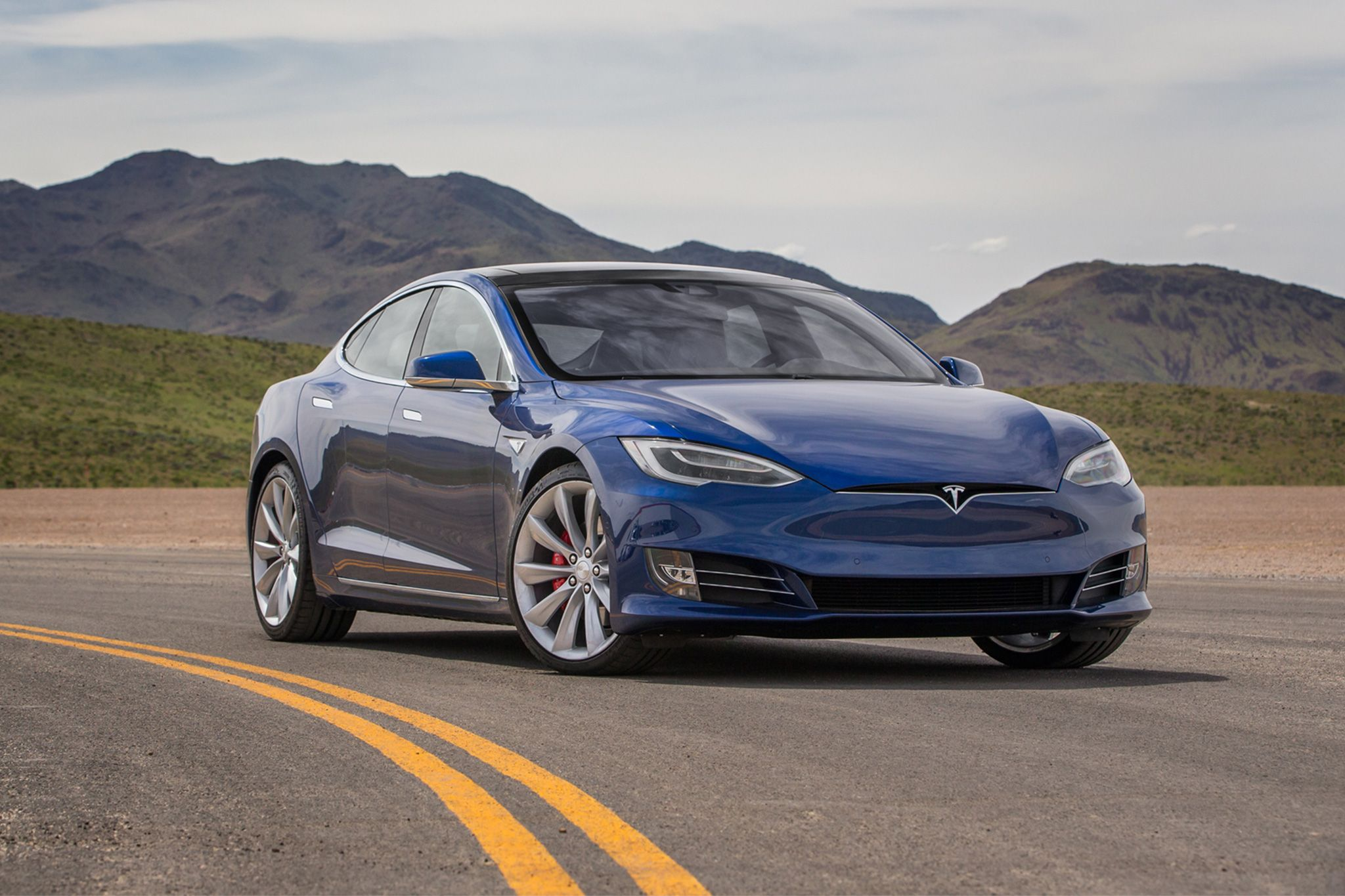
U.S. investigates 2.9 million Teslas over Full Self-Driving traffic violations

The U.S. National Highway Traffic Safety Administration (NHTSA) has launched an investigation into 2.88 million Tesla vehicles equipped with the company’s Full Self-Driving (FSD) software after receiving more than 50 reports of traffic violations and crashes linked to the system.

The agency said the FSD feature — which requires driver attention and intervention — has in some cases “induced vehicle behavior that violated traffic safety laws,” including driving through red lights and making illegal lane changes. So far, 58 incidents have been reported, 14 resulting in crashes and 23 injuries, according to NHTSA.

In at least six cases, Teslas running FSD reportedly entered intersections against red signals, leading to collisions, four of which caused injuries. The regulator said it is also examining FSD’s behavior at railroad crossings following concerns raised by U.S. lawmakers over near-miss incidents.

The probe marks a preliminary evaluation, the first stage before a potential vehicle recall if safety risks are confirmed. Tesla shares slipped 2.1% following news of the investigation, first reported by Reuters.

Tesla recently issued a software update for FSD, though the company has not publicly commented on the probe. The system has been under continuous federal scrutiny amid concerns that its branding and performance blur the line between driver assistance and full automation.

Experts say the U.S. action may pressure other regulators to examine the growing use of semi-autonomous technologies in vehicles worldwide.

Intel unveils Panther Lake, first chip built on next-gen 18A process

Intel has revealed new details of Panther Lake, its upcoming laptop processor and the first to be manufactured using the company’s next-generation 18A technology. The chip, aimed at AI-enabled premium PCs, marks a critical milestone in Intel’s bid to reclaim leadership in semiconductor manufacturing from AMD and TSMC.

According to Intel, Panther Lake’s integrated graphics and CPU deliver 50% faster performance than the current Lunar Lake line, which was largely produced by Taiwan’s TSMC. The new 18A process introduces a redesigned transistor structure and a more efficient power delivery system, allowing higher performance at lower energy costs.

The chip uses a system-on-chip architecture, combining CPU and GPU components into a single circuit to boost efficiency. Production ramps up this year, with first shipments expected by late 2025 and broad availability from January 2026.

Industry experts see Panther Lake as a major credibility test for Intel’s comeback strategy. “It’s a confirmation of Intel’s continued advancements in chip manufacturing,” said Bob O’Donnell, chief analyst at Technalysis Research.

New CEO Lip-Bu Tan, who took over amid leadership turmoil, has scaled back expansion plans while focusing on core innovation. Intel’s Arizona Fab 52 facility is now fully operational and will also produce the company’s Clearwater Forest server chips, slated for release in 2026.

As Intel seeks to reassert itself in both the PC and AI data center markets, Panther Lake’s success will be a key signal to investors that its long-promised manufacturing turnaround is finally taking shape.