Adtalem and Google Cloud team up to launch AI credential program for healthcare workers

Adtalem Global Education announced on Wednesday a new partnership with Google Cloud to launch an artificial intelligence credential program designed to train healthcare professionals in using AI tools for clinical practice. The program, scheduled to begin in 2026, will be available to students and clinicians across Adtalem’s institutions, including Chamberlain University and Walden University.

The initiative will provide hands-on experience with Google Cloud technologies such as Gemini models and Vertex AI, alongside coursework covering AI applications in healthcare, ethical standards, and patient safety. Participants will also learn to use AI-driven tools already being deployed in hospitals and clinical systems.

The partnership comes as healthcare systems face severe staffing shortages and increasing demand for digital solutions. Despite the rapid adoption of AI across medical settings, many clinicians remain unprepared to integrate it into their daily practice. Adtalem, which serves over 91,000 students and has 365,000 alumni, says the program will help bridge that gap.

“Our partnership with Google Cloud gives students a competitive edge — helping them use AI responsibly to improve clinical decision-making and spend more time with patients,” said Adtalem Chief Digital Officer Michael Betz.

Google Public Sector’s Brent Mitchell added that the collaboration aims to ensure healthcare professionals can implement AI “safely, responsibly and effectively.”
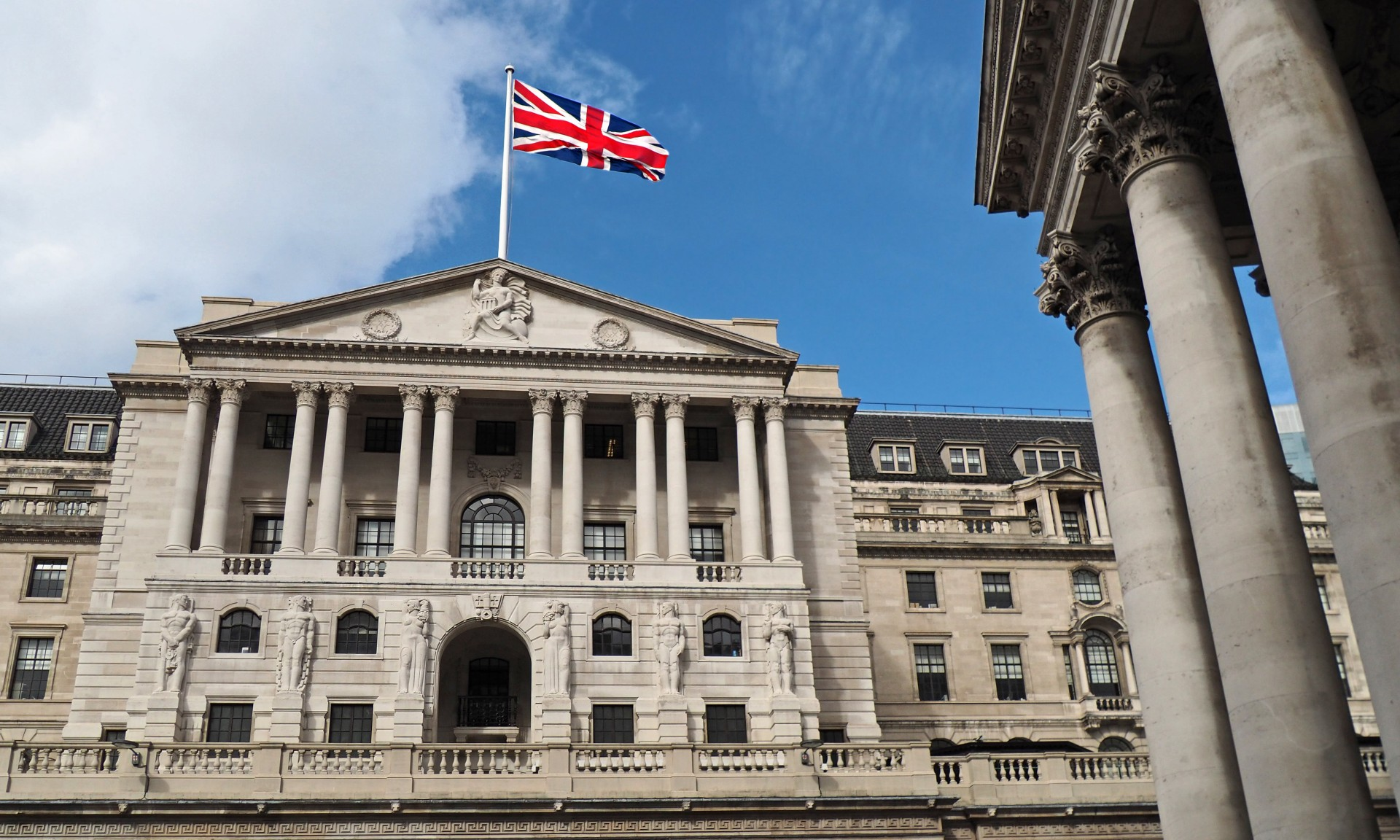

Bank of England to lift stablecoin limits only once risks to financial stability subside

The Bank of England (BoE) will maintain its proposed limits on stablecoin holdings until it is certain that the digital assets pose no risk to the broader financial system, Deputy Governor Sarah Breeden said on Wednesday.

In a speech, Breeden emphasized that the central bank’s cautious approach stems from concerns that large and sudden outflows of bank deposits into stablecoins could destabilize traditional lending. “Such outflows could lead to a precipitous drop in credit for businesses and households,” she warned, if banks are unable to replace lost deposits quickly through wholesale funding.

The BoE has previously suggested caps of between £10,000 and £20,000 ($12,800–$25,600) for individuals, with higher thresholds for businesses. The final levels will be detailed in a consultation paper next month, which will outline the UK’s future stablecoin regulatory framework.

Breeden said the caps would be lifted “once we see that the transition no longer threatens the provision of finance to the real economy.” Large corporations, however, may be exempt so they can hold higher amounts if necessary.

Under the UK’s proposed framework, the BoE would oversee systemic sterling-backed stablecoins — those expected to play a major role in payments — while the Financial Conduct Authority (FCA) would regulate smaller issuers. The BoE is also working with the Treasury on a resolution regime to ensure continuity of services if a stablecoin issuer fails.

Breeden rejected criticism that the UK is lagging in crypto regulation, noting that Britain aims to finalise its framework next year, aligning its timeline with the United States.

Investors weigh risks that could derail Wall Street’s AI-driven rally

Artificial intelligence has fueled a powerful stock market rally since 2022, but investors are increasingly alert to the potential risks that could threaten the “AI trade” underpinning record market highs. Citigroup estimates nearly half of the S&P 500’s $57 trillion market capitalization now has “high” or “medium” exposure to AI, making the technology a defining force on Wall Street.

The S&P 500 is up 13% this year, while the Nasdaq Composite has gained 17%, driven largely by tech and AI-linked companies. Yet analysts warn that the sector’s strength also makes it vulnerable to shocks. Concerns have surfaced before — from China’s launch of the low-cost AI model Deepseek to fears about runaway spending on data centers — though markets have repeatedly rebounded.

“There’s a lot of growth priced in,” said Steve Lowe of Thrivent Financial. “That’s the concern — whether the expectations can really hold up.”

Massive capital spending remains a central focus. Barclays projects that annual AI-related infrastructure investment by major “hyperscalers” — including Microsoft, Amazon, Alphabet, Meta, and Oracle — will double to $500 billion by 2027. While these companies generate vast cash reserves, analysts caution that overspending could pressure margins or lead to greater leverage.

Others highlight systemic risks from the close financial ties within the AI ecosystem, such as Nvidia’s recent $100 billion commitment to OpenAI. Energy infrastructure is another growing concern, with power supply seen as a potential bottleneck for new data centers.

Some investors remain bullish over the next 12 to 18 months, but warn that any slowdown in AI spending or signs that investments aren’t yielding expected returns could shake market confidence. “If it starts to look like the payoff isn’t coming,” said Patrick Ryan of Madison Investments, “that could be what finally trips the trade.”