
Apple defies slowdown with higher iPhone shipments in China thanks to iPhone 17

Apple’s shipments in China rose slightly in the third quarter, boosted by strong demand for its new iPhone 17 series, according to data released by research firm IDC. Shipments grew 0.6% year-on-year to 10.8 million units, giving Apple a 15.8% share of China’s smartphone market and securing its position as the country’s second-largest vendor.

Overall, China’s smartphone market continued to face weak demand, with total shipments falling 0.6% to 68.4 million units in the third quarter, following a 4% drop in the previous quarter. Despite the sluggish environment, Apple outperformed rivals, becoming the only brand among China’s top three vendors to post growth during the period.

IDC analyst Will Wong credited the success to Apple’s “value-for-money” iPhone 17 base model, which appealed to cost-conscious consumers while maintaining premium quality. By contrast, Huawei’s shipments slipped 1% to 10.4 million units, placing it third, and Xiaomi’s fell 1.7% to 10 million units, ranking fourth. Market leader Vivo saw a sharper decline of 7.8%, down to 11.8 million units.

IDC expects the Chinese smartphone market to recover modestly in early Q4, driven by the release of new flagship models launched in recent months.
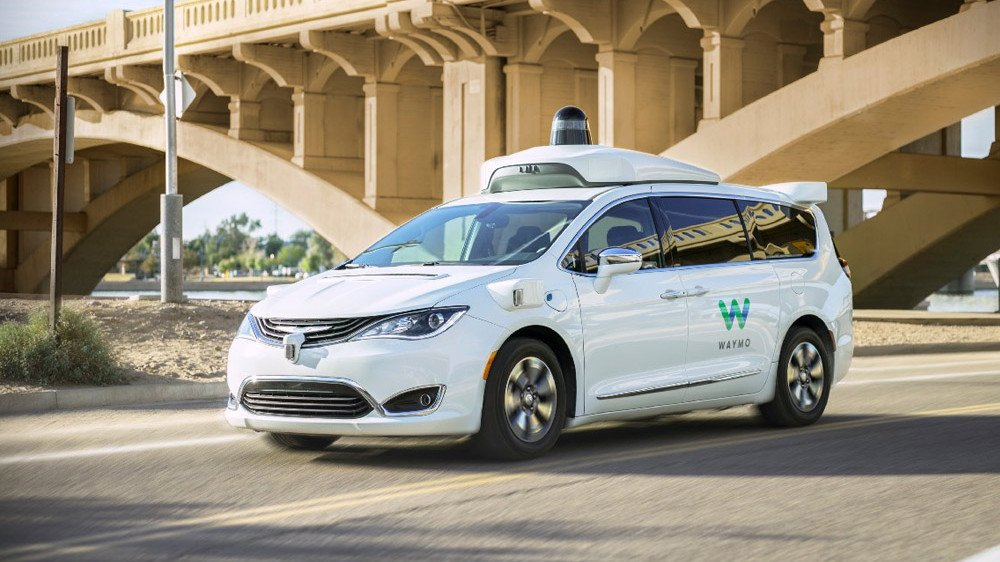

Waymo to launch driverless ride-hailing service in London in 2026

Alphabet’s autonomous vehicle subsidiary, Waymo, announced plans to launch its fully driverless ride-hailing service in London next year, marking its first major expansion into Europe. The company, which has been gradually scaling operations in the United States, aims to bring its robotaxi technology to one of the world’s most densely regulated urban environments.

Waymo said it will partner with vehicle financing firm Moove to manage fleet operations, facilities, and charging infrastructure in London. The company is also working closely with local and national authorities to obtain the necessary regulatory approvals ahead of the launch. According to a spokesperson, vehicles are already en route to London, where they will initially be tested with safety drivers before transitioning to full autonomy in 2026.

In the U.S., Waymo currently provides over 250,000 paid trips weekly across cities including San Francisco, Los Angeles, Phoenix, Atlanta, and Austin, with a fleet of roughly 1,500 vehicles. The company has also been expanding internationally, collecting data in Tokyo earlier this year in collaboration with Japanese partners Nihon Kotsu and Go.

The move comes amid intensifying competition in the autonomous transport sector, as Tesla prepares to debut its long-promised robotaxi service and Uber plans to trial fully driverless rides in the UK in partnership with AI startup Wayve. Despite regulatory challenges and technical setbacks in the U.S., Waymo’s London project signals renewed momentum for commercializing self-driving technology.

Altice France rejects €17 billion takeover bid for SFR from telecom rivals

Altice France, the owner of SFR, has rejected a €17 billion ($19.8 billion) joint offer from French telecom giants Bouygues Telecom, Iliad’s Free, and Orange. The move dampens investor hopes for long-awaited consolidation in Europe’s competitive telecom market.

In a memo to employees, CEO Arthur Dreyfuss confirmed that the proposal, which valued Altice France at around €21 billion, had been “immediately rejected.” The bid’s rejection came after it boosted shares of major telecom firms, with Bouygues hitting a seven-year high before closing 9% higher, while Orange rose 3%. The CAC 40 index also gained 2%, lifted by speculation of industry consolidation.

Despite the rejection, Bouygues, Orange, and Iliad reaffirmed their commitment to the proposal, saying it would benefit “customers, employees, creditors, and shareholders.” Analysts at J.P. Morgan viewed the offer as stronger than expected, estimating SFR’s standalone value at €16 billion but noting potential synergies could lift it beyond €20 billion.

Finance Minister Roland Lescure said the government would be “extremely vigilant” about the deal’s potential effects on prices and service quality. Any merger would need approval from French or EU regulators, given that France has maintained four major mobile operators since 2012.

SFR, the country’s second-largest telecom provider, currently serves over 19 million mobile and 6.1 million fiber customers. Analysts suggest that if consolidation moves forward, it could influence similar restructurings across other European markets.