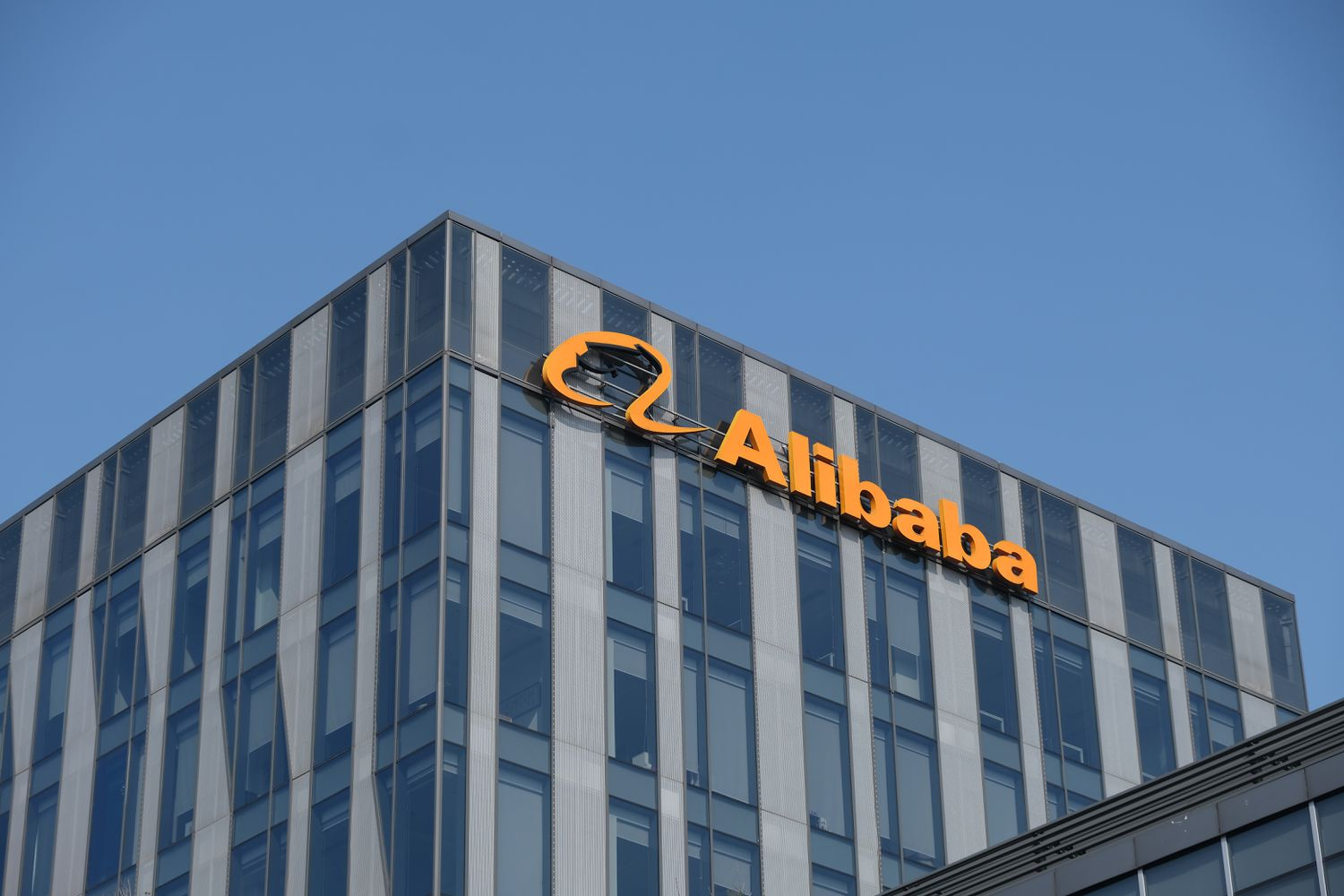
Alibaba Cloud opens second data centre in Dubai to expand AI and cloud services

Alibaba Cloud, the digital technology and artificial intelligence arm of Chinese e-commerce giant Alibaba Group, has launched its second data centre in Dubai, nine years after opening its first in the region. The expansion reflects Alibaba’s ambition to strengthen its global cloud computing footprint and support rising demand across the Middle East.

The launch is part of Alibaba’s broader commitment to invest 380 billion yuan ($53 billion) over three years in cloud infrastructure and AI capabilities. Although the company did not disclose specific financial details for the Dubai facility, it said the move aims to empower both public and private sectors in adopting artificial intelligence technologies more rapidly.

“The Middle East’s advantageous position in fast-tracking AI adoption and its collaborative ecosystem are crucial enablers for companies to thrive,” said Eric Wan, vice president of Alibaba Cloud International and regional general manager of Alibaba Cloud Intelligence.

The United Arab Emirates (UAE) has emerged as a regional leader in AI development, investing billions to diversify its economy beyond oil. In May, the UAE announced plans to build the largest AI campus outside the United States through partnerships with Nvidia, OpenAI, and other global tech firms.

At the GITEX Global technology exhibition in Dubai, Alibaba Cloud also revealed new partnerships with companies such as Abu Dhabi-backed Wio Bank, aiming to use its local data infrastructure to accelerate AI and fintech deployment across the region.

Google announces $15 billion AI data centre in India, its biggest investment yet

Google will invest $15 billion over the next five years to build a major artificial intelligence (AI) data centre in the southern Indian state of Andhra Pradesh, marking the company’s largest-ever investment in India. The data centre, to be located in Visakhapatnam, will have an initial capacity of 1 gigawatt, serving as Google’s largest AI hub outside the United States.

The announcement came during an event in New Delhi attended by India’s finance and technology ministers. Google Cloud CEO Thomas Kurian said the project aims to support India’s growing AI ambitions: “This long-term vision we have is to accelerate India’s own AI mission.”

The investment underscores Google’s commitment to expanding its global data infrastructure, with the company planning to spend around $85 billion this year worldwide to boost cloud and AI capabilities.

However, the timing of the announcement coincides with rising diplomatic tension between Washington and New Delhi, following U.S. tariffs on Indian goods and calls within India to boycott foreign products. Despite this, Google said the initiative “creates substantial economic and societal opportunities for both India and the United States.”

Google will partner with Adani Group and Airtel to build the new facility and its accompanying international subsea gateway, which is expected to generate over 188,000 jobs, according to earlier state estimates.

The project places Google alongside Microsoft and Amazon, who have also invested heavily in India’s rapidly expanding data centre market — home to nearly a billion internet users and a booming digital economy.

Nabla Bio and Takeda deepen AI-powered drug discovery partnership

U.S. biotech startup Nabla Bio has expanded its collaboration with Japanese pharmaceutical giant Takeda, signing a new multi-year agreement to further integrate artificial intelligence (AI) into the drug discovery process.

The partnership, building on an initial 2022 deal, includes upfront and research payments in the double-digit millions, with Nabla eligible for success-based milestones exceeding $1 billion. The companies will use Nabla’s proprietary Joint Atomic Model (JAM) platform to design next-generation protein-based therapeutics, including multi-specific drugs targeting hard-to-treat diseases.

Nabla CEO Surge Biswas described JAM as a system that “responds to molecular queries the way ChatGPT answers text questions,” generating custom antibody designs that meet specific biological targets. The company says its technology offers one of the fastest feedback loops in the biotech sector — only three to four weeks from computational design to laboratory testing.

Takeda’s renewed focus on scalable, AI-driven drug types follows its decision to exit cell therapy research earlier this year. The Japanese firm also recently joined a consortium with Bristol Myers Squibb to develop AI models using shared pharmaceutical data.

Nabla expects to deliver first-in-human data from its AI-designed therapeutics within one to two years, marking another milestone in the industry’s growing reliance on AI to cut development timelines and boost innovation.