Huawei Confirms November Launch for FreeBuds Pro 5 Featuring NearLink Audio Technology

Huawei is set to launch the FreeBuds Pro 5 later this month in China, marking the company’s latest flagship entry in the wireless earbuds market. Reservations are now open, allowing consumers to preview the earbuds’ sleek design and available color options. The FreeBuds Pro 5 will succeed the FreeBuds Pro 4, which debuted in November 2024 and offered up to 33 hours of total battery life.

The upcoming earbuds have been teased with NearLink Audio technology, promising enhanced connectivity and superior audio performance. He Gang, CEO of Huawei’s Consumer Business Unit, shared the teaser on social media, giving fans a first look at the earbuds’ design and confirming the imminent launch. The FreeBuds Pro 5 is expected to continue Huawei’s focus on premium sound quality and innovative features in the TWS segment.
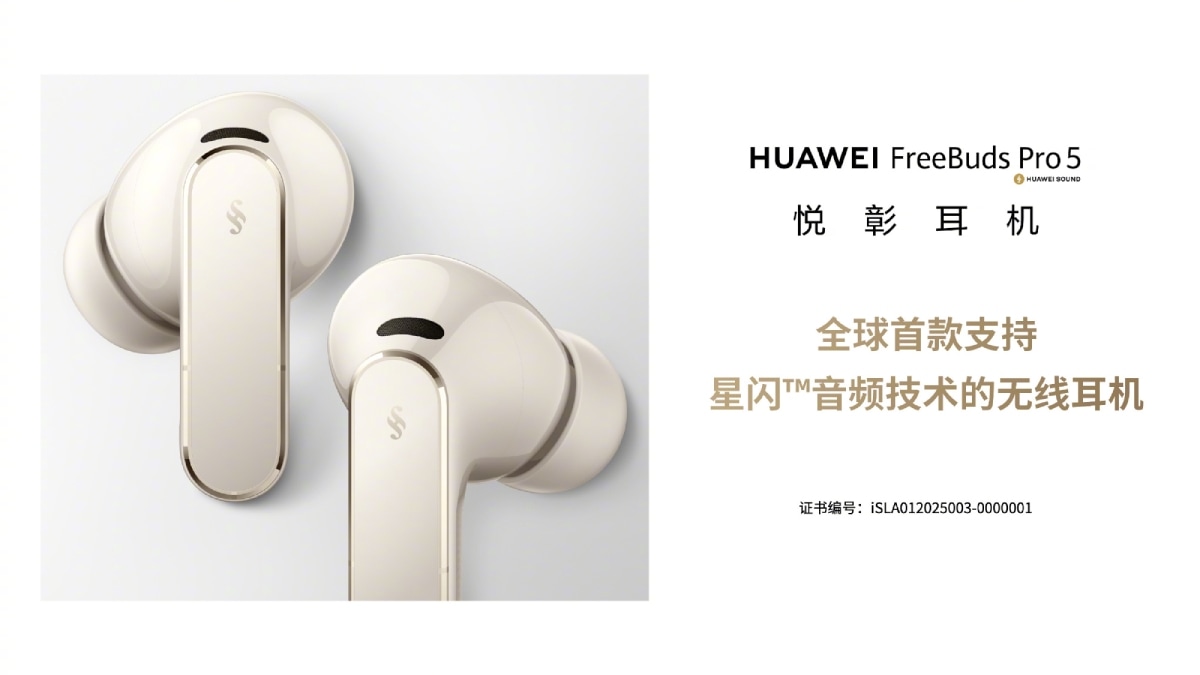
huawei freebuds pro 5 huawei teaser inline freebuds pro 5

The launch may coincide with the release of the Huawei Mate 80 series, indicating a strategic push by the company to strengthen its consumer electronics ecosystem in China. With advanced features and an emphasis on audio quality, the FreeBuds Pro 5 aims to compete strongly in the crowded flagship earbuds market, targeting both music enthusiasts and tech-savvy consumers.

As the launch date approaches, Huawei enthusiasts are eager to see how NearLink Audio technology enhances wireless audio experiences. With the combination of improved battery life, sleek design, and cutting-edge connectivity, the FreeBuds Pro 5 could set a new standard for the company’s premium audio offerings, further expanding Huawei’s presence in the competitive TWS earbuds space.

Google Agrees to Play Store Changes in Settlement With Epic Games

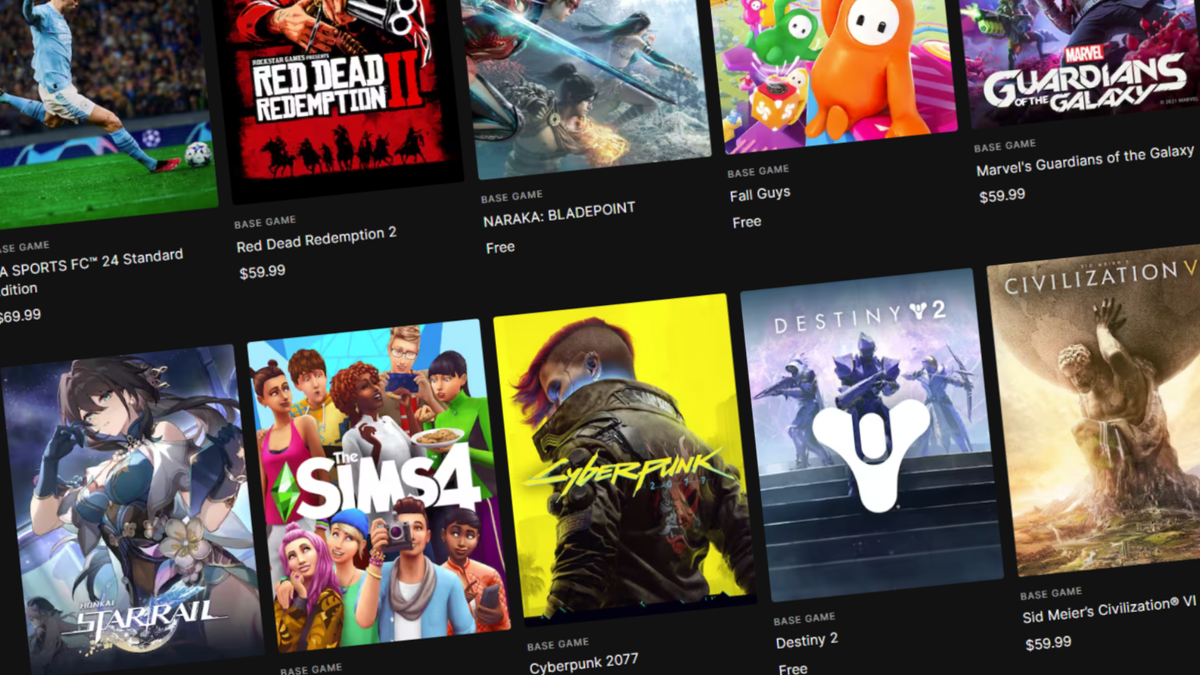
Epic Games Store current free games | PC Gamer

Alphabet’s Google announced on Tuesday that it has reached a comprehensive U.S. court settlement with Epic Games, the maker of Fortnite, to implement a series of Play Store reforms. The agreement, which marks the end of a multi-year legal battle, focuses on lowering app store fees, boosting competition, and expanding choices for both developers and consumers within the Android ecosystem.

In a joint filing submitted to the U.S. District Court in San Francisco, Google and Epic Games requested that Judge James Donato review and approve the proposed settlement. The agreement seeks to resolve Epic’s 2020 antitrust lawsuit, which accused Google of maintaining an illegal monopoly over how users download apps and make in-app purchases on Android devices.

The lawsuit had been one of the most closely watched cases in the global debate over app store dominance and developer fairness, echoing Epic’s earlier legal clash with Apple. Epic argued that Google’s policies restricted competition by forcing developers to use its billing system and pay service fees that limited their ability to offer lower prices or alternative payment options.

While Google has denied any wrongdoing throughout the proceedings, the settlement signals a significant step toward reforming the Play Store’s business model. If approved, the proposed changes could reshape how Android app distribution and monetization work—potentially setting new standards for transparency, competition, and developer empowerment across the mobile ecosystem.

The Smart Way to Cut Your Electricity Bill: How Timer Plugs Work

In an age where almost every household device seems to have turned “smart,” even something as simple as a power plug has evolved. Among the most practical innovations are timer plugs, small yet powerful tools designed to help you save energy and reduce your electricity bill effortlessly.

A timer plug works as an automatic switch that turns appliances on and off according to a preset schedule. Once connected to a wall socket, you can plug in any electrical device—such as a heater, lamp, or coffee maker—and program when it should start or stop operating.

The main advantage is energy efficiency. Timer plugs prevent unnecessary power use by ensuring that appliances only operate when needed, helping to eliminate “phantom” energy consumption from devices left on standby. They’re also useful for home security, as lights can be programmed to turn on and off while you’re away, simulating occupancy.

These plugs are especially handy for managing lighting systems, air conditioners, water heaters, and irrigation systems, allowing users to match operation times with cheaper energy rate hours.

Installation is simple: plug the timer into the wall, connect your device, set the hours, and you’re done. Models come in two main types — analog timers, which resemble clock dials, and digital versions, which often include screens and even mobile apps for remote control.

Timer plugs have become one of the easiest and most affordable ways to gain control over home energy consumption, combining convenience, safety, and sustainability in a single device.