
Meta, TikTok and YouTube Face Trial Over Youth Addiction Claims

Meta Platforms, TikTok and YouTube will stand trial in California this week over allegations that their platforms contributed to youth addiction and mental health harm, marking a pivotal moment in long-running legal battles against Big Tech. The case, being heard in Los Angeles County Superior Court, is widely seen as a test for thousands of similar lawsuits filed across the United States.

The plaintiff, a 19-year-old California woman identified as K.G.M., alleges that she became addicted to social media at a young age due to design features intended to maximize user engagement. According to court filings, she says prolonged exposure to these platforms worsened her depression and contributed to suicidal thoughts. Jury selection is set to begin on Tuesday.

The lawsuit names Meta Platforms, TikTok and YouTube as defendants. K.G.M.’s legal team argues the companies should be held responsible not for user-generated content, but for product designs they say intentionally encourage compulsive use among minors.

The trial challenges a decades-old legal shield that has largely protected social media companies from liability. A federal law has historically exempted platforms from responsibility for content posted by users, and the companies argue that protection applies in this case. A verdict against them could weaken that defense and open the door to broader accountability, potentially pushing the issue toward the U.S. Supreme Court.

Mark Zuckerberg is expected to testify, with Meta arguing its products did not cause the plaintiff’s mental health struggles. TikTok declined to comment on its legal strategy, while YouTube has said its platform differs fundamentally from social media apps and should not be treated the same way.

Snap was also named in the lawsuit, but Snap agreed to settle with the plaintiff in January. The company has not disclosed details of the agreement.

As the trial unfolds, the tech firms are simultaneously promoting safety tools and parental controls aimed at teens. Critics say these efforts risk confusing parents and deflecting attention from deeper design concerns.

The outcome of the case could shape future litigation and redefine how courts assess responsibility for digital products used by children.

Drugmakers Turn to AI to Speed Trials and Submissions

Pharmaceutical companies are increasingly using artificial intelligence to accelerate clinical trials and regulatory submissions, even as AI has yet to deliver major breakthroughs in discovering new drugs. Industry executives say the technology is already saving weeks by automating participant recruitment, site selection, and the preparation of vast regulatory documentation.

Executives from major drugmakers including Eli Lilly, AstraZeneca, Roche, and Pfizer said at the JP Morgan Healthcare Conference that AI tools are helping manage thousands of pages of clinical, safety, and manufacturing records required by regulators worldwide.

Drug development can take more than a decade and cost around $2 billion. Companies are betting that AI can improve efficiency and success rates by handling what executives call the “messy middle” of development. Consultancy McKinsey estimates that autonomous, or agentic, AI could lift clinical development productivity by up to 45% over the next five years.

Israeli drugmaker Teva Pharmaceutical Industries said it is using AI to streamline processes so researchers can focus on bringing new medicines to market. Meanwhile, Novartis used AI to cut site selection for a large cardiovascular trial from weeks to hours, helping it hit enrollment targets with minimal overshoot.

Other companies are also reporting tangible savings. GSK said digital and AI tools helped reduce late-stage trial costs by millions of pounds, while Denmark’s Genmab plans to deploy AI agents to automate post-trial analysis and reporting.

While investors are still waiting for the first fully AI-designed blockbuster drug, executives say the technology is already reshaping how trials are run and how data is submitted. Amgen’s research chief said many AI-designed molecules are already moving through pipelines, suggesting the biggest impact may still lie ahead.

SEC Drops Case Against Winklevoss-Founded Gemini

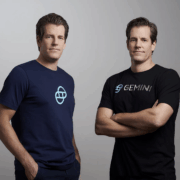
The U.S. Securities and Exchange Commission has agreed to dismiss its enforcement case against cryptocurrency exchange Gemini, founded by billionaire twins Tyler Winklevoss and Cameron Winklevoss, after investors in its lending programme recovered their assets in full.

The SEC and Gemini filed a joint stipulation in federal court in Manhattan on Friday, citing the complete return of crypto assets to Gemini Earn investors through the Genesis Global Capital bankruptcy process between May and June 2024.

In 2023, the SEC charged Genesis and Gemini Trust Company with illegally selling securities via the Gemini Earn programme, which allowed customers to lend crypto assets to Genesis in exchange for interest. At its peak, the programme held about $940 million in assets before Genesis froze withdrawals in November 2022.

Unlike several crypto firms that collapsed after the 2022 market downturn, Genesis ultimately returned customers’ crypto in kind rather than liquidating assets and paying cash. The SEC said this full recovery made dismissal of the claims appropriate, while stressing the decision does not set a precedent for other cases.

The move reflects a broader shift in U.S. crypto enforcement under President Donald Trump, who has pledged a more industry-friendly regulatory approach. Gemini did not immediately comment on the dismissal.