Samsung to Start HBM4 Production for Nvidia Supply

Samsung Electronics plans to begin production of its next-generation high-bandwidth memory chips, known as HBM4, next month and supply them to Nvidia, a person familiar with the matter told Reuters.

The move marks a key step in Samsung’s efforts to close the gap with local rival SK Hynix, which has emerged as the primary supplier of advanced memory used in Nvidia’s AI accelerators. Earlier supply delays had weighed on Samsung’s earnings and share price last year.

Samsung shares rose 2.2% in morning trade, while SK Hynix shares fell 2.9%. The source declined to disclose shipment volumes. Samsung declined to comment, and Nvidia was not immediately available for comment.

South Korean newspaper Korea Economic Daily reported that Samsung recently passed HBM4 qualification tests for Nvidia and AMD, and is set to begin shipments to Nvidia next month, citing industry sources.

SK Hynix said in October it had completed supply talks with major customers for next year and plans to deploy silicon wafers at its new M15X fab in Cheongju starting next month. It has not confirmed whether HBM4 will be part of the initial output.

Both Samsung and SK Hynix are due to report fourth-quarter earnings later this week, when further details on HBM4 orders are expected. Nvidia CEO Jensen Huang has said the company’s next-generation Vera Rubin AI platform is already in full production and will be paired with HBM4 chips later this year.
Heathrow Rolls Out New Scanners Ending Liquid and Laptop Checks

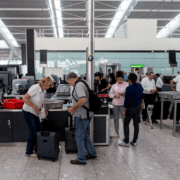
Passengers travelling through Heathrow Airport will no longer need to remove liquids or laptops from their hand luggage, as the airport has completed a full rollout of advanced CT security scanners across all four terminals. Heathrow said it is now the world’s largest airport to operate the technology at every security lane.

The high-resolution 3D scanners allow travellers to keep items such as shampoos, water bottles, tablets and laptops inside their bags during screening, significantly reducing the need for manual checks. Depending on regulatory approval, passengers may also be able to carry liquid containers of up to two litres, potentially ending the long-standing 100-millilitre rule introduced in 2006 after a foiled liquid explosives plot.

Airports in cities including New York, Hong Kong and Dubai have begun adopting similar systems to speed up security processes. Heathrow said the upgrade cost around £1 billion and comes as the airport pursues plans for a third runway.

Taiwan Eyes More Chip Investment in Arizona to Deepen US Ties

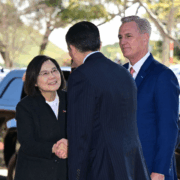
Taiwan is looking forward to further semiconductor investment in Arizona to strengthen economic and strategic ties with the United States, President Lai Ching-te said during a meeting with U.S. Senator Ruben Gallego. Lai highlighted the growing role of Taiwanese firms, led by TSMC, in boosting U.S. chip manufacturing capacity.

TSMC is investing $165 billion in the Phoenix area to build advanced fabrication plants producing chips used in artificial intelligence, marking one of the largest foreign investments in U.S. manufacturing. Lai said Taiwan hopes to see additional manufacturing, research and development facilities established in Arizona, further reinforcing bilateral cooperation.

The comments come shortly after Taiwan and the United States agreed to cut U.S. tariffs on Taiwanese exports to 15% from 20%. Under the deal, Taiwanese companies will invest $250 billion in U.S. semiconductors, energy and AI, alongside $250 billion in credit guarantees to support future projects.

Senator Gallego said Arizona had become a hub for Taiwanese investment and expressed optimism that the partnership would continue to expand.