Iraq-UAE Plan $700M AI Data Cable Route

An Iraqi-UAE consortium is preparing a $700 million data cable project linking the United Arab Emirates to Turkey through Iraq, aiming to strengthen regional connectivity as demand for AI infrastructure accelerates.

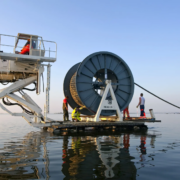
The project, known as WorldLink, will combine a subsea cable from the UAE to Iraq’s Faw peninsula with a land route running north to the Turkish border. It is being backed by Tech 964, DIL Technologies and UAE-based Breeze Investments.

Planned as a privately funded five-year rollout, the system is designed to ease congestion on existing data routes and provide a faster alternative to traditional connections passing through the Suez Canal.

The initiative reflects intensifying regional competition to become digital and AI infrastructure hubs, with Gulf states investing heavily in data centers and connectivity.

WorldLink follows closely on the announcement of a Saudi-backed fibre-optic network in Syria, part of a broader push to position the region as a strategic data bridge between Asia and Europe.


Musk’s X Back Online After Brief US, UK Outage

Elon Musk’s social media platform X returned to normal operations after experiencing a brief outage that affected users in both the United States and the United Kingdom.

According to outage tracking service Downdetector, reports of disruptions in the U.S. peaked at nearly 40,000 before dropping significantly to around 730 by late morning. In the UK, more than 11,000 users reported issues at the height of the disruption.

The figures are based on user-submitted reports, meaning the total number of affected users may have varied.

X did not immediately comment on the cause of the outage.

The disruption comes amid ongoing structural changes within Musk’s business ecosystem. Earlier moves included folding X into his artificial intelligence venture xAI through a share swap, followed more recently by SpaceX acquiring the AI startup.

Germany Considers Social Media Ban for Under-14s

Germany is moving closer to restricting children’s access to social media, as lawmakers from the centre-left Social Democratic Party joined their conservative coalition partners in proposing new limits.

The proposal calls for a formal ban on social media use for children under the age of 14. For teenagers aged 14 to 16, the plan suggests creating special youth versions of platforms that would exclude features such as algorithm-driven feeds, personalised content, autoplay and endless scrolling.

Supporters argue the move is necessary to protect young users from harmful online content including hate speech and violent material.

The initiative follows a similar push from conservative lawmakers, who are advocating for a broader ban for under-16s. With backing from both major coalition parties, the chances of new regulations being introduced have increased.

However, implementing nationwide rules could prove complex. Under Germany’s federal system, media regulation falls under the authority of individual states, meaning regional governments must coordinate to establish unified standards.

Germany joins a growing number of countries considering tighter controls on youth access to social media following similar measures adopted in Australia.