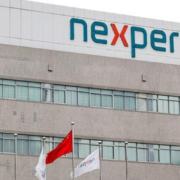
Nexperia Secures $60M Loan to Boost Chip Output

Dutch state-backed finance institution Invest International will provide semiconductor manufacturer Nexperia with a $60 million loan to support investments across its global production facilities.

The funding aims to expand output capacity, modernize manufacturing lines and improve operational efficiency.

Nexperia, based in the Netherlands and owned by China’s Wingtech, has been at the center of a geopolitical corporate dispute after Dutch authorities intervened last year by installing a European management team. The move caused tensions between Europe and China and disrupted global supply chains for basic automotive chips.

The new financing is expected to strengthen Nexperia’s production capabilities while preserving its internal resources for ongoing activities.

Separately, a Dutch court recently ordered an investigation into alleged mismanagement at the company but allowed the current European leadership to remain in place.

Starboard Targets Tripadvisor Board Shake-Up

Activist investor Starboard Value is preparing to seek a major restructuring of Tripadvisor’s board, aiming to nominate a majority slate of directors to the company’s eight-member leadership team.

Starboard, which has built a stake of over 9% in the travel platform, is expected to outline its plans in a formal letter to the board. The move follows mounting pressure on Tripadvisor’s management after its shares dropped nearly 46% over the past year, recently hitting a record low.

The hedge fund has previously encouraged the company to consider selling TheFork, its restaurant booking business, as part of broader strategic changes.

The potential board overhaul signals rising investor frustration over performance and governance as Tripadvisor grapples with declining market confidence.

Grok Faces Global Deepfake Crackdown

Elon Musk’s AI chatbot Grok is under growing scrutiny worldwide as governments move to curb the spread of sexually explicit deepfake content generated through the platform.

Authorities across Europe, Asia, the Americas and Oceania have launched investigations, imposed restrictions or demanded safeguards amid concerns over privacy violations and risks to minors.

European regulators are examining whether Grok breached digital safety rules, while countries such as Spain, India and Japan are probing the creation and sharing of harmful AI-generated images.

Some governments have taken stronger steps. Indonesia blocked access to Grok over child-safety concerns, while Brazil has given xAI 30 days to implement protections against fake sexualised content.

In response, xAI has introduced limits on image generation tools and restricted certain features based on local laws.

The case highlights growing global pressure on AI developers to strengthen safeguards against misuse of generative technologies.