
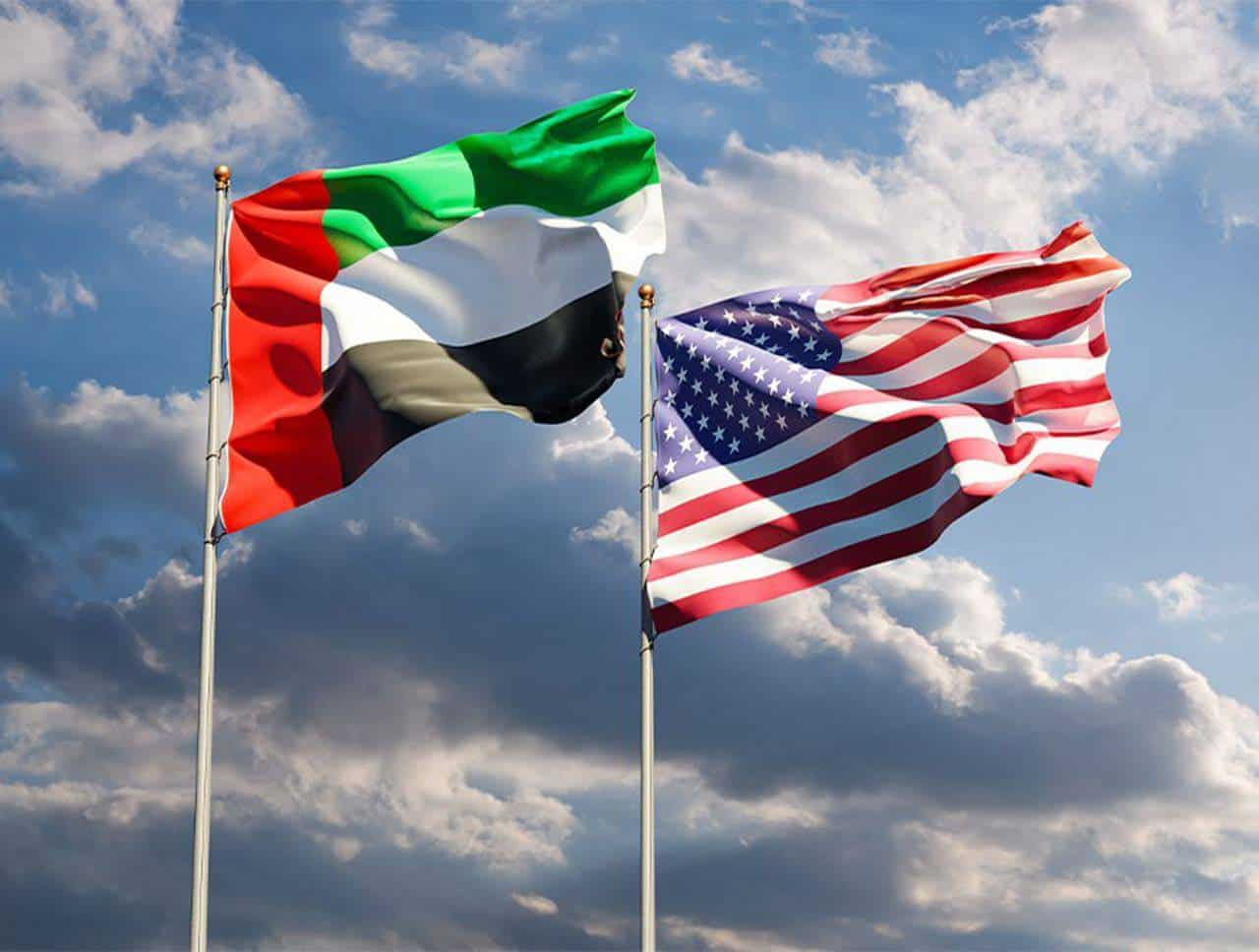
The United States and United Arab Emirates have finalized a technology framework agreement, expected to be signed Thursday during President Donald Trump’s final stop on his Gulf tour, according to a source familiar with the matter. The deal emphasizes mutual commitments to technology security, a key concern amid growing geopolitical tensions and the global AI arms race.
Strategic Significance:
The agreement is seen as a major diplomatic and technological milestone for the UAE, which aims to position itself as a global leader in artificial intelligence and digital innovation. For Washington, the deal strengthens control over the flow of advanced U.S. technologies, particularly AI chips, to friendly nations while keeping them out of adversarial hands like China’s.
AI Chip Context:
-
The tech pact closely follows reports that the U.S. and UAE are nearing a separate agreement allowing the UAE to import 500,000 of Nvidia’s most advanced AI chips annually starting in 2025.
-
The chips, likely from Nvidia’s Blackwell or forthcoming Rubin series, would significantly boost the UAE’s AI data center infrastructure, including projects linked to UAE-based firm G42.
-
The import deal would include provisions requiring reciprocal infrastructure investment in the U.S., reinforcing bilateral cooperation.
Broader Implications:
The finalized framework reinforces the U.S. strategy of deepening tech ties with Gulf allies while maintaining tight export controls to prevent sensitive technologies from reaching China. It also enhances the UAE’s reputation as a trusted AI development hub, backed by Western partnerships.
Neither the White House, the U.S. Commerce Department, nor the UAE or Chinese foreign ministries responded to requests for comment.
This agreement could accelerate the UAE’s emergence as a third global center for AI innovation, alongside the U.S. and China, reshaping the landscape of AI development and governance in the years to come.