Musk vs. Modi: Inside the Battle Over India’s Expanding Internet Censorship
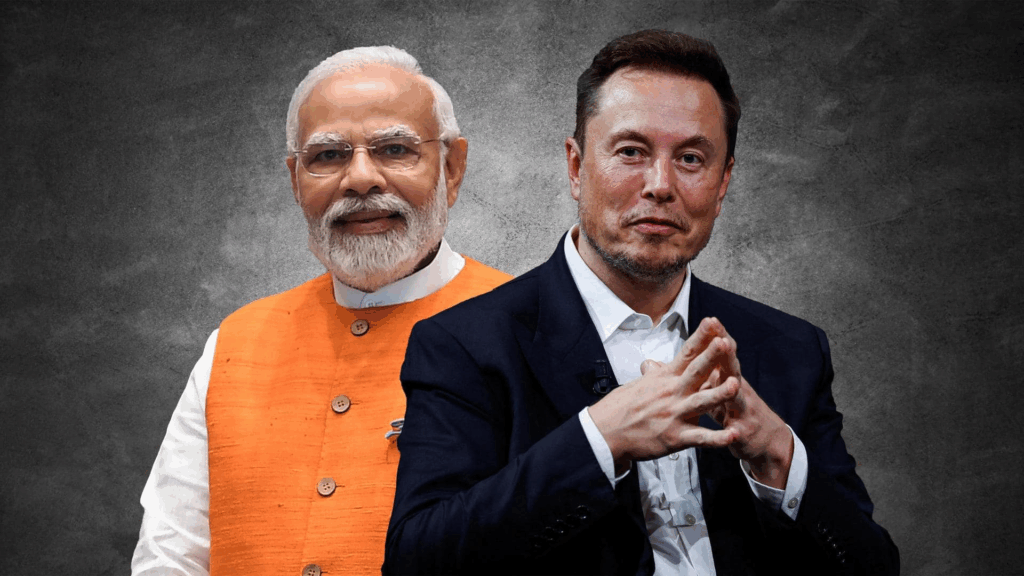
Since 2023, India under Prime Minister Narendra Modi has significantly tightened its internet censorship, empowering hundreds of officials and thousands of police officers to submit direct takedown orders to social media platforms via a government portal called Sahyog. This has sparked a high-stakes legal battle between Elon Musk’s social media platform X (formerly Twitter) and the Indian government, challenging the constitutionality of these sweeping censorship measures.
X alleges the crackdown suppresses free speech by enabling arbitrary removal of posts critical of public officials, satire, or politically sensitive content, while Indian authorities argue the moves are necessary to combat unlawful content and maintain public order. The government points out that major tech firms like Meta and Google support its approach, though both declined to comment on this specific dispute.
Court documents and police interviews reviewed by Reuters reveal a system where thousands of takedown requests have targeted a broad range of content, from misinformation and communal tensions to political cartoons mocking Modi and regional leaders, and even news coverage of a deadly stampede at New Delhi’s largest railway station. Many posts remain online, highlighting friction over what content crosses the line.
The case has also spotlighted the controversial Sahyog website, which X calls a “censorship portal,” refusing to participate and filing suit against the government. The platform’s challenge in the Karnataka High Court centers on whether the government can delegate broad censorship powers to multiple agencies without transparent, judicial oversight.
Despite the legal conflict, Musk and Modi maintain a publicly amicable relationship, with Musk praising India’s potential and planning to expand Tesla and Starlink operations there. However, behind the scenes, Indian police officers have criticized X for failing to act on cultural sensitivities and takedown requests, with some content considered offensive or taboo in the Indian context.
This clash highlights the global tension between free speech ideals and governments’ desire to control online content, intensified in India—the world’s largest internet market—where digital censorship has grown rapidly under Modi’s administration.