Nvidia Unveils “Rubin CPX” AI Chips for Video and Software Generation
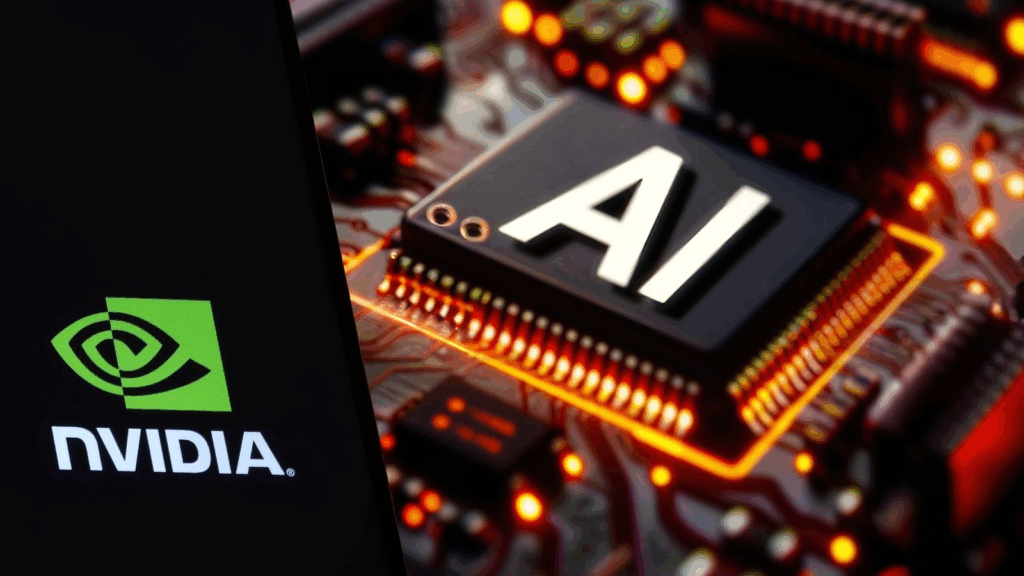
Nvidia (NVDA.O) announced plans to launch a new AI chip, dubbed Rubin CPX, by the end of next year, targeting highly complex workloads such as video generation and AI-assisted software coding. The chip will be built on Nvidia’s upcoming Rubin architecture, the successor to its current Blackwell technology.
Why It Matters
-
AI systems are rapidly evolving, with tasks like video generation and “vibe coding” (AI-assisted software creation) pushing hardware to new limits.
-
Processing one hour of video can require up to 1 million tokens, a massive challenge for current GPUs.
-
Rubin CPX will integrate video decoding, encoding, and inference into a single system, making processing faster and more efficient.
Economic Angle
-
Nvidia estimates a $100 million investment in Rubin CPX systems could generate $5 billion in token revenue.
-
Wall Street is closely watching the ability of AI hardware firms to turn capital spending into measurable returns.
Market Impact
-
Nvidia already dominates the AI chip market, with its high-end processors fueling the latest wave of generative AI.
-
The company’s move reflects both its defensive strategy against rivals and its offensive push to expand AI capabilities beyond text and images into full-scale video and software generation.
The Bigger Picture
-
Nvidia’s rise has made it the world’s most valuable company, but competition in AI infrastructure is intensifying.
-
With Rubin CPX, Nvidia is betting that integrated, video-ready AI chips will anchor the next phase of AI growth — and cement its lead in the sector.