
Close Menu
  • Home
  • Technology
  • Devices
  • Business
  • Science
  • Gadgets
  • Startups
Ayaksız
  • Home
  • Technology

    Lucid and Bolt Plan 25,000 Robotaxis for Europe

    Eylül 18, 2026

    AMD Gives PC Builders More Choice With New Ryzen 5 Desktop Chips

    Eylül 11, 2026

    Apple Expands Device Protection With a $49.99 Family Plan

    Eylül 11, 2026

    Snapdragon 8 Elite Extreme Gen 6 Reportedly Beats MediaTek’s Next Flagship Chipset

    Eylül 11, 2026

    Pinterest CFO Julia Donnelly to Step Down in October

    Ağustos 30, 2026
  • Devices

    Projector Setup: Separate Placement, Lens Shift, Zoom, and Keystone

    Kasım 18, 2026

    Router Mode or Access Point Mode? Give Each Network Device a Clear Job

    Kasım 18, 2026

    Scanner Feeder or Glass? Choose According to the Original

    Kasım 13, 2026

    Borderless Printing: Why the Edges of Your Photo Can Disappear

    Kasım 12, 2026

    Camera AE Lock: Recompose a Scene Without Letting Exposure Drift

    Kasım 11, 2026
  • Business

    Google Pixel 11 Pro Leaked Renders Indicate It Might Sport Thinner Bezels Than the Pixel 10 Pro

    Mart 30, 2026

    Motorola Edge 70 Debuts With Snapdragon 7 Gen 4, Ultra-Slim 5.99mm Body

    Kasım 5, 2025

    Samsung Galaxy S26 Series Could See Price Increase Amid Rising Component Costs: Report

    Kasım 4, 2025

    Amazon’s AWS Partners with NBA to Power New AI Basketball Platform

    Ekim 4, 2025

    Billionaire-Backed Bitcoin Firm OranjeBTC to List on Brazil’s B3 Exchange

    Ekim 4, 2025
  • Science

    Double Rainbows: Why the Outer Arc Reverses Its Colors

    Kasım 18, 2026

    Why Ice Floats—and Why Water Behaves Differently Near Freezing

    Kasım 13, 2026

    Air Pressure and Altitude: Why Two Weather Readings May Not Be Comparable

    Kasım 12, 2026

    A Light-Year Measures Distance: Understanding the Scale Behind Space Headlines

    Kasım 11, 2026

    Why the Sky Is Blue—and Why the Same Atmosphere Produces Red Sunsets

    Kasım 10, 2026
  • Gadgets

    Tripod Center Columns: Extra Height Comes with a Stability Tradeoff

    Kasım 18, 2026

    E Ink Ghosting: Match the Refresh Mode to the Task

    Kasım 13, 2026

    Camera Lens Hoods: Choose the Right Shape and Check the Whole Frame

    Kasım 12, 2026

    Pop Filters and Windscreens: Match Microphone Protection to the Noise

    Kasım 12, 2026

    USB Hub Power: Check Where Your Connected Devices Get Their Energy

    Kasım 11, 2026
  • Startups

    Cache-Control for Startups: No-Cache and No-Store Solve Different Problems

    Kasım 18, 2026

    Dead-Letter Queues: Investigate Before Replaying Failed Messages

    Kasım 13, 2026

    Database Connection Pools: Budget Across Every Application Replica

    Kasım 13, 2026

    Startup Staging Sites: Separate Search Visibility from Access Control

    Kasım 12, 2026

    API Idempotency Keys: Keep a Retry Connected to the Original Operation

    Kasım 11, 2026
Ayaksız
Anasayfa » Blog » Nvidia Unveils New Robotics, Gaming Chips, and Toyota Deal at CES 2025
Tech

Nvidia Unveils New Robotics, Gaming Chips, and Toyota Deal at CES 2025

By ayaksızOcak 18, 2025Yorum yapılmamış3 Mins Read
Facebook Twitter Pinterest LinkedIn Tumblr Email
Share
Facebook Twitter LinkedIn Pinterest Email

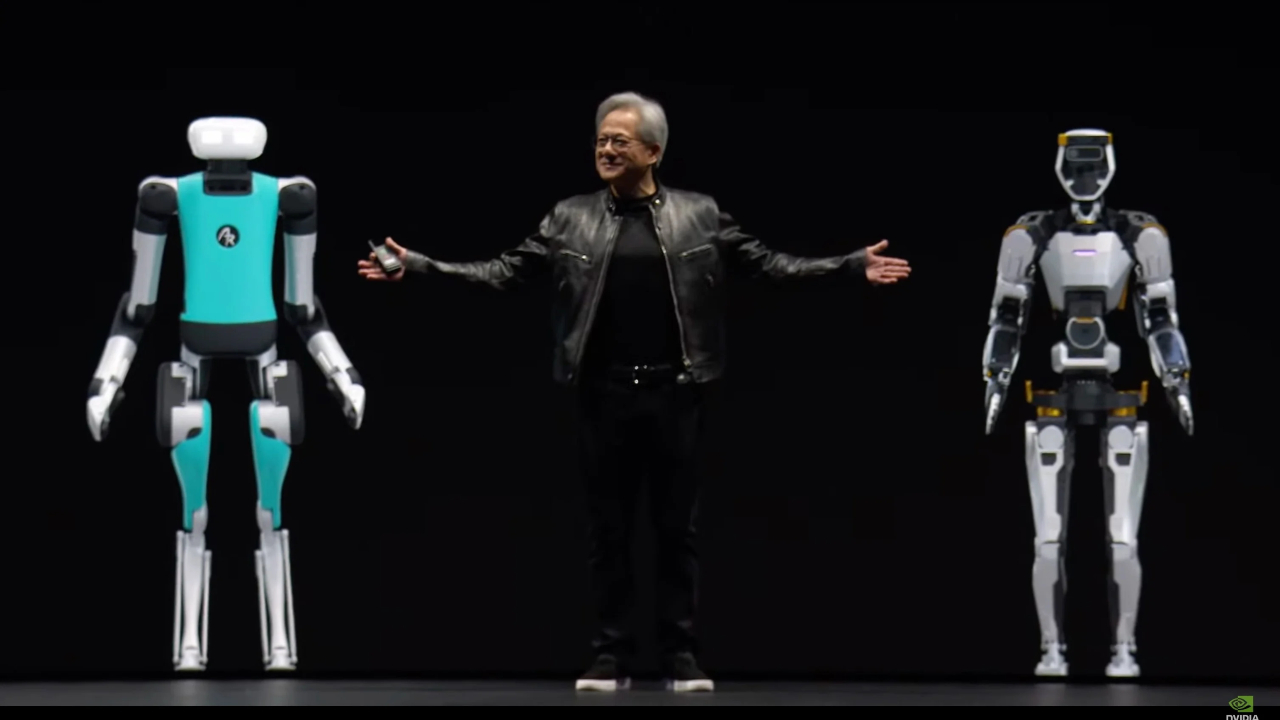
At CES 2025, Nvidia CEO Jensen Huang revealed several groundbreaking products, showcasing the company’s ambitions to expand its business across robotics, gaming, and automotive technology. The announcements highlighted innovations in AI, gaming chips, and collaborations, including a new deal with Toyota.

One of the key highlights was the introduction of Nvidia’s Cosmos foundation models, which use artificial intelligence to generate photo-realistic video for robot and self-driving car training. By creating “synthetic” training data, these models simulate physical environments much more affordably than traditional data collection methods. Unlike the typical approach of placing cars on the road or having humans demonstrate tasks, Cosmos can generate videos based on a text description, adhering to the laws of physics. The models will be made available on an “open license,” much like Meta Platforms’ Llama 3 language models, which have seen widespread use in the tech industry. Huang expressed hopes that Cosmos could revolutionize robotics and industrial AI similarly to the impact Llama 3 has had on enterprise AI.

Despite the excitement, analysts, including Vivek Arya from Bank of America, raised concerns about whether the new robotics technology would substantially boost Nvidia’s sales. Arya questioned the challenge of making the products both reliable and affordable enough to create viable business models, similar to the niche opportunities of autonomous vehicles or the metaverse.

In addition to robotics, Nvidia unveiled new gaming chips, part of the RTX 50 series, that use Nvidia’s Blackwell AI technology. These chips aim to enhance gaming graphics, particularly through ‘shaders’ that add realistic imperfections to objects in video games, such as fingerprint smudges on surfaces. The new chips are also designed to improve the realism of human faces, which is a critical area of focus for developers. Prices for the chips range from $549 to $1,999, with the high-end models set to launch on January 30, followed by lower-tier models in February. Analysts, including Ben Bajarin of Creative Strategies, expect these chips to drive short-term sales growth for Nvidia.

Nvidia also debuted its first desktop computer, Project DIGITS, which is designed for software developers rather than regular consumers. Priced at $3,000, the computer runs on Nvidia’s Linux-based operating system and includes the same AI chip used in the company’s data center products. The desktop, which features a central processor co-designed with Taiwan’s MediaTek, is expected to help individual developers quickly test their AI systems. Project DIGITS will be available in March.

Additionally, Huang announced that Toyota Motor will integrate Nvidia’s Orin chips and automotive operating system into several of its models to power advanced driver assistance features. Although the company did not specify which models would feature the technology, the partnership signifies a growing presence in the automotive sector. Nvidia projects automotive hardware and software revenue will reach $5 billion by fiscal 2026, up from an expected $4 billion in the current year.

Nvidia’s stock surged to a record high of $149.43, increasing its market valuation to $3.66 trillion, making it the second-most valuable listed company in the world, behind Apple.

AI Technology Automotive Blackwell AI CES 2025 Cosmos foundation models gaming chips Nvidia Orin chips Project DIGITS robotics RTX 50 series synthetic data Toyota
Share. Facebook Twitter Pinterest LinkedIn Tumblr Email
ayaksız
  • Website

Related Posts

Lucid and Bolt Plan 25,000 Robotaxis for Europe

Eylül 18, 2026

AMD Gives PC Builders More Choice With New Ryzen 5 Desktop Chips

Eylül 11, 2026

Apple Expands Device Protection With a $49.99 Family Plan

Eylül 11, 2026
Add A Comment

Comments are closed.

Recent Posts
  • Projector Setup: Separate Placement, Lens Shift, Zoom, and Keystone
  • Cache-Control for Startups: No-Cache and No-Store Solve Different Problems
  • Tripod Center Columns: Extra Height Comes with a Stability Tradeoff
  • Double Rainbows: Why the Outer Arc Reverses Its Colors
  • Router Mode or Access Point Mode? Give Each Network Device a Clear Job
Tags
AI AI Chips AI Infrastructure Amazon Android Apple Artificial Intelligence Bitcoin ChatGPT China Cryptocurrency Cybersecurity data centers DeepSeek Donald Trump Electric Vehicles Elon Musk Ether Generative AI Google Huawei India Investment Iphone Meta Microsoft NASA National Security Nvidia OnePlus OpenAI Oppo Realme Samsung semiconductor industry Social media Sony SpaceX Technology Tesla Tether TikTok Vivo WhatsApp Xiaomi
Ayaksız
Instagram
© 2026 Ayaksız.

Type above and press Enter to search. Press Esc to cancel.