
Broadcom Targets 3D Chip Sales

Broadcom expects to sell at least one million advanced stacked chips by 2027, signaling a major step forward in its AI hardware strategy.

The company’s technology combines multiple silicon layers into a single integrated unit, improving performance and energy efficiency for high-demand computing tasks.

Early engineering samples are already being tested by partners, with broader production planned in the coming years. The design enables greater data flow between components, supporting increasingly complex AI workloads.

Broadcom’s approach also allows flexibility in manufacturing processes, helping customers tailor chip performance to specific needs.

The initiative is expected to open a substantial new revenue stream while strengthening the company’s position in the competitive AI semiconductor landscape.
Apple Seeks Lawsuit Dismissal

Apple has asked a U.S. court to dismiss a proposed shareholder lawsuit alleging misleading statements related to Siri’s artificial intelligence development and compliance with app marketplace rules.

The case claims that Apple overstated the readiness of certain AI features and misrepresented its adherence to a prior legal requirement involving payment options for developers.

Apple argued there is no evidence it knowingly misled investors regarding the timeline for integrating new capabilities into its voice assistant. The company noted that development delays are a common part of advancing complex technologies.

It also stated that its compliance procedures were not presented as flawless guarantees.

The lawsuit relates to stock performance during a period when the company faced broader market pressures and evolving regulatory expectations.

The proceedings continue to reflect the growing scrutiny surrounding technology development claims and platform governance.

Tesla Robotaxi Permits Lag

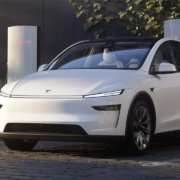
Tesla has continued to signal plans for launching a driverless robotaxi service in California, but regulatory filings show limited progress toward securing the necessary approvals.

State records indicate that the company has not conducted documented autonomous test driving on public roads in recent years. In California, such testing is a required step toward obtaining permits to operate fully driverless ride-hailing services.

Regulators require companies to meet testing benchmarks before advancing to commercial deployment. Tesla currently holds only an initial permit allowing supervised trials with a safety driver present.

The company has instead focused on limited pilot services in other regions with fewer regulatory hurdles.

Industry observers note that California remains a critical market for autonomous mobility ambitions due to its size and regulatory influence.

The situation highlights the gap between development goals and regulatory readiness as companies work toward deploying fully autonomous transportation systems.