Gisele Pelicot Condemns Men Accused of Her Mass Rape in French Trial

Gisele Pelicot Denounces ‘Cowardice’ of Accused Men in Shocking Court Testimony

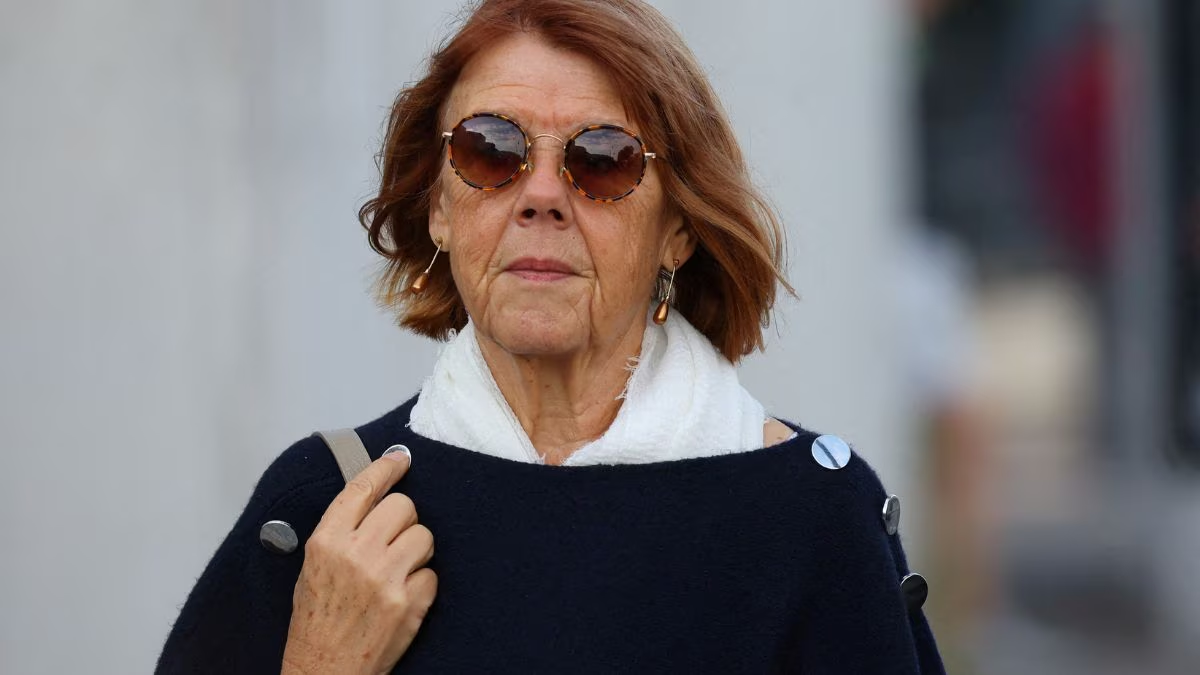
Gisele Pelicot delivered a powerful condemnation in a French court on Tuesday, calling out the cowardice of the men accused of participating in the years-long mass rape orchestrated by her husband, Dominique Pelicot. Speaking at the trial in Avignon, southern France, Gisele Pelicot described the case as a reflection of the cowardice of the men involved, who, she said, had abused her over a decade, often while she was unconscious.

Dominique Pelicot, 71, has confessed to drugging his wife and allowing other men to rape her while she was incapacitated. While many of the 50 other accused men have denied the charges, the trial has attracted widespread attention due to the shocking nature of the abuse.


Testimony Highlights the Scale of Abuse and Patriarchal System

This is the third time Gisele Pelicot has addressed the court, and her words have grown more forceful. She lambasted the social and cultural systems that allow such abuse to occur, calling for a fundamental shift in how society views rape and sexual violence. “For me, this is the trial of cowardice,” Pelicot declared, addressing both the accused men and the court.

The case centers around videos and photos that her husband filmed during the abuse, which were discovered by police. The footage shows Pelicot motionless and sometimes snoring while various men, some aged between 26 and 74, took turns raping her. In their defense, many of the accused men claimed they did not realize they were committing rape or blamed Dominique Pelicot for manipulating them into the act.


Gisele’s Call for Change and Public Trial

Despite the personal trauma, Gisele Pelicot insisted on keeping the trial public, aiming to help other victims feel empowered to come forward. “Rape is rape,” she firmly stated, emphasizing that when one enters a room to find a motionless body, there should be a moral obligation to act, either by stopping the abuse or immediately reporting it.

Pelicot’s public stance aims to challenge the deeply entrenched patriarchal and “macho” society that she believes enables such acts. “It is time for society to look at this macho, patriarchal society and change the way it looks at rape,” she told the court.


Family Impact and the Pelicot Children’s Statements

In a further emotional development, the Pelicots’ two sons addressed the court on Monday, urging severe punishment for their father, stating that they would never forgive him and that he was “dead to them.” The Pelicots’ daughter also shared her belief that her father had also abused her, adding another layer of horror to the case.

Dominique Pelicot is set to address the court later on Tuesday. His lawyer, Beatrice Navarro, acknowledged his actions but described him as “very dejected,” adding, “He will always be very alone.” However, Gisele Pelicot has made it clear that she will never forgive him for what he has done.
Germany Suspects Sabotage in Baltic Sea Telecoms Cable Damage

Germany Warns of Possible Sabotage After Damage to Undersea Cables

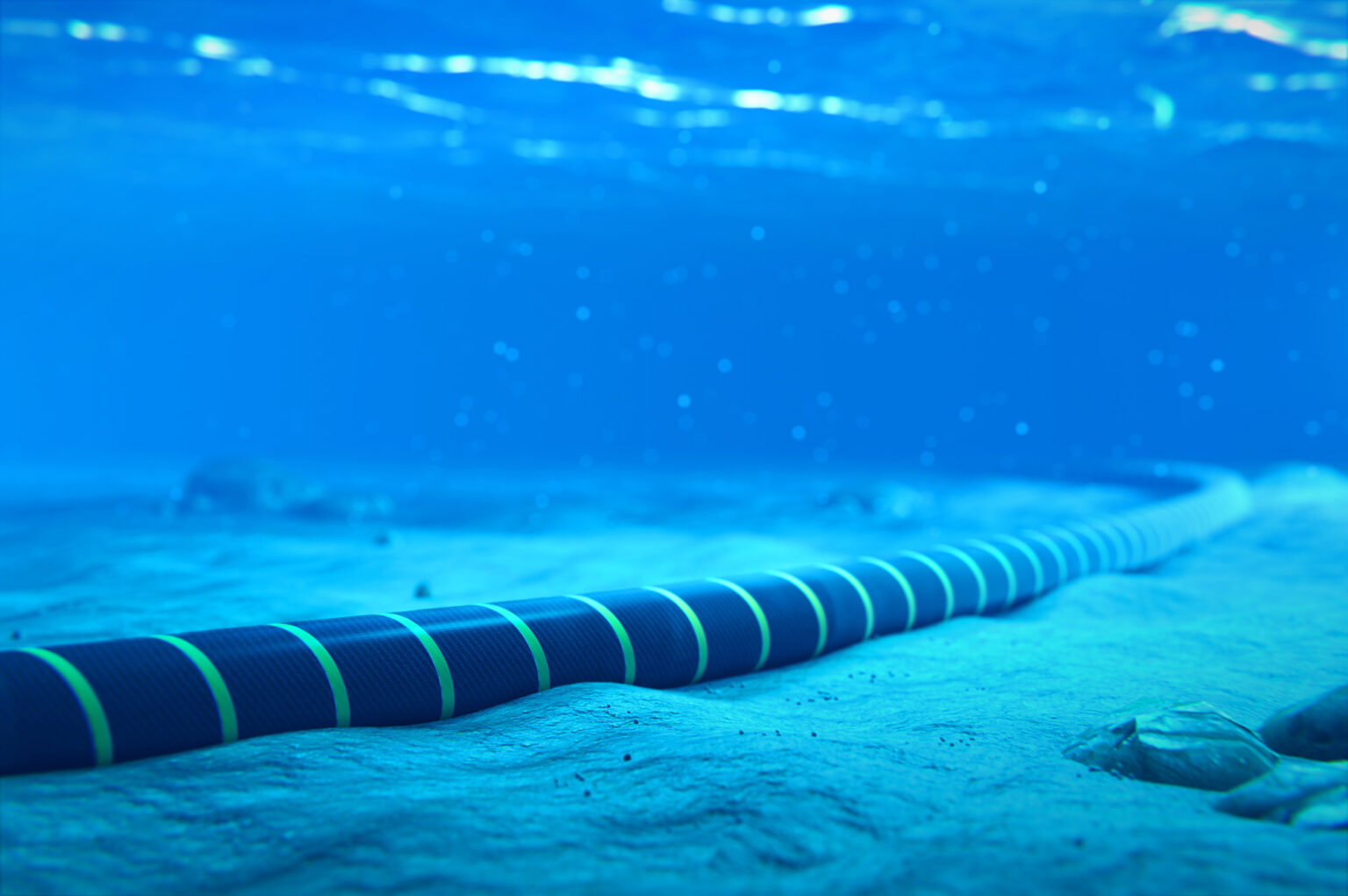
Germany has raised concerns that the recent damage to two underwater telecoms cables in the Baltic Sea could be the result of sabotage. Speaking at a meeting in Brussels, German Defence Minister Boris Pistorius stated that the damage, which occurred between Sunday and Monday, should be presumed to be a deliberate act, dismissing the possibility of accidental damage from ship anchors. The cables affected include one linking Finland and Germany and another connecting Sweden and Lithuania.

Pistorius emphasized that while it remains unclear who was responsible for the damage, the incident should be considered a “hybrid” action, suggesting the possibility of political or military involvement. He expressed skepticism about claims that the cables were damaged accidentally and underlined the need to investigate the situation thoroughly.


Heightened Surveillance and Investigation Underway

In response to the damage, Lithuania has increased its naval patrols in the Baltic Sea. The Lithuanian armed forces are working alongside regional NATO members to assess the situation, while the Lithuanian Prosecutor General’s Office has begun gathering information to decide if a formal investigation should be launched.

The Swedish Post and Telecom Authority is also coordinating with other relevant agencies to gather more details, though it declined to provide further comments on the situation. Both cable companies—Arelion, which operates the cable linking Lithuania and Sweden, and Cinia, which owns the Finland-Germany link—confirmed that the damage was significant, with Arelion calling it “full damage.”


Concerns of Espionage and Sabotage in the Region

The incident comes amid growing tensions in the region, following the war between Russia and Ukraine. Dutch Defence Minister Ruben Brekelmans pointed to increased Russian activity in the seas, suggesting it could be linked to espionage or sabotage aimed at critical infrastructure. This mirrors previous concerns about Russia’s possible involvement in damaging the Nord Stream gas pipelines in 2022, which remains unsolved.

Both Sweden and Germany are closely monitoring the situation, and while no direct evidence has pointed to a specific perpetrator, the damage to the cables raises further questions about the security of vital infrastructure in the region. The companies involved have stated that repairs could take up to 15 days, depending on the assessment of the damage.

Clashes in Tbilisi as Georgia Detains 16 Protesters Over Disputed Election Results

Protests Escalate in Georgia Amid Election Dispute

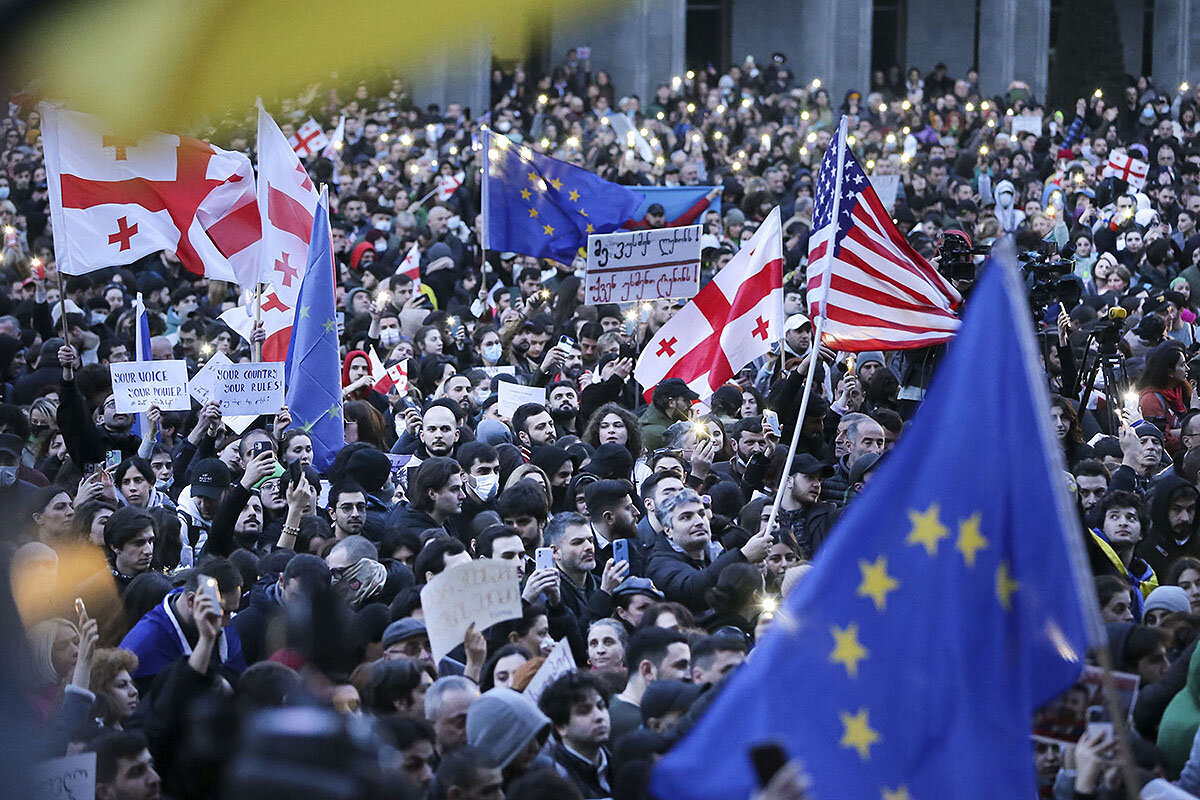
Police in Georgia’s capital, Tbilisi, detained 16 people on Tuesday following clashes with protesters who have been demonstrating against the results of last month’s parliamentary election. The opposition and President Salome Zourabichvili, a critic of the ruling party, allege that the October 26 election was rigged.

Video footage from the scene showed police forcibly removing protesters, with some being thrown to the ground and dragged along the pavement, while officers used pepper spray at close range. Georgia’s Interpress news agency reported that 16 individuals were detained, with three later released.


Ongoing Protests and Allegations of Fraud

The unrest follows several protests since the election, in which the ruling Georgian Dream party secured a fourth term in power. Opposition leaders have vowed to continue daily demonstrations to prevent the newly elected parliament from convening later this month. These protests are fueled by accusations that Georgian Dream, led by Prime Minister Irakli Garibashvili, is pro-Russian, undermining Georgia’s pro-Western aspirations.

Protesters, including members of the Coalition for Change, erected tents and blocked major streets in Tbilisi, where they remained for two nights before being dispersed by police on Tuesday. The interior ministry confirmed that protesters had illegally blocked traffic, but did not provide details on the detentions. Several opposition figures reported arrests, with some also suffering injuries. A cameraman from the opposition channel Mtavari Arkhi was also detained.


Election Controversy and International Reactions

The election commission officially confirmed Georgian Dream’s victory on Saturday, with the party securing 54% of the vote. However, opposition-backed U.S. pollsters have disputed the result, claiming the outcome is statistically implausible. The election’s legitimacy is being further questioned by international observers. The Organization for Security and Cooperation in Europe (OSCE) noted reports of ballot-stuffing, voter intimidation, and bribery but did not assert that the election was outright stolen.

The election was seen as a pivotal moment for Georgia, offering voters a choice between deeper integration with Europe under the opposition or closer ties with Russia under the Georgian Dream government. Critics of Georgian Dream warn that its increasing authoritarianism could derail Georgia’s aspirations to join the European Union.