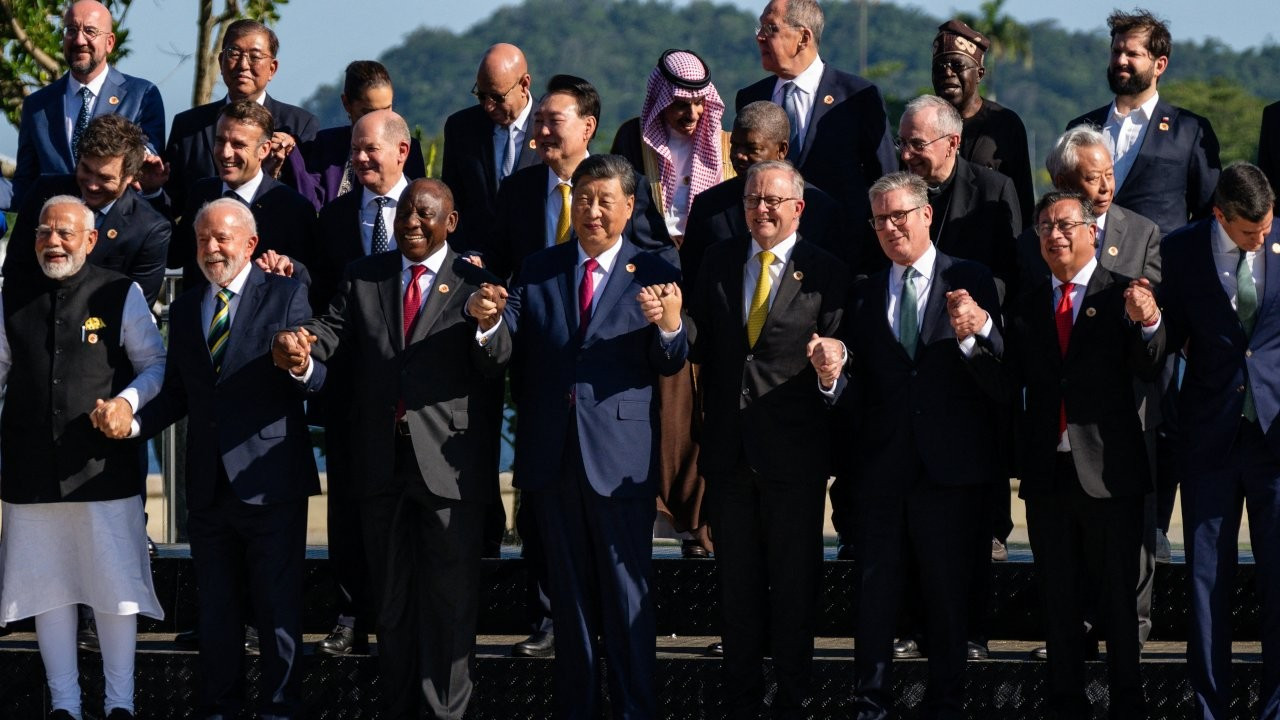
G20 Leaders Focus on Climate Change at Rio Summit’s Final Day

Climate Focus Dominates G20 Summit in Rio

On the final day of the G20 summit in Rio de Janeiro, world leaders turned their attention to the pressing issue of climate change, aiming to push forward a global response as they prepare for critical U.N. climate talks in Azerbaijan. The discussions centered on sustainable development and the transition to cleaner energy sources, with an emphasis on securing a successful deal at COP29.

The host of COP29, which is taking place in Baku, Azerbaijan, made an urgent call for G20 countries to send a strong signal about the need to address climate change. The plea was made as the U.N. talks faced difficulties, threatening to stall progress in the global fight against warming temperatures.

As the world is on track to experience its warmest year on record, leaders at the G20 summit are particularly focused on building momentum before the potential return of Donald Trump to the U.S. presidency in January. Trump has indicated that, if reelected, he would withdraw from the Paris Agreement on climate change and reverse U.S. policies aimed at mitigating global warming.


G20 Leaders Commit to Climate Finance and Address Global Disparities

A joint statement issued by the G20 leaders emphasized the need to “rapidly and substantially increase climate finance from billions to trillions from all sources” to fund climate mitigation and adaptation efforts. The leaders also stressed the importance of reaching a new financial goal to provide support to developing nations, particularly in light of the challenges posed by climate change.

Despite these commitments, the statement refrained from specifying what the financial targets should be at the U.N. summit. Economists suggest that the goal should be at least $1 trillion annually to effectively address the needs of vulnerable nations. While the G20 recognized the need to resolve this issue, the exact solution remains unclear.

Developed countries, including those in Europe, have called for a broader contributor base that includes wealthier developing nations such as China and Middle Eastern countries. In contrast, developing nations like Brazil, the host country of the G20 summit, have resisted expanding the financial responsibility beyond the historically responsible developed nations.


Environmental Impact and Plastic Pollution Agreement

At the opening of the summit, Brazilian President Luiz Inácio Lula da Silva stressed the urgency of addressing climate change, which has become increasingly evident worldwide. With the G20 countries responsible for more than three-quarters of global emissions, their role in shaping a unified response to climate change is seen as crucial.

In addition to climate finance, the G20 also committed to finalizing a legally binding treaty to combat plastic pollution by the end of 2024. This commitment aims to conclude over two years of negotiations and establish global regulations to reduce plastic waste, which is another significant environmental challenge.
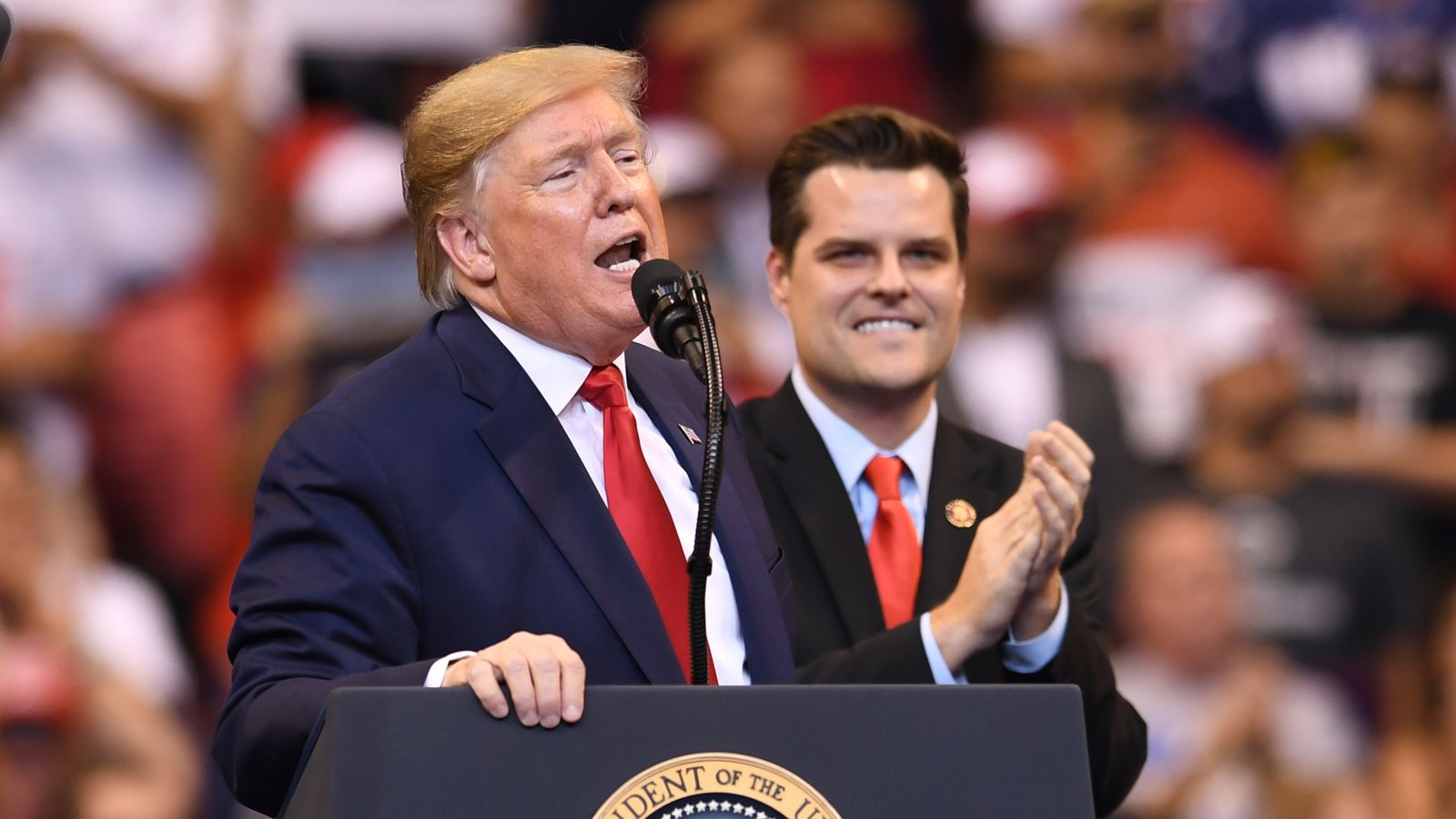

Trump Nominees Gaetz and Hegseth Ready to Shake Up Agencies

Trump’s Cabinet Picks: Gaetz and Hegseth Eye Major Reforms

President-elect Donald Trump’s cabinet picks for Attorney General and Pentagon chief—Matt Gaetz and Pete Hegseth—bring a combative attitude to their nominations, both motivated by grievances against the institutions they are set to lead. Gaetz, nominated for Attorney General, and Hegseth, tapped for Defense Secretary, have both faced significant personal and professional conflicts with the agencies they aim to transform.


Gaetz’s Rejection of DOJ and Hegseth’s Military Grievances

Matt Gaetz, 42, was nominated after resigning from his congressional seat. Gaetz, who faced a federal investigation into sex trafficking charges—though no charges were ultimately filed—has expressed disdain for the Justice Department. His stance includes a proposal to dismantle key federal agencies like the FBI and ATF, which he has described as “weaponized.” Gaetz’s commitment to restructuring the Department of Justice aligns with Trump’s broader mission of reforming the federal government.

Meanwhile, Pete Hegseth, 44, a former National Guard officer, has criticized the military leadership, particularly after being allegedly told to step down from guard duty during Biden’s inauguration due to concerns over his tattoos. Hegseth feels sidelined by the military, despite his decorated service. His views on military reform include opposing efforts to diversify the Armed Forces and barring women from combat roles. Hegseth’s military background and his grievances against the Pentagon are expected to influence his approach to the department.


Activism and Vindication: Gaetz and Hegseth’s Motivations

Both Gaetz and Hegseth have expressed a desire for significant reforms, driven in part by personal experiences of rejection and a belief that the institutions they would lead need to be overhauled. Their activism is seen as aligning with Trump’s promise to disrupt Washington and shake up the bureaucratic establishment.

“They are pledging a disruptive level of activism targeted directly at the departments they are being asked to oversee,” said David Jolly, a former Republican congressman. This disruption is a central tenet of Trump’s second term agenda, which includes purging what he sees as political adversaries and changing the status quo.


Confirmation Battle and Senate Relationship

The nominations of Gaetz and Hegseth may test Trump’s relationship with the newly elected Republican-majority Senate. Some senators may challenge the confirmation of nominees with controversial backgrounds, and Trump has hinted at using “recess appointments” to bypass the Senate if necessary.

“The threat level with Matt Gaetz is considerable,” said Columbia University criminal law professor Daniel Richman, citing concerns that Gaetz could use the Justice Department to target political enemies. Gaetz’s confirmation would likely signal a strong shift toward Trump’s revenge-driven agenda, with support from loyalists within the agency.

Hegseth’s Pentagon role could see him implementing purges of military leaders who disagree with Trump’s policies, particularly those involved in the 2021 withdrawal from Afghanistan. Trump’s transition team is already drawing up plans to overhaul Pentagon leadership and push for firings.

Russian Gas Flow to EU Stable Amid Dispute with OMV

Russian Gas to Europe Remains Stable Despite Dispute with OMV

Russian gas exports to Europe via Ukraine have remained steady, with Gazprom confirming it would send 42.4 million cubic meters of gas to the continent on Tuesday, the same volume as Monday. Despite recent tensions between Gazprom and Austria’s OMV, which led to a suspension of supplies to OMV on Saturday, gas flows to the wider European market have not been significantly disrupted.


Dispute with OMV and Impact on Austrian Gas Flow

The halt in supply to OMV came after the company threatened to seize some of Gazprom’s gas in compensation for a recent arbitration victory regarding a contractual dispute. Despite this, gas flows into Austria from Slovakia have increased by 6% compared to Monday, although they remain about 12% lower than before the suspension of supplies to OMV.

It remains unclear who is purchasing the gas that was originally allocated to OMV. Gas nominations to other regions, including the Czech Republic and Slovakia, have remained steady, with no major disruptions observed.


Continued Stability in Gas Flows

While the situation with OMV remains unresolved, the overall gas flow to Europe from Russia via Ukraine and Slovakia continues to function within normal parameters. Nominations for gas entering Slovakia from Ukraine and leaving Slovakia have shown little fluctuation, indicating that the broader European gas market is managing the ongoing dispute without major setbacks.