Beijing Promises Market Reforms and Support for Hong Kong Amid Global Uncertainty

Commitments to Open Markets and Boost Hong Kong

During the Global Financial Leaders’ Investment Summit in Hong Kong, Beijing pledged to continue opening its financial sector to foreign investors while supporting Hong Kong’s role as a global financial hub. The summit, attended by top Wall Street executives, underscored China’s commitment to market reforms amidst geopolitical tensions and domestic economic challenges.

“We will create an inclusive and favorable business environment for foreign investors,” stated Zhu Hexin, deputy governor of China’s central bank. He emphasized China’s willingness to welcome overseas investments as part of its economic development strategy.

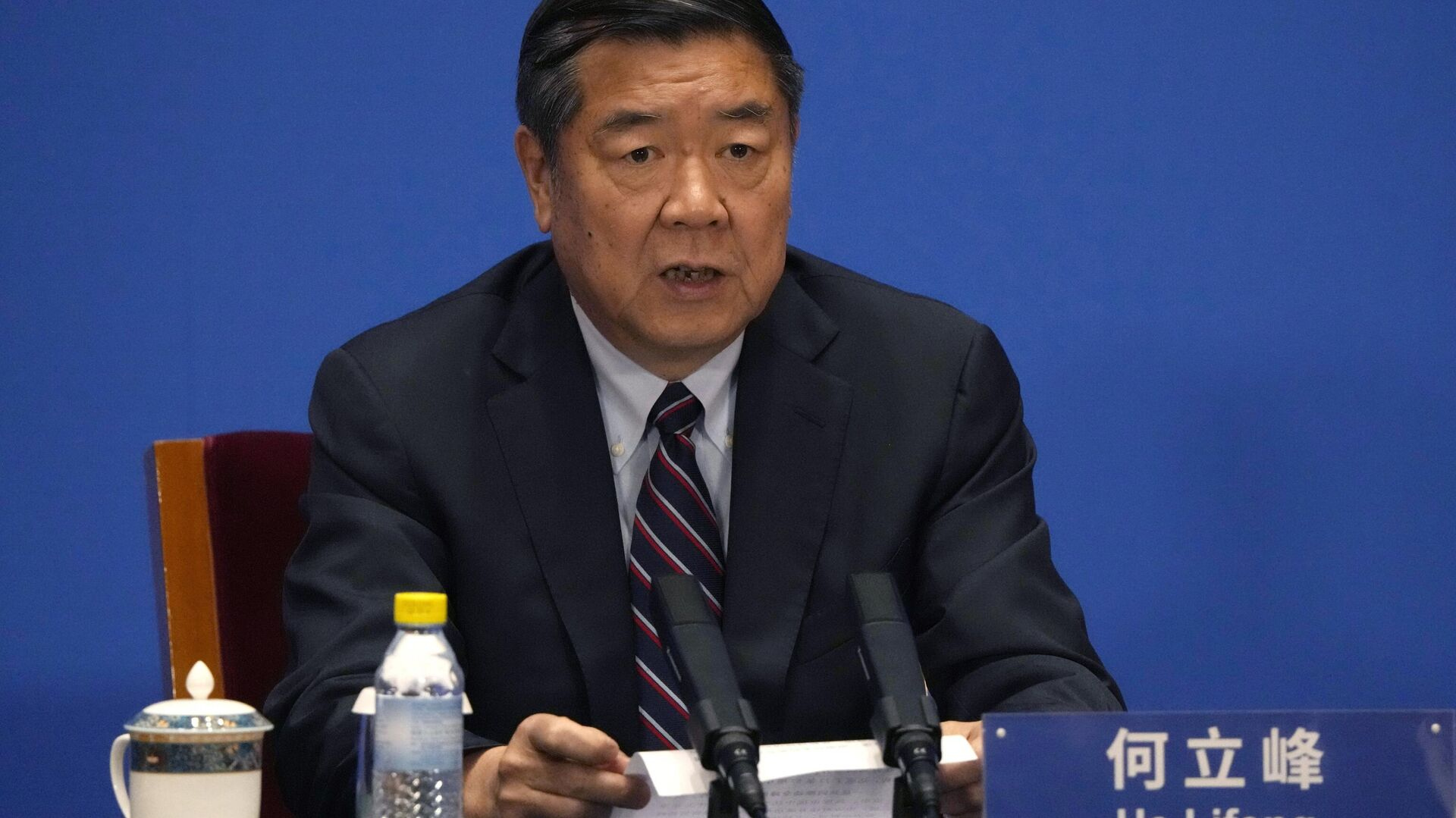
Wu Qing, Chairman of the China Securities Regulatory Commission, promised to reduce investment barriers, implement supportive measures, and deepen capital market reforms. Vice Premier He Lifeng also announced plans to increase Hong Kong’s global financial standing, including facilitating Chinese enterprises’ access to Hong Kong’s bond and equity markets.


Geopolitical and Economic Context

The summit occurred amidst increasing scrutiny of Hong Kong’s autonomy following the implementation of a national security law in 2020. Western governments have criticized the legislation, citing its impact on democratic freedoms, while Beijing maintains it was necessary for restoring order after 2019’s mass protests.

The timing of Beijing’s announcements coincided with Hong Kong’s High Court sentencing 45 pro-democracy activists in a landmark trial, which has drawn sharp criticism from the U.S. and other nations.


Challenges in Global and Domestic Markets

Hong Kong has experienced a decline in initial public offerings (IPOs), with only $9.1 billion worth of listings in 2024 compared to a peak of $51.6 billion in 2020. This downturn has led financial firms to cut jobs in the region. Despite this, international executives such as Citigroup’s Jane Fraser and Goldman Sachs’ David Solomon expressed optimism about potential deregulation in the U.S. fueling global corporate activity.

China’s domestic economy remains sluggish due to ongoing issues in the property sector and the lingering effects of pandemic-related disruptions. To combat this, Beijing recently introduced a 10 trillion yuan ($1.38 trillion) debt package aimed at stabilizing local government finances and boosting growth.

Morgan Stanley CEO Ted Pick highlighted early signs of recovery, stating, “Battling deflation takes time. The monetary and fiscal measures are starting to take effect, but results will not be immediate.”

However, concerns linger among global investors regarding capital mobility in China. Solomon remarked, “Messages about the ability to attract capital and ensure it can flow in and out of the country are crucial for global confidence.”


Hong Kong’s Strategic Role and Future Outlook

Beijing reaffirmed its support for Hong Kong by committing to bolster its financial market through regular issuance of treasury bonds and facilitating the expansion of Chinese financial institutions. Despite challenges, the summit underscored Hong Kong’s strategic importance to China’s broader economic ambitions.

As global financial leaders evaluate opportunities, the interplay between Beijing’s reforms, Hong Kong’s recovery, and the broader geopolitical environment will remain pivotal for shaping the region’s economic trajectory.
Investors Prepare for Potential Rate Hike in Japan Amid Yen Weakness

Hawkish Shift Anticipated at the Bank of Japan (BOJ)

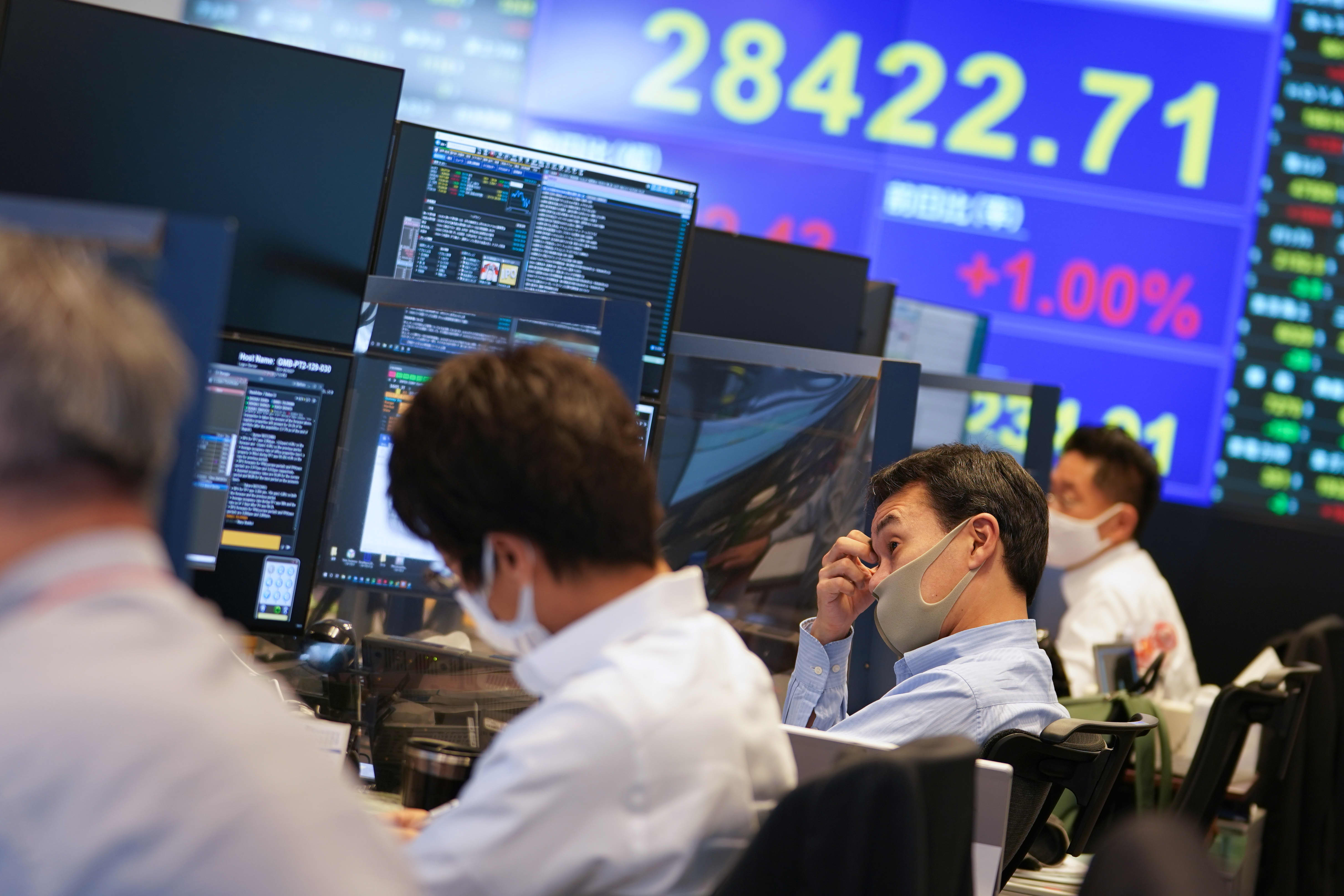
Investors are increasingly betting that the Bank of Japan (BOJ) will adopt a more hawkish stance in response to the yen’s continued depreciation. Market activity reflects these expectations, with investors shorting Japanese government bonds, buying bank stocks, and speculating on rate hikes as early as next month.

The yen’s current level of 154 to the dollar, close to figures that previously prompted intervention and a rate hike, has heightened market sensitivity. “There seems to be a lot more attention and sensitivity being paid around the BOJ,” noted Shinji Ogawa of J.P. Morgan in Tokyo.


Key Market Indicators and Movements

  1. Rate Hike Speculation: The probability of a 25-basis-point hike in December has risen significantly, from negligible to approximately 54% over the past weeks.
  2. Bank Shares Surge: Tokyo bank shares have gained roughly 13% in two weeks, outperforming the broader market. Banks stand to benefit directly from potential rate increases.
  3. Foreign Exchange Positioning: Hedge funds and speculators are building positions against the yen, anticipating further depreciation.

Impact on Japanese Equities

Investors are focusing on mid-cap and banking stocks, which could benefit from wage inflation and higher interest rates. Additionally, yen weakness may bolster large-cap exporters’ earnings, especially in cyclical sectors like machinery and industrials.

George Efstathopoulos of Fidelity International remarked, “More recently, we are also turning more constructive on broader Japan large caps, as yen weakness should translate into a better earnings picture.”


Yen’s Influence on Policy and Markets

The yen’s depreciation, exceeding 30% against the dollar since 2021, has significant implications for Japan’s inflation and monetary policy. BOJ Governor Kazuo Ueda made limited reference to the currency in a recent policy speech, but market participants believe the yen’s fall may pressure the BOJ into earlier action.

“In light of the recent performance of the Japanese yen, the BOJ might need to re-evaluate whether they need to be more hawkish,” said Nathan Swami of Citi.


Historical Context and Investor Caution

Memories of August’s market turbulence, when the yen’s sudden surge triggered the Nikkei’s sharpest one-day drop since 1987, loom large. Investors remain wary of similar volatility.

Foreign investors, however, may find opportunities if yen depreciation stabilizes. “Global investors have to worry about where this yen depreciation may stop,” noted Citi’s Keita Matsumoto, adding that stabilization could benefit dollar-denominated returns in Japanese equities.

Safe-Haven Assets Surge Amid Escalating US-Russia Tensions Over Ukraine

Market Turmoil Following Putin’s Nuclear Doctrine Update

Safe-haven assets, including government bonds and the Japanese yen, experienced a sharp rally on Tuesday after Russian President Vladimir Putin updated the country’s nuclear doctrine amidst intensifying tensions with the United States over Ukraine.

Putin stated that Russia might consider deploying nuclear weapons if subjected to a conventional missile attack supported by a nuclear-armed state. This announcement follows the U.S. decision to permit Ukraine to use American-made long-range missiles, known as ATACMS, for strikes deep into Russian territory.


Bond Yields Drop as Investors Seek Safety

Government bond yields fell as investors shifted toward safer options.

  • The U.S. 10-year Treasury yield dropped by 5 basis points to 4.3648%, hitting its lowest level in three weeks.
  • Germany’s 10-year bond yield fell 7 basis points to 2.303%.

Michael Weidner, co-head of global fixed income at Lazard Asset Management, noted, “The market’s movement appears to be driven by this morning’s news about changes to Russia’s nuclear doctrine.”


Japanese Yen and Swiss Franc Strengthen

The Japanese yen appreciated by 0.6% to 153.69 per dollar, bolstered not only by safe-haven demand but also by Japanese Finance Minister Katsunobu Kato’s remarks about addressing “excessive moves” in the yen’s exchange rate.

The Swiss franc also rose 0.4% against the euro, reflecting its status as a preferred haven in times of geopolitical uncertainty.


Gold Prices Rise, European and US Equities Slide

Gold gained 0.8%, trading at $2,634 per ounce, as investors sought stability amid the geopolitical tensions.

Conversely, equities suffered:

  • The STOXX 600 index fell 1% to a three-month low.
  • The eurozone equity volatility index spiked, reflecting heightened market anxiety.
  • U.S. stock futures for the S&P 500 dropped 0.5%, indicating bearish sentiment in American markets.

Ukraine Conflict Escalates

Market reactions were further fueled by reports from Ukrainian agency RBC Ukraine claiming Kyiv’s first attack within Russia using U.S.-supplied ATACMS missiles. This development heightened investor concerns over the potential for broader military escalation.

Ukraine’s sovereign dollar bonds lost nearly 2 cents in value, reflecting investor unease.


Broader Context and Political Developments

The tensions come as global investors await President-elect Donald Trump’s decision on his Treasury secretary pick, with candidates reportedly including Marc Rowan of Apollo Global Management and former Federal Reserve Governor Kevin Warsh.

The situation underscores the fragile state of international markets, with geopolitical risks driving significant shifts in asset allocations.