Jailing of 45 Hong Kong Democrats Sparks Global Criticism

Landmark Trial Delivers Long Sentences to Pro-Democracy Activists

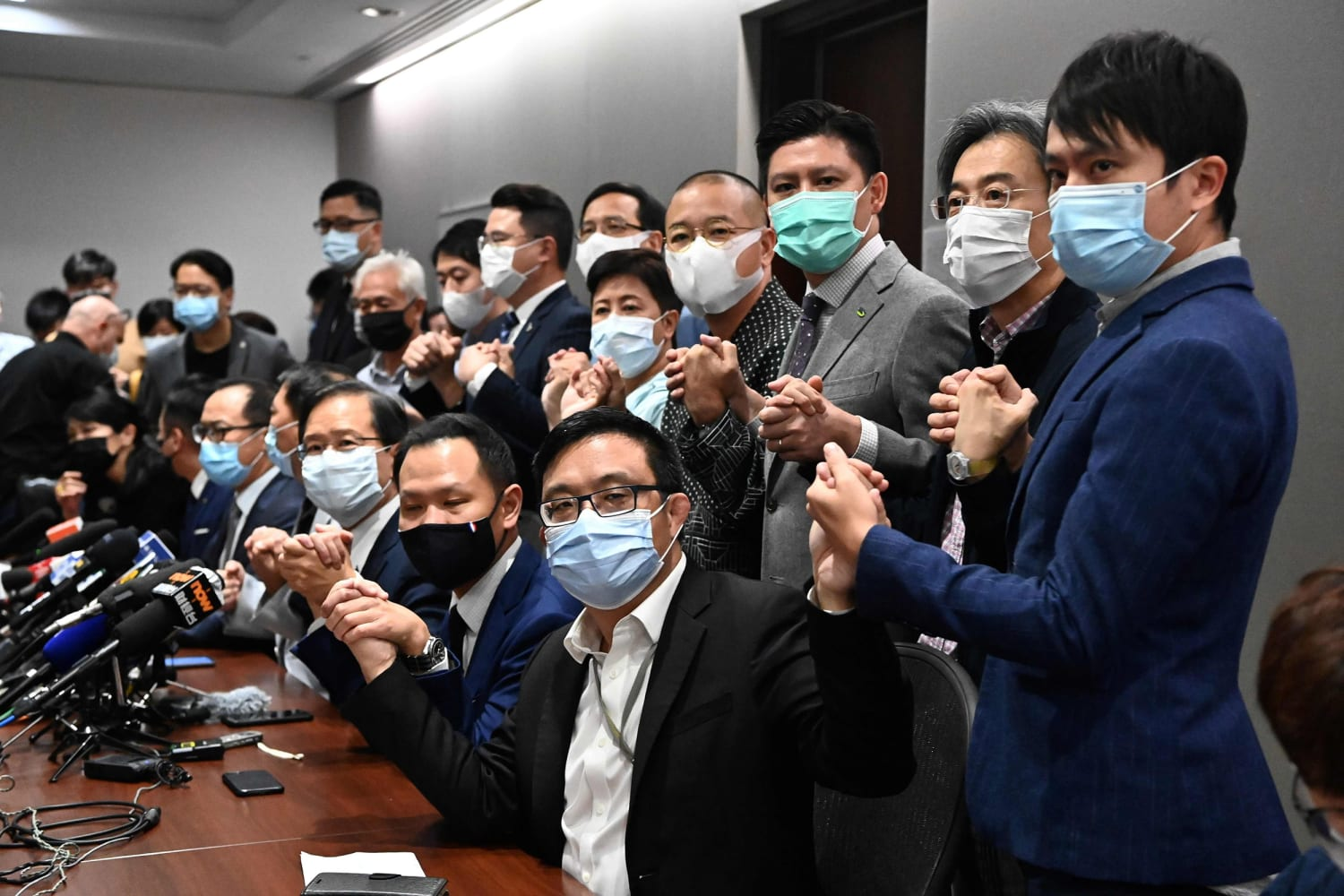
On Tuesday, Hong Kong’s High Court sentenced 45 pro-democracy activists to prison terms ranging from 4 to 10 years following a landmark trial under the Beijing-imposed National Security Law (NSL). The case, involving 47 activists charged with conspiracy to commit subversion, has drawn widespread condemnation from Western governments and international observers.

The charges stem from an unofficial 2020 “primary election” organized to select candidates for Hong Kong’s Legislative Council. Prosecutors alleged the activists planned to paralyze the government through disruptive actions if elected. Prominent legal scholar Benny Tai, described as the scheme’s “mastermind,” received the harshest penalty of 10 years, marking the longest sentence issued under the NSL since its enactment in 2020.


International and Local Backlash

The U.S. and Australia were among the governments voicing strong opposition to the sentences. U.S. officials criticized the trial as “politically motivated” and called for the activists’ release, emphasizing that their actions were peaceful and lawful expressions of political participation. Australia’s Foreign Minister Penny Wong echoed similar concerns, urging Beijing to halt its “suppression of freedoms” in Hong Kong.

China’s foreign ministry dismissed the criticisms, asserting that no one is exempt from legal consequences under the guise of democracy. “Beijing firmly supports Hong Kong’s efforts to safeguard national security,” said spokesperson Lin Jian.

Taiwan also condemned the sentences, stating that democracy and freedom are universal values and pledging continued solidarity with Hong Kong.


Trial Highlights and Sentencing Details

  • Convictions and Sentences: After a 118-day trial, 14 activists were convicted, while 31 others pled guilty, receiving sentences reduced by a third in acknowledgment of their pleas. Joshua Wong, a prominent activist, was sentenced to 4 years and 8 months, while Hendrick Lui received over 4 years.
  • Judicial Justification: Judges emphasized that the activists’ scheme, though potentially unsuccessful, posed significant risks to government stability. They cited the degree of planning and number of participants as aggravating factors.
  • Defendants’ Reactions: Gwyneth Ho, sentenced to 7 years, criticized the crackdown on democracy in a social media post. Outside the court, families and supporters expressed their dismay, with some maintaining the innocence of the activists.

Public and Diplomatic Responses

The trial has further polarized opinions on Hong Kong’s autonomy and freedoms. Hundreds of people queued outside the court in support of the defendants, highlighting the ongoing public concern for the erosion of rights.

The timing of the ruling coincided with an international financial summit in Hong Kong aimed at restoring confidence in its status as a global financial hub. Critics argue that the harsh sentences tarnish the city’s reputation and deepen skepticism about its autonomy.

U.S. President-elect Donald Trump’s nominee for Secretary of State, Marco Rubio, has been a vocal critic, describing the trial as a “comprehensive assault on Hong Kong’s autonomy and fundamental freedoms.”


Implications for Hong Kong

The ruling marks a significant milestone in Beijing’s enforcement of the NSL, signaling its determination to suppress dissent and reshape Hong Kong’s political landscape. While the government defends the law as essential for maintaining stability, critics view the sentences as a chilling message to the pro-democracy movement.

The broader international backlash may increase tensions between Beijing and Western nations while spotlighting the diminishing freedoms in what was once considered Asia’s most vibrant democracy.
Venezuela’s Currency Depreciation Risks Undoing Inflation Gains

Depreciation of the Bolivar Threatens Economic Stability

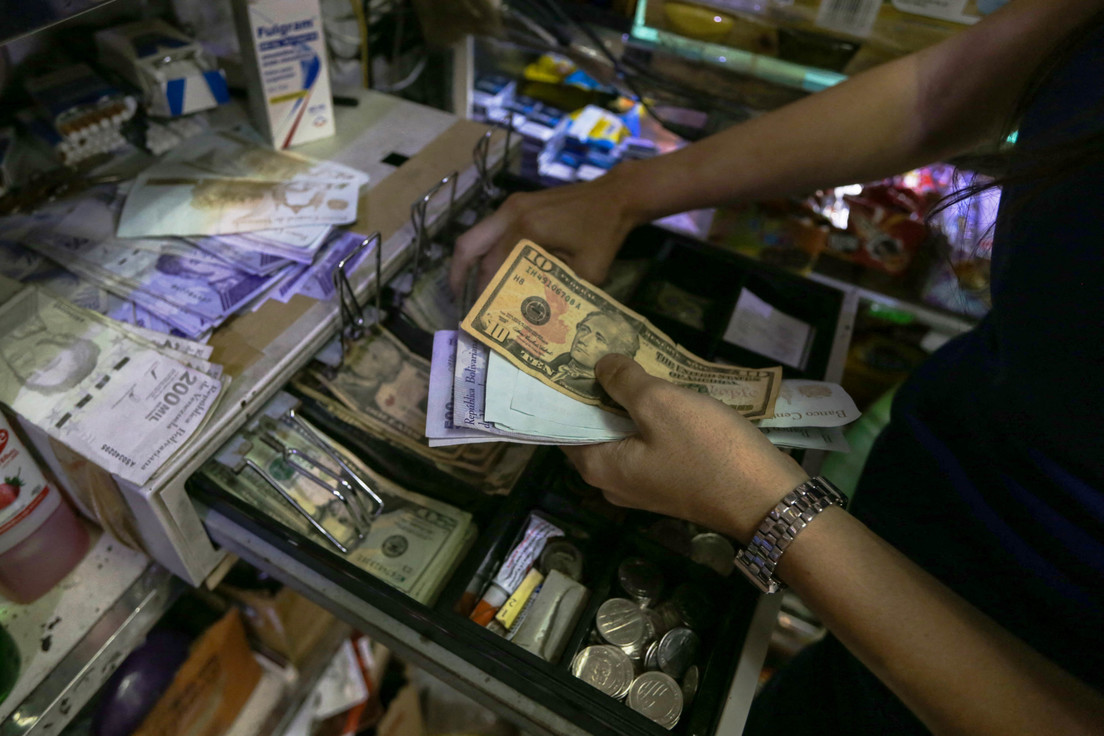
Venezuela’s recent currency depreciation is raising concerns that years of progress in reducing inflation could be undone. After a period of relative economic stability following the hyperinflation of previous years, Venezuela is facing rising prices once again, as the government’s decision to allow the bolivar to float has triggered depreciation, causing a ripple effect across the economy.

  • Government’s Shift in Policy: Under President Nicolás Maduro, Venezuela had made strides in taming inflation through a series of orthodox policies, including credit restrictions, public spending cuts, and the pegging of the bolivar to the dollar. This approach helped bring inflation from over 100,000% to more manageable levels. However, since mid-October, the government has allowed the bolivar to float freely, resulting in a depreciation from 36.5 bolivars to the dollar to about 45 bolivars.
  • Impacts on Inflation and the Private Sector: The sharp depreciation is contributing to a rise in inflation, with prices increasing by 12% over nine months. This shift in exchange rate policy is expected to push inflation even higher in the final quarter of 2024, with forecasts suggesting the rate could hit 35% to 40%, well above the government’s earlier projection of 30%.

The Strain of Exchange Rate Adjustments

Economists warn that the currency’s depreciation will place pressure on the already struggling Venezuelan economy, particularly affecting imports and local production. With the bolivar’s fall making imported goods more expensive, domestic industries are under strain. Venezuela’s economic system relies heavily on oil income, and the central bank’s reduced foreign currency sales are exacerbating the situation.

  • Impact of Reduced Foreign Currency Sales: The central bank had previously injected foreign currency into the market to stabilize the bolivar, but its sales have dropped significantly. In July, it sold around $800 million, but by October, this had fallen to just $400 million. This reduction has left businesses scrambling to secure dollars for imports, leading to increased inflationary pressures.
  • Private Sector Concerns: Venezuelan businesses are facing significant difficulties in acquiring foreign currency to import goods, and many are depleting their inventories in response. The government has allowed some sectors, like food and medicine, to use foreign currency for imports, but other businesses are restricted to using central bank promissory notes tied to the official exchange rate, which remains problematic.

Government’s Response and Future Outlook

Vice President Delcy Rodríguez recently highlighted the need for greater control over foreign exchange usage, warning against frivolous spending of foreign currency in a country under blockade. However, the government has remained largely silent on its broader strategy for addressing the ongoing depreciation.

  • Inflation and Economic Uncertainty: The government faces a critical challenge in balancing the need to stabilize the currency with the reality of limited foreign exchange reserves. While some economic experts believe the bolivar’s depreciation was necessary, the rising inflation threatens to undo the gains made over the past few years in controlling prices.
  • Long-Term Concerns: Venezuela’s economic future remains uncertain. While devaluation may have been necessary to address the overvalued currency, it could lead to a new wave of economic hardship for Venezuelans, particularly as many still live under the strain of high inflation and limited purchasing power.

Argentina Investors Bet on Milei’s Popularity as Economic Reforms Gain Traction

Investor Confidence Soars Despite Economic Struggles

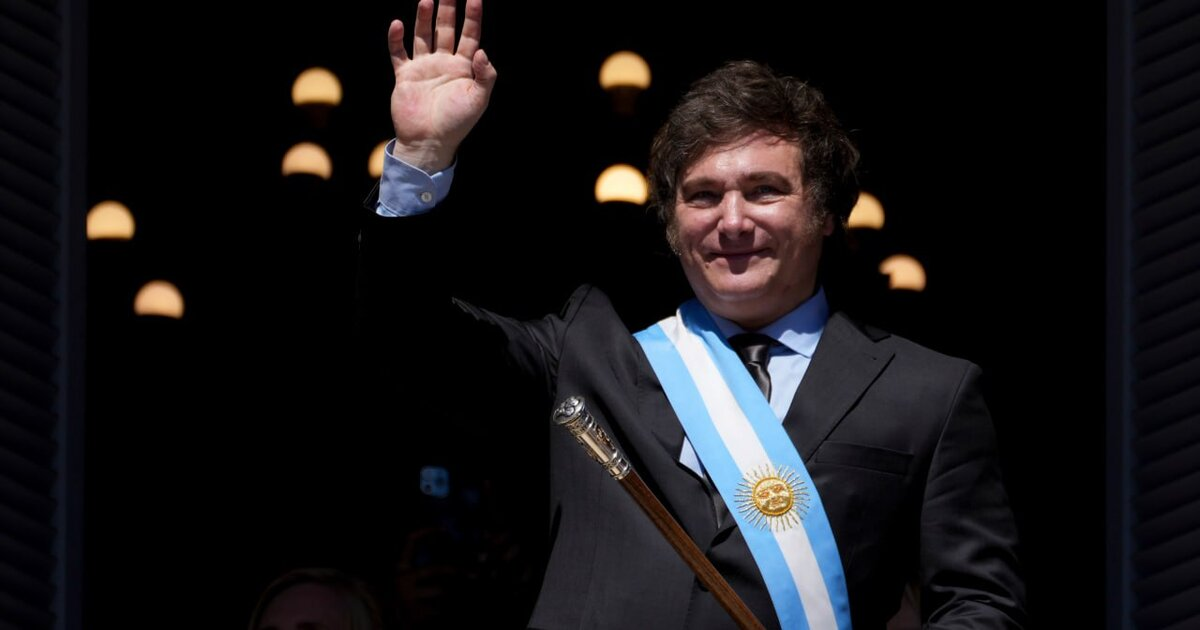
A year into his presidency, Javier Milei’s economic reforms are yielding dividends, with investors increasingly optimistic about Argentina’s financial future. Despite the country facing a deep recession, Milei’s promise to reshape the economy through austerity measures and cuts to government spending has seen his popularity hold steady, with his approval rating rebounding in recent surveys. Stocks and bonds have surged, with the local stock market up 125% and dollar bonds returning nearly 90% this year.

  • Key Reforms and Government Surplus: Milei’s approach, which includes halting money printing and cutting government expenditure, has resulted in Argentina’s tenth consecutive monthly fiscal surplus. His controversial tax amnesty, which brought $18 billion into local banks, has further bolstered investor confidence, leading to record highs in Argentina’s financial assets.
  • Public Backing and Challenges: Surprisingly, Milei’s austerity measures, including steep spending cuts, have found public support, with many Argentinians backing his economic direction despite the tough adjustments. However, inflation remains at triple digits, and the country’s currency, the peso, has weakened significantly this year, affecting the cost of living for many Argentinians. Over half of the population lives in poverty.

Investor Optimism Amid Economic Strain

Despite the ongoing recession and economic contraction of 3.5% this year, investors are optimistic that Milei’s economic policies could eventually steer Argentina toward stability. This contrasts with previous administrations, such as Mauricio Macri’s, which attracted investor interest only for the market to crash after inflation surged and the economy stalled.

  • Confidence in Milei’s Leadership: Investors like Thomas Haugaard from Janus Henderson are betting that Milei’s government is Argentina’s best shot at economic normalization. While skepticism remains, especially regarding job creation and mid-term electoral outcomes, the government’s efforts to curb inflation and manage the fiscal deficit are seen as positive signals.
  • Mid-Term Elections as a Crucial Test: Milei’s political success will be tested in Argentina’s mid-term elections in 2025, which will determine control of the Chamber of Deputies and a third of the Senate. These elections will be crucial in assessing whether Milei can maintain political momentum and continue enacting his economic agenda.

Geopolitical Alignments and IMF Negotiations

Milei’s recent meeting with U.S. President-elect Donald Trump has raised hopes that Argentina could receive support on key financial issues, particularly with the IMF. This alignment is expected to facilitate Argentina’s negotiations, especially as the country faces a massive increase in IMF payments starting in 2025.

  • Financial Support from the U.S.: The possibility of closer policy coordination between Argentina and the U.S. is expected to benefit Argentina’s international financing needs. With a $600 billion economy, Argentina’s growing financial obligations, especially towards the IMF, are seen as manageable with proper international support.
  • Investor Caution Amid Economic Volatility: While investors are increasingly confident, they remain cautious. Argentina’s volatile dynamics and massive financing requirements mean that while the country’s economic direction is promising, any missteps or unexpected shifts in policy could quickly alter investor sentiment.